

How to Clear Tree Debris Without Damaging Your Yard
Learn how to clear tree debris safely after storms or trimming, protect your Lafayette property, and know when professional help is the safer choice…
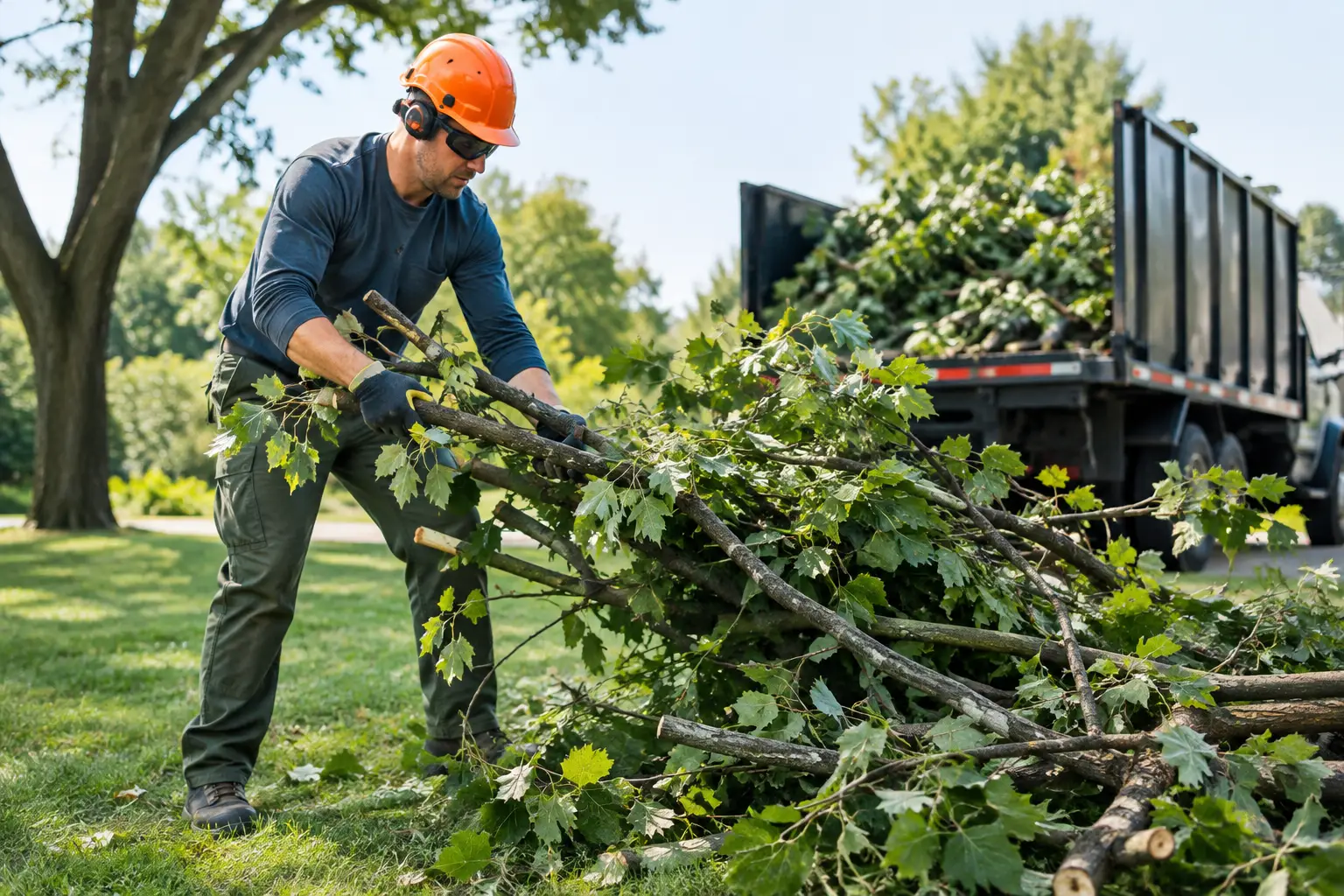
A fallen limb across the driveway, a canopy of branches scattered over the lawn, and a roofline covered in leaves can turn a normal yard into a safety concern quickly. If you are asking who clears tree debris, the right answer depends on where it landed, what caused it, and whether the debris is still connected to a damaged or unstable tree.
For most debris on private residential property, the homeowner is responsible for arranging cleanup. A professional tree care company is usually the safest choice when limbs are large, tangled near structures, suspended overhead, or mixed with a damaged tree that needs more than simple pickup. The goal is not just to make the yard look better. It is to remove hazards without causing new damage to your home, fence, driveway, landscape, or nearby utility areas.
After a storm in Lafayette or elsewhere in Acadiana, debris cleanup can involve more than one party. A homeowner can handle light material such as small twigs, loose leaves, and branches that can be moved without climbing, cutting, or lifting beyond their comfort level. Municipal crews may address debris affecting public streets, rights-of-way, or public drainage, depending on local collection schedules and storm response plans.
Utility providers handle lines, poles, and equipment on their systems. If a branch is touching or has pulled down a power line, keep everyone away from the area and contact the utility company or emergency services. Do not try to pull branches free, even if the line appears inactive. Trees and wet ground can conduct electricity, and damaged lines may be energized without visible sparks.
A tree service handles the work that falls between basic yard cleanup and utility response: cutting up heavy limbs, removing fallen trees, clearing branches from roofs or fences, chipping brush, hauling debris away, and assessing whether the remaining tree is safe. This is especially valuable after high winds, when a tree may look stable from the ground but have cracked limbs, torn roots, or a split trunk overhead.
Not every pile of branches needs professional equipment. If a branch is small, fully on the ground, far from utilities, and easy to move without strain, many homeowners can bag or stack it for collection. The decision changes when debris is heavy, elevated, or attached to a tree under tension.
Call a qualified tree crew when a limb is hanging over a driveway, roof, patio, play area, or sidewalk. The same applies when a fallen tree is resting on a structure, a fence, another tree, or a vehicle. Cutting wood under tension can cause the trunk or limb to shift suddenly. A saw may be the wrong tool if you do not know where the pressure is held or how the material will move once cut.
Professional cleanup also makes sense when the debris volume is too large for standard curbside pickup. A mature oak, pine, or pecan can produce a surprising amount of brush from one broken limb. Crews use chippers, chainsaws, rigging equipment, loaders, and hauling capacity to process material efficiently while keeping the work area organized.
There is also a property-protection reason to call for help. Dragging long limbs across turf can gouge lawns, damage irrigation heads, and scrape hardscapes. Dropping sections of wood without a controlled plan can crack pavers, damage pool equipment, or crush ornamental plants. Careful tree debris removal is as much about where material lands as it is about getting it off the property.
Homeowners should ask what a company means when it says it will clean up. Tree removal and debris clearing are sometimes quoted separately, particularly if a customer wants to keep firewood, mulch, or logs. A clear scope of work prevents the frustrating surprise of a clean-looking tree job but a yard still filled with brush and sawdust.
For a typical residential project, complete cleanup often includes cutting and removing branches, chipping brush, loading and hauling unwanted wood, raking loose debris from the work zone, and blowing hard surfaces such as driveways and patios. If a tree was removed, the crew may also discuss whether stump grinding is included or should be scheduled as a separate service.
Cleanup details can vary by site. Large logs may be left at the homeowner's request for firewood. Wood chips can be useful as mulch in some landscape beds, but they are not always appropriate near every plant or foundation area. A good crew will explain the options before work begins rather than leaving material behind without a plan.
Tree debris near a property line can create confusion, particularly after a storm. In many situations, each property owner is responsible for debris that falls onto their own side of the line, even when the tree grew on a neighbor's property. However, responsibility can change if the tree was known to be dead, diseased, or visibly hazardous before it failed.
Avoid escalating the situation by cutting or removing parts of a neighbor's tree without permission. You may generally have rights to trim branches that cross into your property, but those rights have limits and do not allow work that damages or kills the tree. If the tree is large, unhealthy, or close to a home, an on-site evaluation can identify the safest path forward.
Document storm damage with photos before cleanup if there is damage to a roof, fence, vehicle, or other insured property. Then contact your insurance carrier to understand your coverage and whether an adjuster needs to inspect the loss. Prompt debris removal can still be necessary when the tree is creating an active hazard, so keep records of the condition, estimate, and completed work.
A branch on the ground may be the visible part of a larger problem. When a limb fails, inspect the remaining tree from a safe distance. Look for hanging branches, fresh splits at major branch unions, peeling bark, exposed root plates, cavities, or a trunk that now leans differently than before. These signs do not always mean removal is necessary, but they do warrant professional attention.
In some cases, precision pruning can remove damaged weight and preserve a healthy tree. In others, cabling and bracing may help support a structurally weak union when the tree is otherwise worth retaining. A severely compromised tree near a house, utility area, or frequently used part of the yard may need removal. The right recommendation should reflect the tree's condition, location, and long-term risk, not simply the size of the cleanup pile.
Until debris can be cleared, keep children, pets, and visitors away from the affected area. Do not park beneath hanging limbs or walk under a canopy that has visible breaks. If a tree has damaged a roof, avoid entering areas where the ceiling is sagging or water is actively coming in.
For storm debris, take a few practical steps:
These precautions buy time and reduce the chance that a cleanup issue becomes an injury or larger repair bill.
Tree debris removal is often the final measure of whether a job was done well. You should expect a crew to protect the work area, communicate what will be removed, use appropriate equipment, and leave your property usable when the work is complete. Ask whether hauling, chipping, log removal, and final raking are included in the estimate.
Apex Tree Care approaches tree work with the full property in mind, from the initial site assessment through safe removal, precision pruning, and cleanup. For homeowners, that means less time dealing with heavy brush and more confidence that the remaining trees and outdoor spaces have been treated with care.
When debris is too heavy, too close to a structure, or tied to a damaged tree, do not rush into a do-it-yourself cut. A prompt professional assessment can turn a messy, uncertain yard into a safe and usable space again.

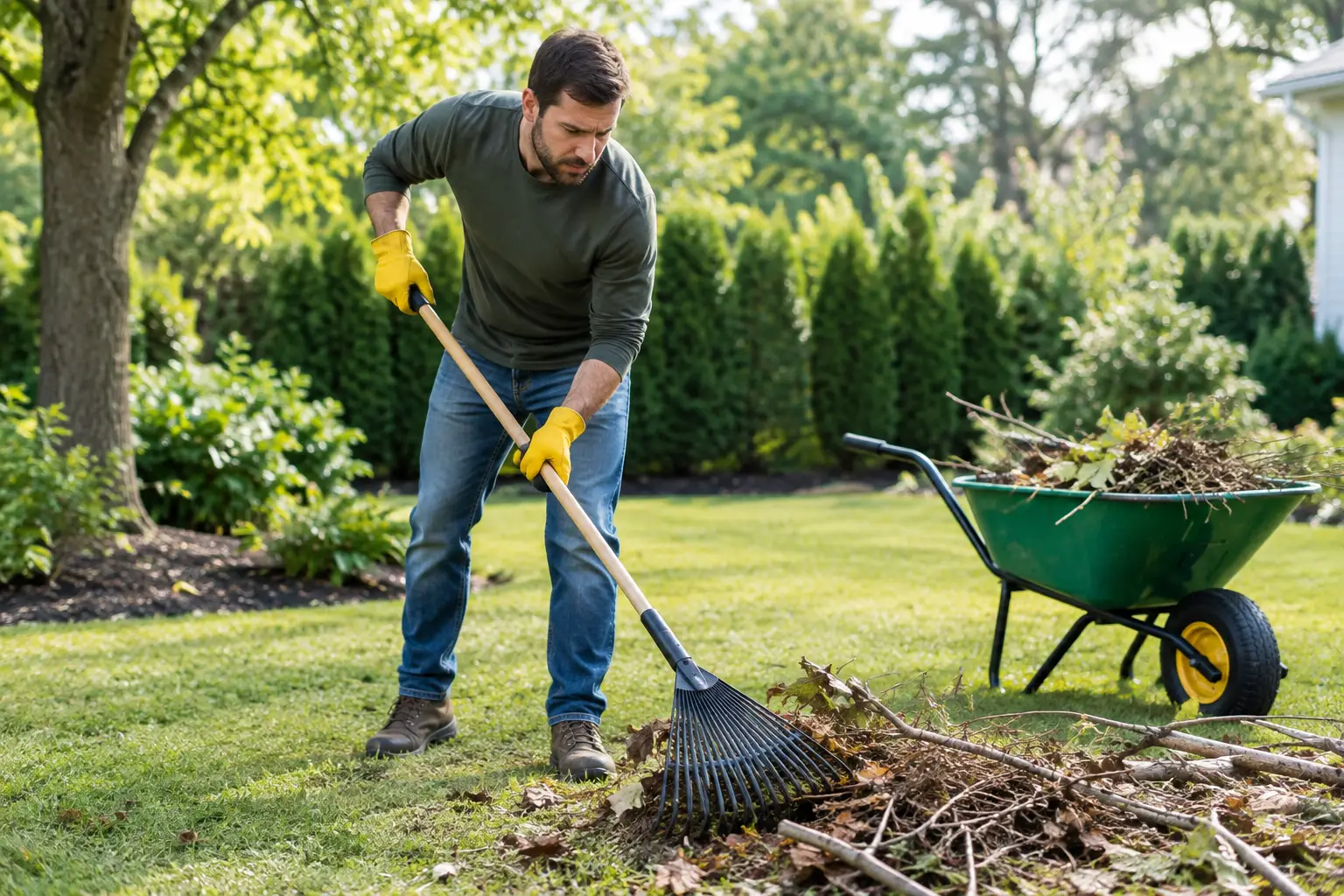
Learn how to clear tree debris safely after storms or trimming, protect your Lafayette property, and know when professional help is the safer choice…
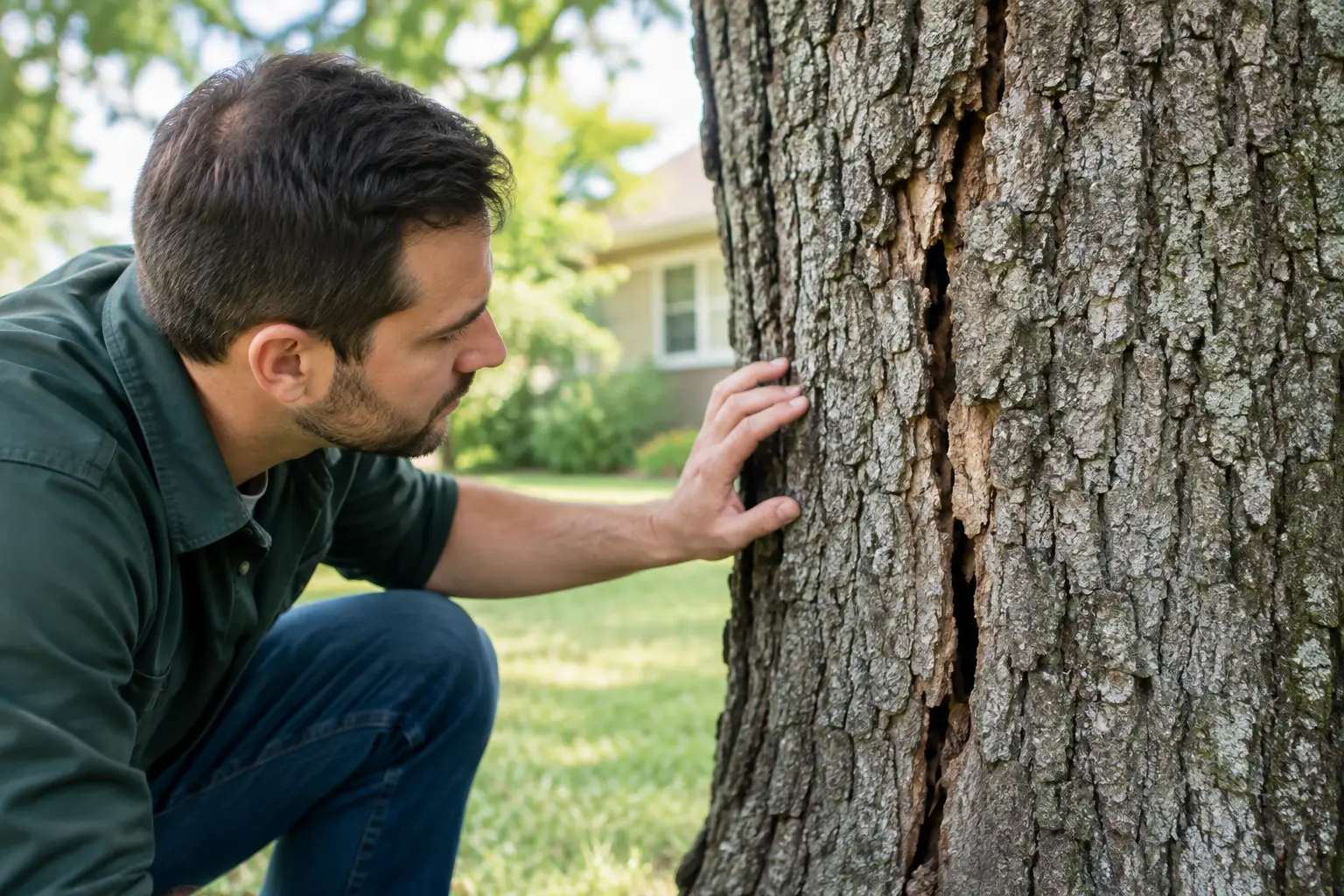
Are tree cracks dangerous? Learn which trunk splits signal a hazard, what causes them, and when Lafayette homeowners should call a nearby tree profes…
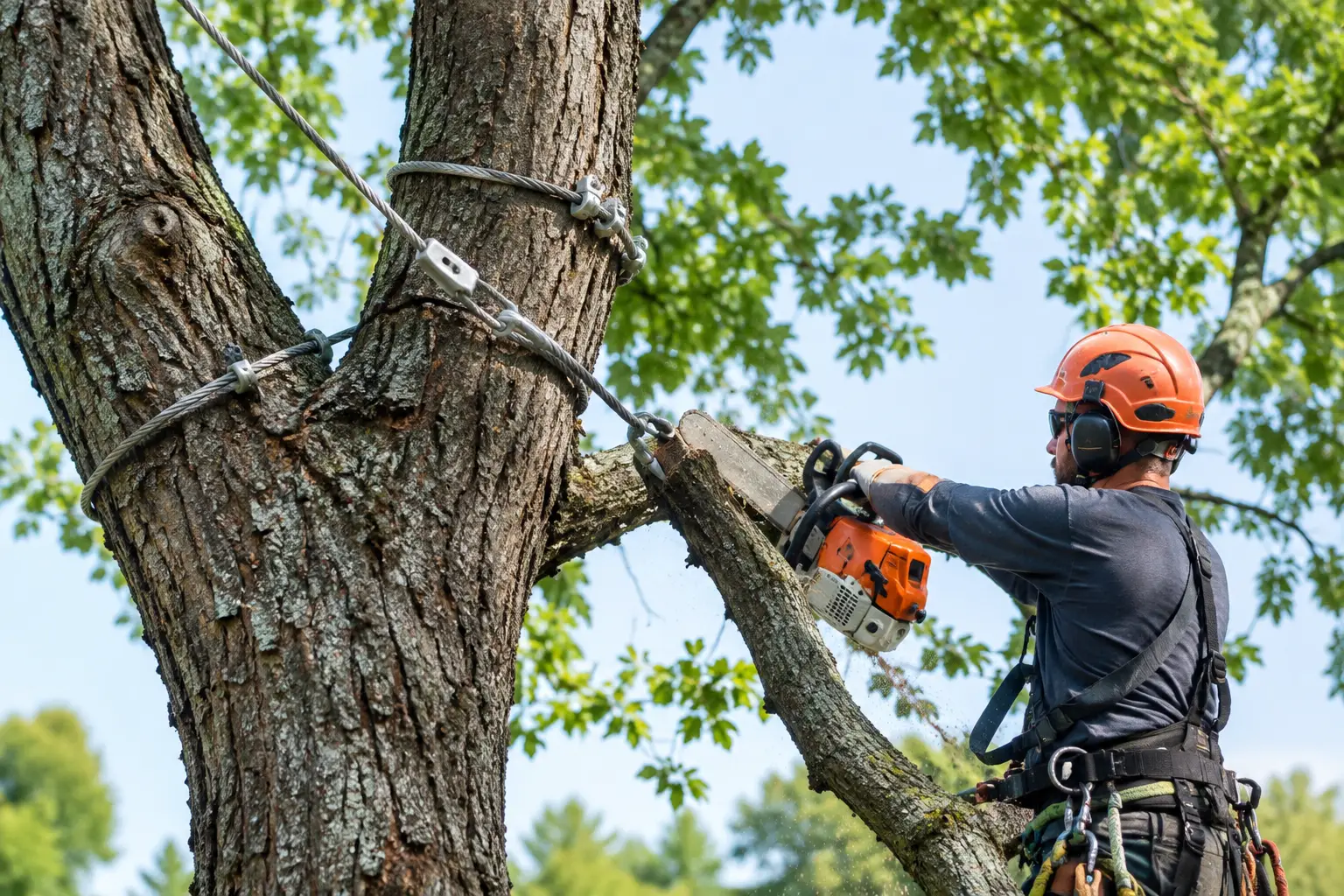
Cabling versus limb removal can protect your Lafayette property. Learn when each option makes sense for weak, damaged, or overgrown trees near homes.
Tell us about your trees and we'll get back to you, usually the same day.
“They were prompt for the actual survey and gave a fair estimate. Crew showed up and did the job ahead of planned date and did an amazing job.”
Loading the quote form…
Form not showing? Open the quote form or call (337) 568-2739.
Get a free, no-obligation estimate from Lafayette's locally owned tree service.