

Why Trees Lean and When You Should Take Action
Why trees lean in Louisiana yards, what a changing angle can signal, and when professional tree care can protect your home, people, and valuable prop…
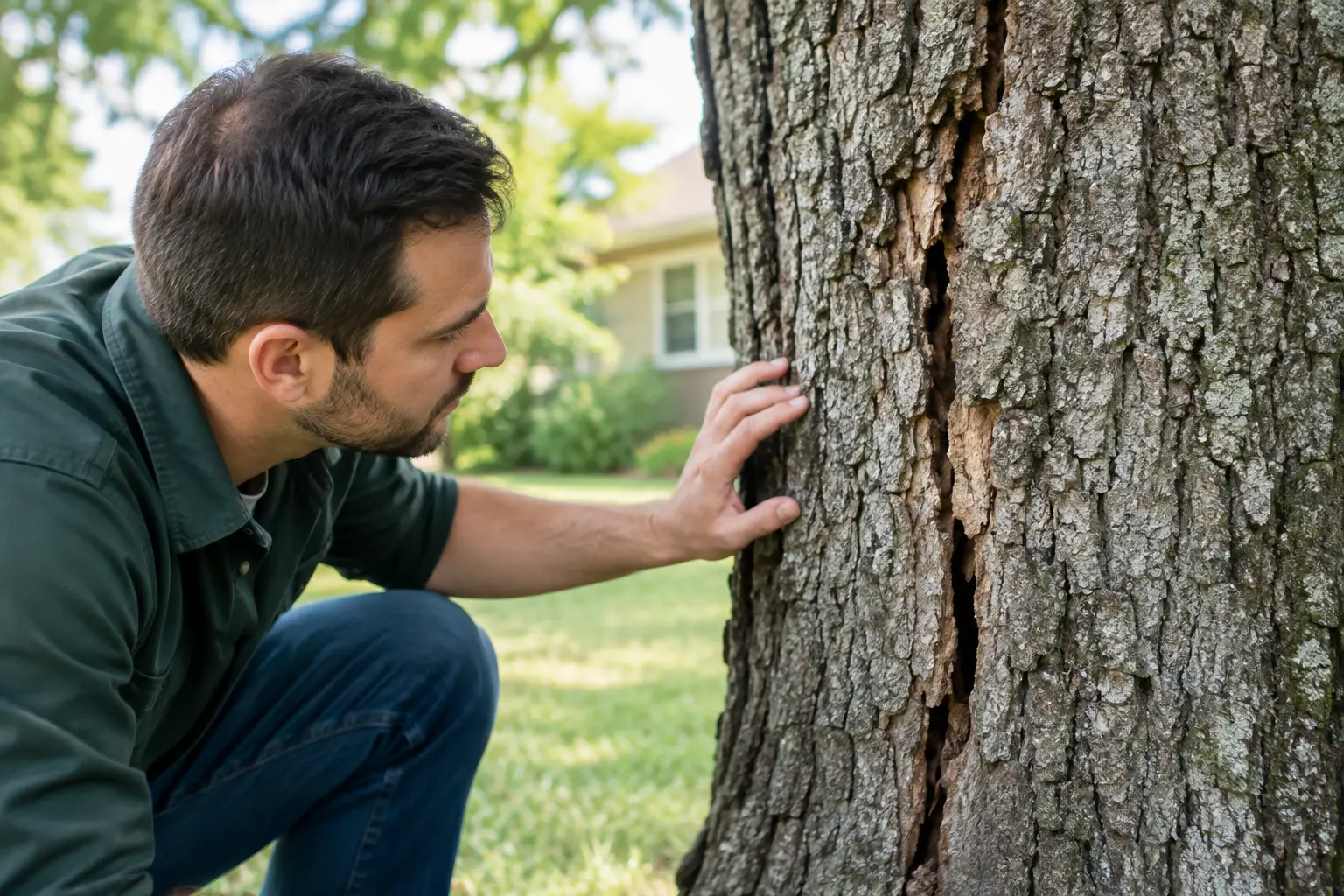
A crack running up a mature tree trunk can be easy to dismiss, especially when the tree still has green leaves and looks healthy from a distance. But are tree cracks dangerous? Sometimes they are, particularly when the crack affects the trunk, a major branch union, or the side of the tree facing your home, driveway, fence, or outdoor living area.
A crack does not automatically mean a tree will fail tomorrow. Trees can compartmentalize some injuries and continue growing for years. The concern is that a structural crack may reduce the tree's ability to carry its own weight, especially during the heavy rain, saturated soil, and strong winds common around Lafayette and Acadiana. Knowing what to look for helps you make a safer decision before the next storm puts the tree under pressure.
The most concerning cracks are fresh, deep, widening, or located where the tree supports a large amount of weight. A vertical split in the main trunk, for example, may indicate that the wood fibers have already begun separating. If that separation continues, part of the trunk or the entire tree may fail without much warning.
Cracks at the junction where two large stems meet also deserve prompt attention. Many multi-stem trees develop a weak connection called included bark, where bark becomes trapped between the stems instead of forming a strong wood-to-wood union. A visible seam, opening, or split at that point can mean the stems are pulling apart.
Risk is not just about whether the tree could break. It is also about what the tree could hit. A cracked tree in an open part of a large yard may allow time for monitoring or corrective pruning. The same tree leaning over a roof, parked vehicles, a play area, utility equipment, or a neighbor's property needs a faster professional assessment.
Do not stand beneath, climb, prune, or attempt to brace a tree yourself if you see signs of active structural failure. Keep people, pets, and vehicles away from the fall zone, which can extend well beyond the tree's canopy.
Call for a professional evaluation promptly when a crack is accompanied by one or more of these warning signs:
A sudden crack after wind or a lightning strike should be treated seriously even if the tree remains upright. Wind loads can open a defect that had been developing internally for years. Continued movement may make the next storm the one that causes failure.
If a cracked tree or broken branch is touching or threatening an electrical line, stay clear and contact the utility provider or emergency services as appropriate. Do not use ladders, ropes, chainsaws, or long-handled tools near energized lines. Tree work around utilities requires specialized planning and strict safety measures.
Tree cracks have several causes, and the cause affects the right solution. Storm damage is common in South Louisiana, where high winds can twist limbs and push heavy, wet canopies in different directions. A branch may crack where it joins the trunk, or a trunk may split between competing stems.
Decay is another major factor. Fungi, insects, past wounds, and hidden internal rot can weaken wood while the outer canopy still looks full. The tree may appear stable until weight, wind, or water stress exposes the weakness.
Poor structure can develop gradually. Co-dominant stems, long overextended limbs, heavy growth on one side, and branches that were cut improperly in the past can all place uneven pressure on the tree. Fast-growing trees are often more prone to this problem because they can add canopy weight faster than their structure strengthens.
Temperature changes can also create what is sometimes called a frost crack, though this is less common in our area than storm-related damage. These vertical cracks may close and reopen over time. Even if a seasonal crack is not immediately hazardous, it creates an entry point for moisture, pests, and decay organisms, so it should still be evaluated.
A responsible tree-care recommendation should account for the tree's species, size, condition, crack location, target area, and long-term value to the property. Some trees can be retained with precision pruning, weight reduction, cabling and bracing, or routine monitoring.
Cabling and bracing systems can provide supplemental support for certain structurally weak limbs or trunk unions. They are not a cure for severe decay or an actively splitting trunk, and they require proper installation and periodic inspection. Used in the right situation, however, a support system may reduce movement and help preserve a valuable, otherwise healthy tree.
Pruning can also reduce leverage on a compromised limb by removing selected weight from the canopy. This must be done carefully. Topping a tree or removing too much foliage at once can create weak regrowth, increase stress, and make the problem worse over time. The goal is targeted correction, not simply cutting back everything in sight.
Removal may be the safest option when the crack is severe, decay is advanced, the tree has already begun separating, or a likely failure would threaten people or property. Safe and efficient removal protects the site, but it also takes planning. The crew needs to consider drop zones, access, nearby structures, landscaping, and cleanup before work begins.
Take clear photos from a safe distance, including a wide view of the whole tree and closer images of the crack. If you have older photos, compare them to see whether the opening, lean, or canopy shape has changed. Avoid pressing on the trunk, pulling separated stems together, or placing hardware into the tree.
It is also helpful to think about timing. Did the crack appear after a storm? Has the tree dropped branches recently? Is there a history of construction, root damage, flooding, or soil changes near the base? These details help a tree professional identify possible causes and assess the level of urgency.
Do not try to fill a crack with concrete, foam, tar, or wound paint. These materials do not restore structural strength and can trap moisture or complicate a future assessment. Likewise, wrapping a split trunk with chain, cable, or rope can create new damage and does not address the underlying condition.
A qualified tree-care crew looks beyond the visible split. The assessment should include the trunk, root flare, canopy balance, branch attachments, signs of decay, lean, soil conditions, and nearby targets. The goal is to determine both the likelihood of failure and the consequences if failure occurs.
For homeowners, that means receiving a site-specific recommendation rather than a guess based on one photograph. In some cases, the answer may be careful pruning and follow-up monitoring. In others, the safest path may be a cabling system or removal before storm season. A clear plan should also explain how the work will protect your roofline, lawn, driveway, and surrounding landscape.
Apex Tree Care provides on-site evaluations for hazardous and structurally weak trees throughout Lafayette and nearby Acadiana communities. Whether the work involves precision pruning, structural support, or removal, professional equipment and complete debris cleanup help return the property to a safe, usable condition.
A cracked tree may remain standing for a long time, but that does not make it predictable. Wood failure often happens when wind, rain, and canopy weight combine at the wrong moment. If a crack is deep, growing, or positioned over something you value, arranging an assessment now is a practical way to protect your property and avoid a far more urgent situation later.

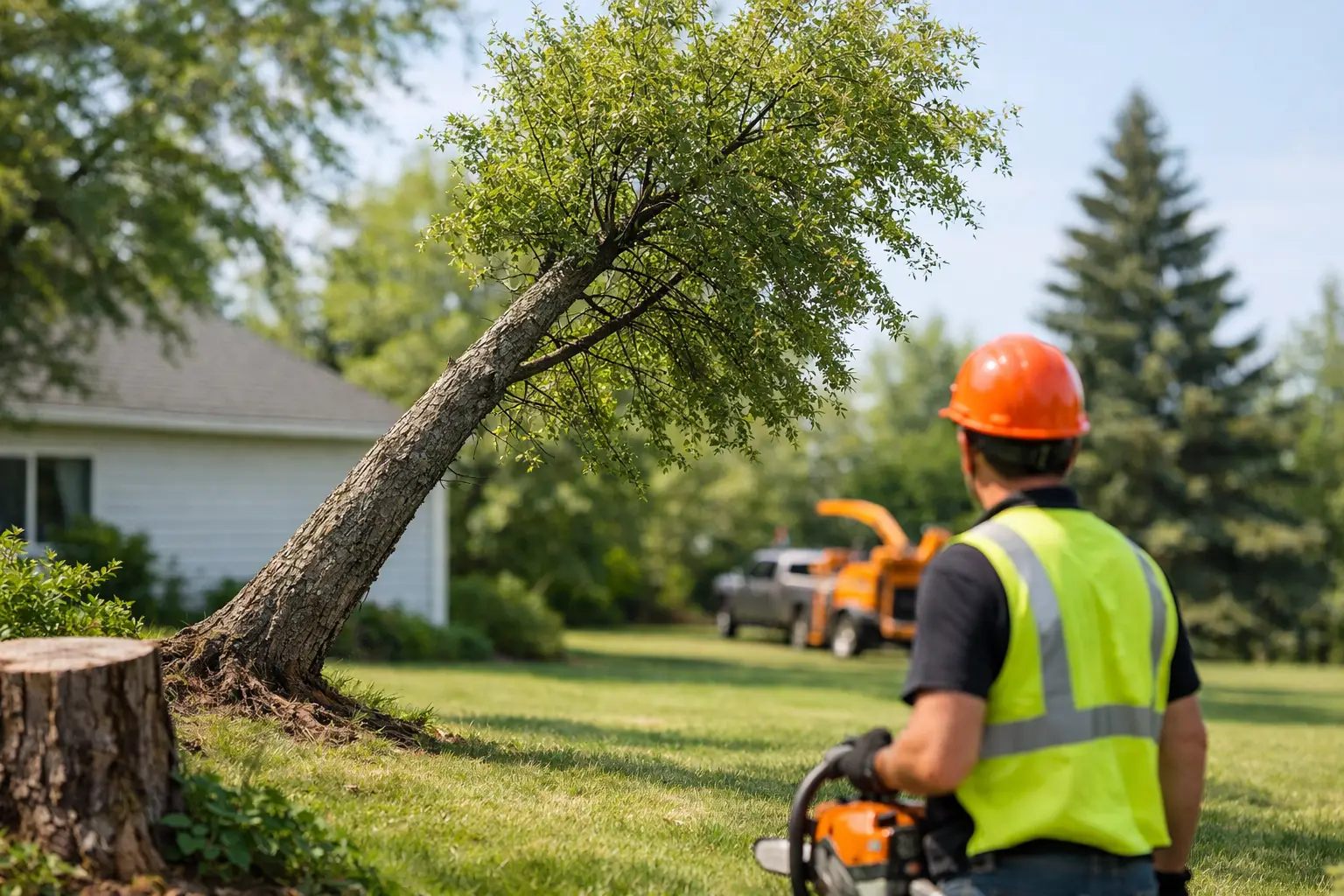
Why trees lean in Louisiana yards, what a changing angle can signal, and when professional tree care can protect your home, people, and valuable prop…
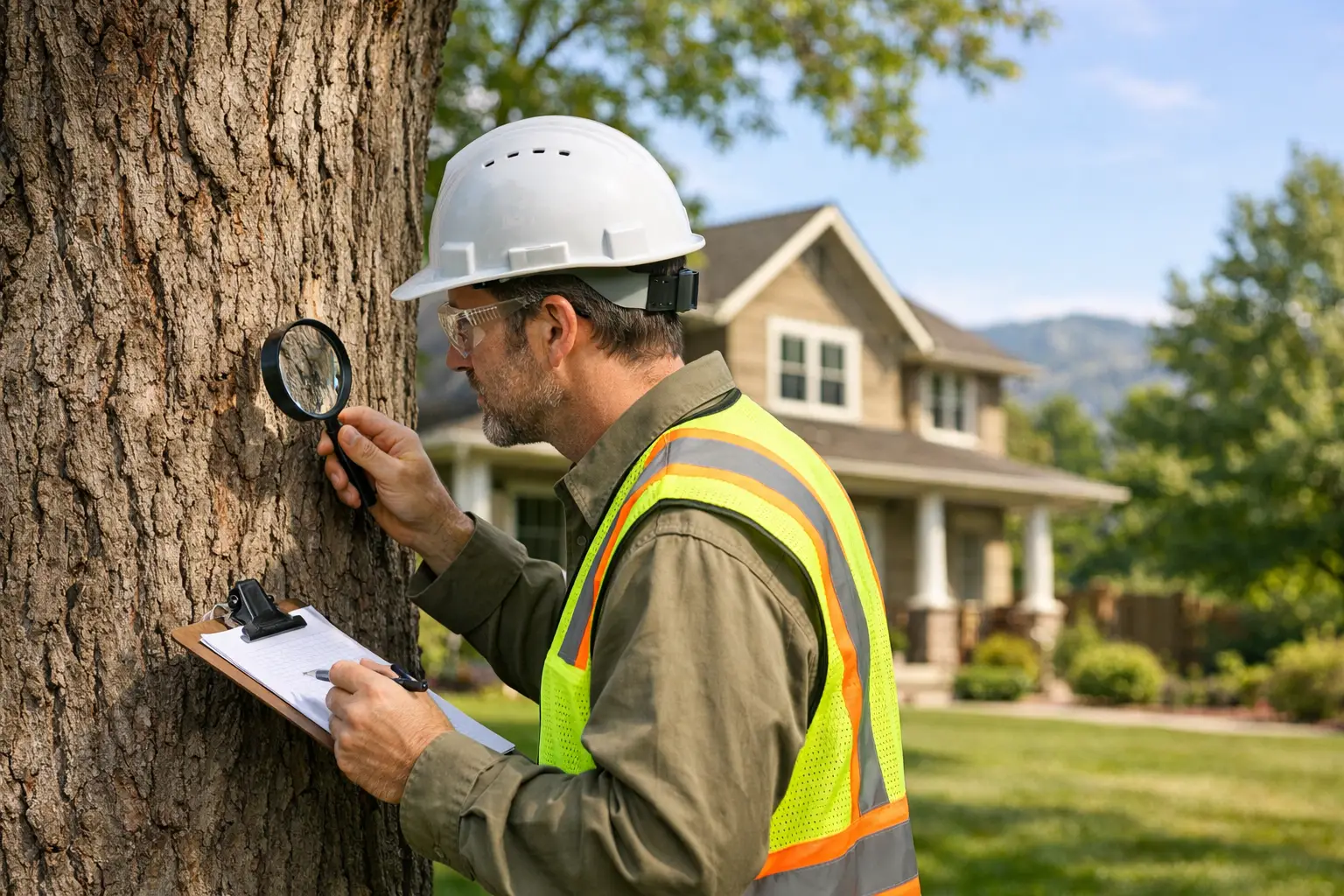
Tree inspection helps Lafayette homeowners spot hazards, protect roofs and yards, and plan safe pruning, support, or removal before problems grow wor…
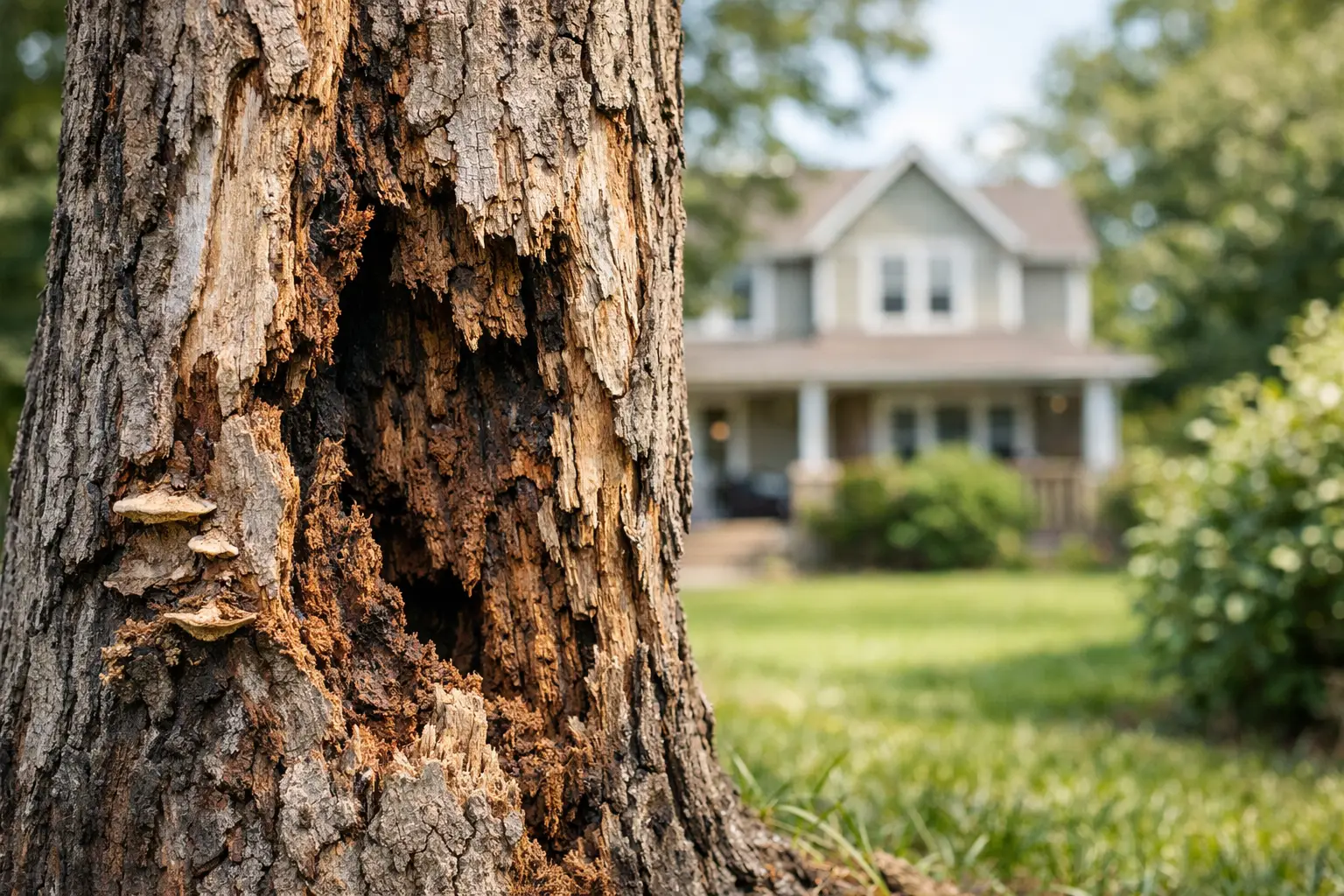
Learn the top signs of tree rot, when decay becomes a safety risk, and how Lafayette homeowners can protect their homes, yards, and families right no…
Tell us about your trees and we'll get back to you, usually the same day.
“They were prompt for the actual survey and gave a fair estimate. Crew showed up and did the job ahead of planned date and did an amazing job.”
Loading the quote form…
Form not showing? Open the quote form or call (337) 568-2739.
Get a free, no-obligation estimate from Lafayette's locally owned tree service.