

Who Clears Tree Debris From Your Property?
Wondering who clears tree debris after storms, trimming, or tree removal? Learn when to call professional crews for safe, full yard cleanup in Acadia…
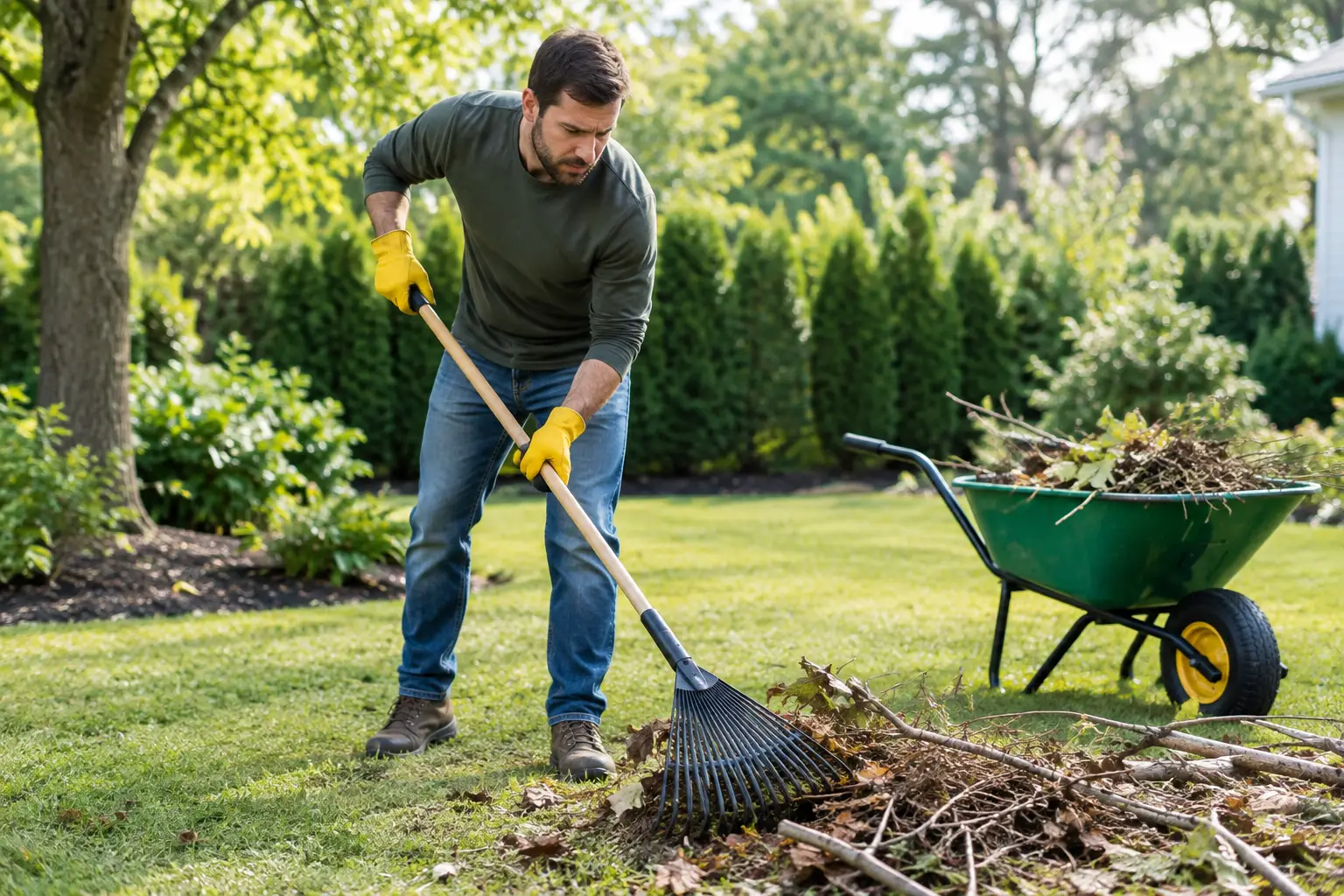
A fallen limb across the driveway, a roof scattered with twigs, and a yard buried under wet leaves can turn a normal afternoon into a property-safety concern. Knowing how to clear tree debris starts with recognizing what is safe to handle from the ground and what needs professional equipment, planning, and experience. In Lafayette and across Acadiana, heavy rain, saturated soil, and storm winds can make even small-looking debris more complicated than it appears.
Before picking up a branch, walk the area slowly and look above you. Tree debris is often the visible result of damage higher in the canopy. A hanging limb, split trunk, cracked branch collar, or leaning tree can fall after the storm has passed, especially when wood is wet and heavy.
Keep people, pets, and vehicles away from the work area. If debris is touching a utility line, is near a downed line, or is tangled in service wires, do not touch it. Stay clear, contact the utility provider if there is an immediate electrical concern, and arrange for qualified tree professionals to assess the situation.
The same caution applies to branches resting on a roof, fence, shed, or vehicle. Pulling or cutting a branch can shift its weight unexpectedly and create more damage. A branch that looks manageable from the ground may be under tension, supported by another limb, or partially attached overhead.
The safest cleanup plan is rarely to tackle everything at once. Separate debris into manageable categories so you can clear the low-risk material first while identifying hazards that should stay untouched.
Leaves, pine straw, small twigs, and loose branches can usually be gathered with a rake, tarp, gloves, and yard bags or a designated debris pile. Work outward from walkways, patios, driveways, and drainage areas. Clearing these surfaces first reduces slip hazards and helps restore access around the home.
Medium-sized limbs may be moved by hand if they are fully on the ground, not twisted under pressure, and light enough to carry without straining. Use gloves and sturdy footwear. Dragging branches across grass can be easier on your back than carrying them, but avoid dragging them over irrigation heads, garden borders, or delicate plants.
Large limbs, trunk sections, uprooted trees, and anything suspended above ground belong in the professional category. This is particularly true when debris is close to a house, pool enclosure, fence, outdoor kitchen, driveway, or utility area. The cost of a professional cleanup is often far less than repairing a damaged structure or treating an avoidable injury.
A clean yard is the goal, but rushing cleanup can tear up turf and compact already-saturated soil. Louisiana lawns can be especially vulnerable after prolonged rain. If equipment or repeated foot traffic creates ruts, the cleanup itself can leave a lasting repair project behind.
Begin by removing loose debris from turf with a rake or blower set at a moderate speed. Avoid using a powerful blower around mulch beds, newly planted shrubs, gravel, or loose landscape stone. It may be faster in the moment, but it can scatter material into areas that are harder to restore.
For leafy debris, use a tarp to collect and move material instead of making many small trips. This reduces traffic across wet grass and keeps piles contained. Leaves can be bagged according to local collection rules, composted when appropriate, or placed in a designated area away from drains and waterways.
Do not push leaves, twigs, or sawdust into street drains. During heavy rain, debris can block drainage and contribute to standing water near the home. Keep gutters, downspout outlets, swales, and drainage paths clear as part of your post-storm inspection.
When branches are too large for curbside collection, cutting them down without a plan can create another problem. Improper cuts can cause a limb to roll, pinch a saw blade, or release stored tension suddenly. Professional crews use the right cutting methods and equipment to process wood safely, then remove or haul away the resulting debris.
If a fallen limb must be moved across the yard, wait until the ground is firmer when possible. Use plywood sheets or other ground protection where equipment needs to cross soft areas. Never drive a truck or trailer over a saturated lawn just to get closer to a debris pile unless you are prepared for possible rutting and soil damage.
For properties with irrigation, low-voltage lighting, septic components, or buried drainage lines, mark these areas before moving logs or bringing in equipment. A careful plan protects the landscape features you cannot see from the surface.
Tree debris on a roof deserves a different level of caution. Small, loose leaves in accessible gutters may be manageable from a stable ladder, but ladders and wet conditions are a poor combination. If the roof is steep, slick, high, or covered in branches, do not climb onto it.
From the ground, look for bent gutters, damaged shingles, punctures, or branches that appear to be pressing into the roofline. Check screens, patios, fencing, sheds, and outdoor equipment for hidden impact damage. Take clear photos before cleanup if you may need them for insurance documentation.
A branch resting against a structure should not be treated as ordinary yard waste. Its weight may be holding damaged materials in place, and removing it incorrectly can worsen the impact. A trained crew can stabilize, section, and remove the branch with greater control.
Storm cleanup can reveal that the debris is not the main issue. Repeated limb drop, dead wood, fungal growth, cracks at major branch unions, exposed roots, and a sudden lean can all indicate a tree that needs inspection.
Mature trees add shade, beauty, and value to a Louisiana property, but they also need occasional maintenance. Precision pruning can remove dead, weak, or overextended limbs before they break. In some cases, cabling and bracing may help support structurally weak limbs or trunks. In others, removal is the safest recommendation, particularly when a declining tree threatens a home, driveway, fence, or heavily used outdoor area.
It depends on the tree species, location, health, root condition, and extent of damage. A healthy tree with one broken limb may only need targeted pruning. A tree with a split trunk or compromised roots may require a more complete response. An on-site assessment provides a safer answer than guessing from a photo or trying to manage the problem with a chainsaw.
Call for professional help when debris involves height, weight, tension, utilities, structures, or unstable trees. These are not situations where more effort makes the job safer. They require trained judgment, proper safety measures, and equipment designed for controlled removal.
A professional crew can assess the site, remove hazardous limbs, process and haul away debris, and leave the work area clean and usable. That full cleanup matters after a storm or removal project. It means fewer sharp fragments in the grass, fewer piles attracting pests, and less work left behind for the homeowner.
Apex Tree Care helps homeowners in Lafayette and nearby Acadiana communities handle storm debris, fallen limbs, hazardous trees, and cleanup with a property-protection mindset. The right approach is not simply getting branches off the ground. It is restoring safe access to your yard while reducing the chance that the next storm turns an existing tree issue into a larger loss.
If you are unsure whether a branch is safe to move, leave it in place and have it evaluated. A clear yard is worthwhile, but a safe, protected property is the better result.

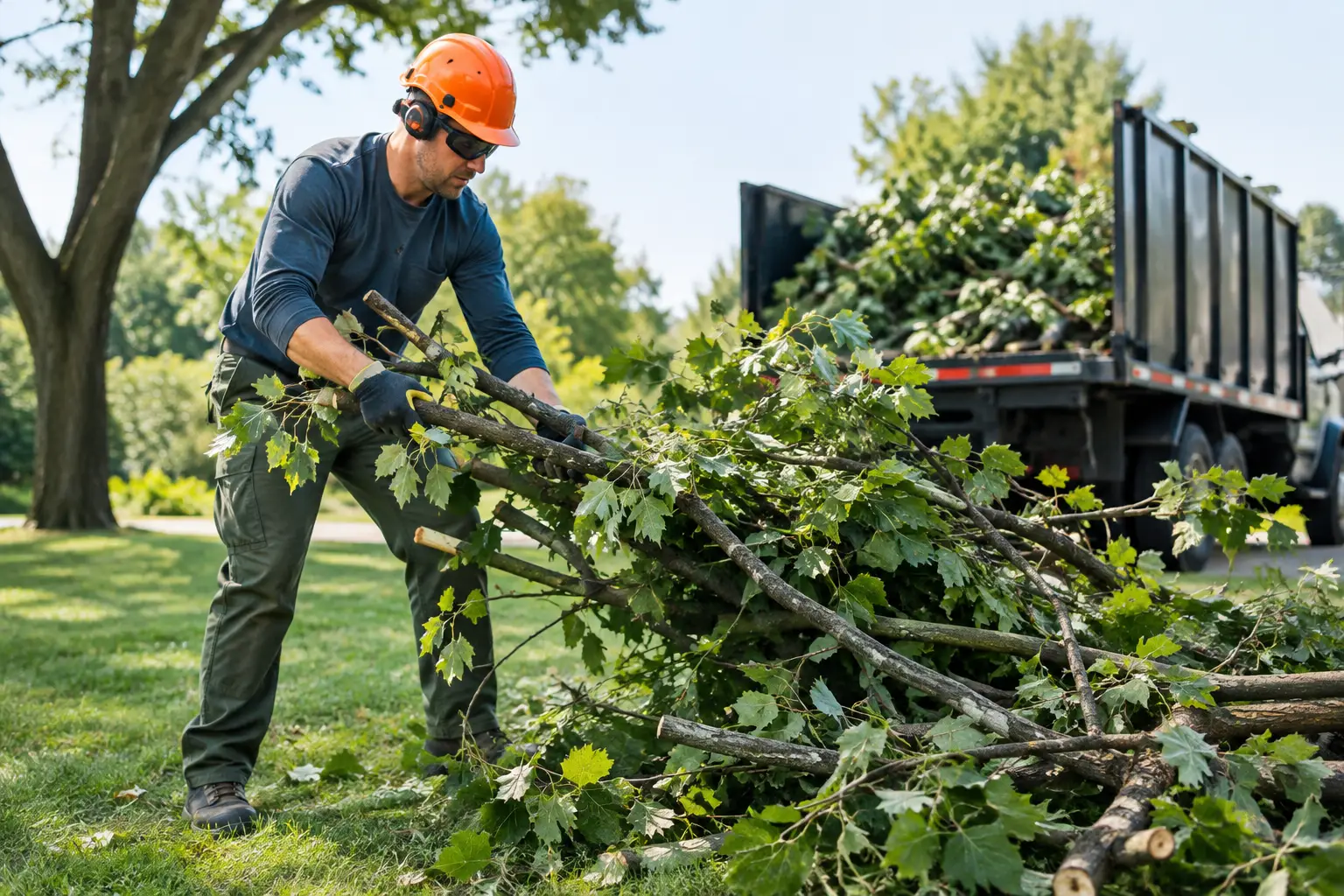
Wondering who clears tree debris after storms, trimming, or tree removal? Learn when to call professional crews for safe, full yard cleanup in Acadia…
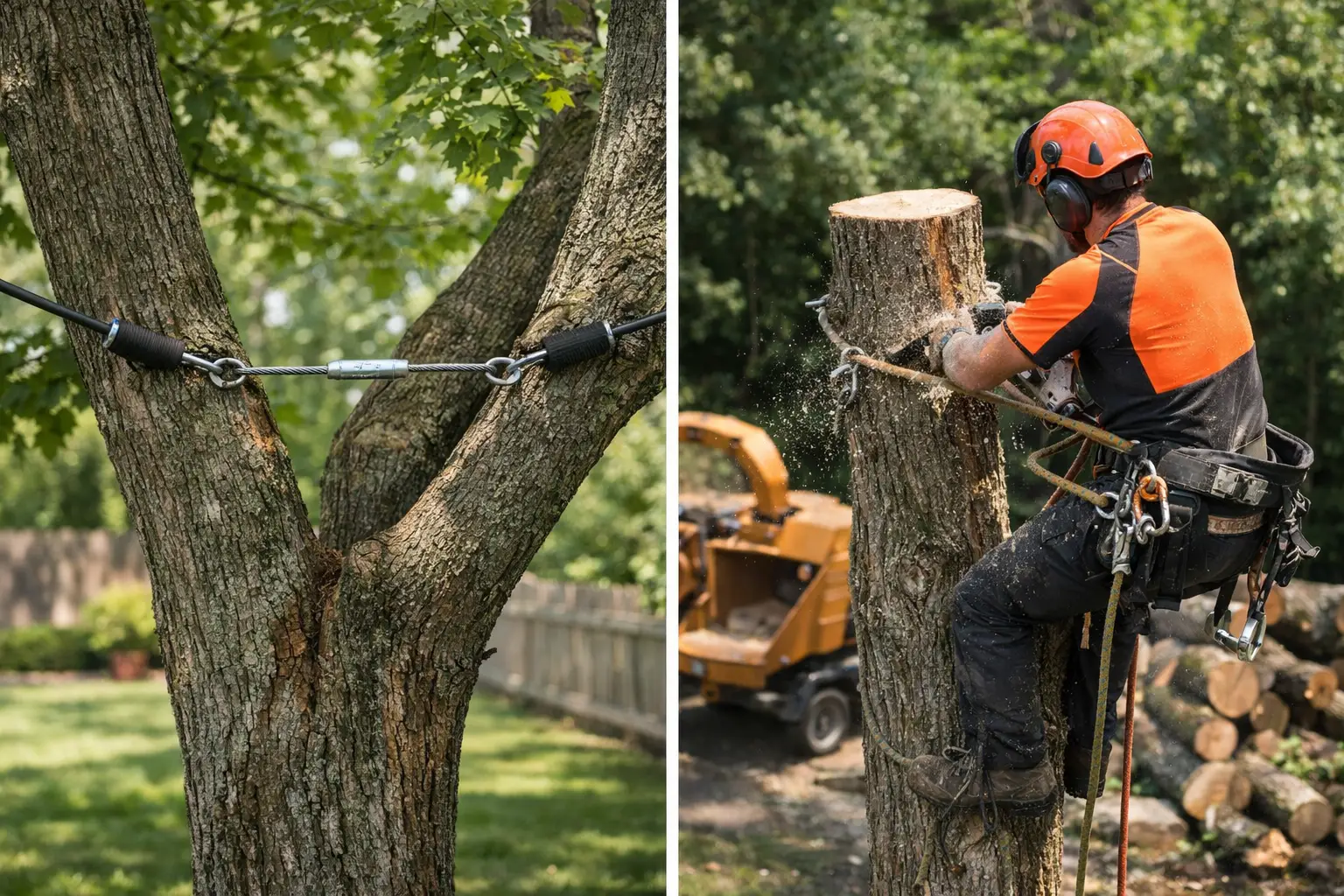
Tree bracing versus removal comes down to structure, risk, and location. Learn how Lafayette homeowners can protect their homes, yards, and trees saf…
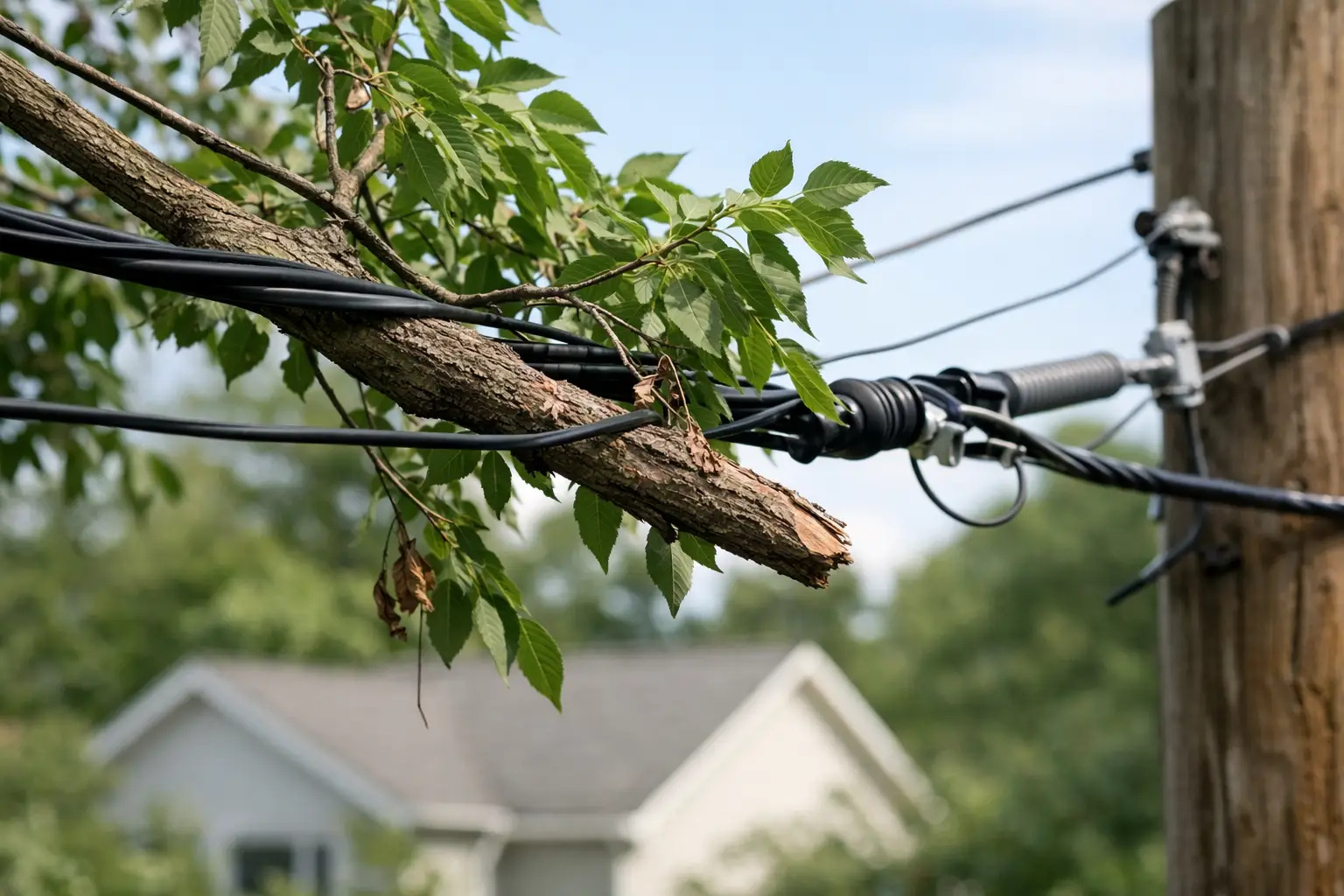
Branches touching power lines safety starts with distance: learn what to do, when to call the utility, and how to protect your Louisiana home and yar…
Tell us about your trees and we'll get back to you, usually the same day.
“They were prompt for the actual survey and gave a fair estimate. Crew showed up and did the job ahead of planned date and did an amazing job.”
Loading the quote form…
Form not showing? Open the quote form or call (337) 568-2739.
Get a free, no-obligation estimate from Lafayette's locally owned tree service.