

Are Tree Cracks Dangerous? What Homeowners Should Know
Are tree cracks dangerous? Learn which trunk splits signal a hazard, what causes them, and when Lafayette homeowners should call a nearby tree profes…
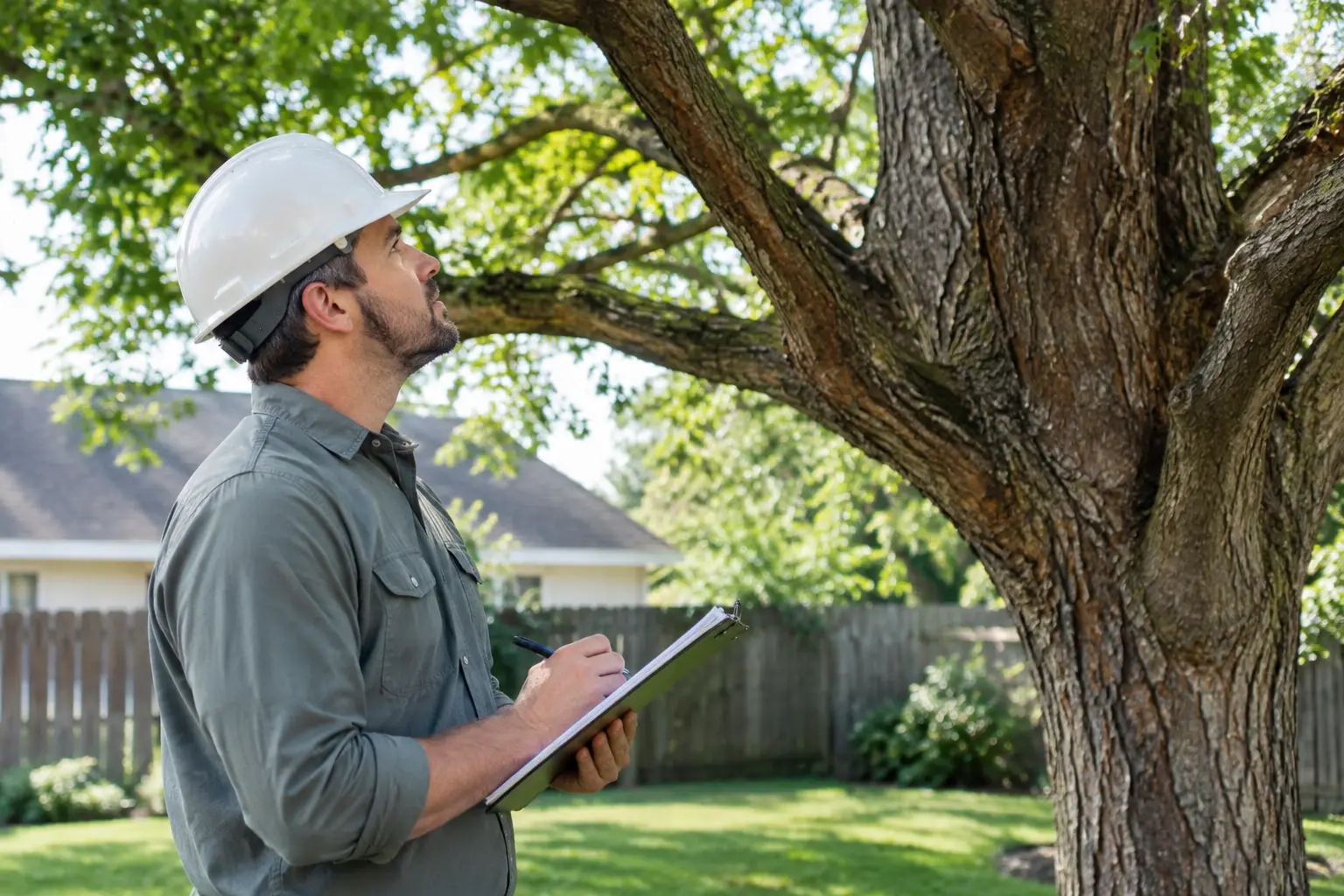
A limb can look harmless from the ground and still weigh hundreds of pounds. In Lafayette and across Acadiana, heavy rain, saturated soil, high winds, and fast-growing vegetation can turn a small tree issue into roof damage, a blocked driveway, or a serious injury. Use this tree maintenance safety checklist to identify concerns early and decide when routine yard care needs a professional crew.
Tree work is not just about cutting branches. Every job involves weight, direction of fall, hidden decay, nearby structures, overhead utilities, and the condition of the ground beneath the tree. A careful inspection helps protect your family, home, fence, vehicles, and outdoor living space before work begins.
Walk your property from a safe distance after storms and at least once or twice a year. Do not start by standing directly under the canopy. Instead, look at the entire tree from several angles and note what has changed since your last inspection.
Check for dead limbs, broken branch stubs, hanging limbs, large cracks in trunks or major branch unions, mushrooms at the base, peeling bark, and cavities. These signs do not always mean a tree must be removed, but they do call for a closer evaluation. Decay can weaken a tree from the inside long before the exterior damage looks severe.
Pay attention to the ground around the base. Freshly lifted soil, exposed roots, soil cracks, or a tree that now appears to lean may indicate root movement. In south Louisiana, extended rain can soften the soil and reduce a tree's holding strength. A lean that has developed recently is more concerning than a tree that has grown at a stable angle for years.
Also inspect where branches reach over roofs, driveways, patios, fences, sheds, pools, and play areas. A healthy branch can still become a property risk when it is overextended, rubbing against a roofline, or hanging over a place where people park and walk every day.
A homeowner can handle light, ground-level cleanup, such as picking up small fallen twigs or removing loose debris from a clear yard area. Once cutting, climbing, ladders, or power equipment enter the picture, the risk rises quickly. Before doing any work, confirm the following conditions are true:
If one of these conditions is not met, stop. Waiting for better conditions or scheduling professional help is far less costly than dealing with a preventable injury or damaged structure.
Any tree limb near a power line is a professional job. Do not attempt to prune it, pull it with a rope, use a ladder nearby, or assume an insulated-looking line is safe to touch. Electricity can travel through branches, tools, ladders, wet ground, and people.
If a limb is resting on a line, a line is down, or a tree has fallen into utility equipment, keep everyone away and contact the utility provider or emergency services as appropriate. Do not try to move the tree yourself. Even a branch that looks small can create a dangerous electrical situation.
Many homeowner tree injuries happen when someone tries to reach one more branch from a ladder. Ladders are unstable on uneven lawns, and a falling limb can knock them sideways. Chainsaws and ladders are an especially unsafe combination.
Avoid climbing trees without proper training, climbing systems, and rescue planning. Professional arboriculture crews use specialized equipment, controlled cutting methods, ground support, and work-zone management because a tree does not always react predictably once weight is removed.
Pruning improves a tree's structure, clearance, and long-term health when it is done selectively. Removal takes down the full tree in a controlled sequence. The two jobs require different planning, and treating pruning like simple trimming can create new hazards.
Avoid topping a tree by cutting major branches back to stubs. Topping can leave large wounds, trigger weak regrowth, and make the tree more likely to develop unstable limbs later. It may make a tree look shorter for a while, but it often creates a more expensive problem down the road.
Proper pruning considers branch size, attachment points, the tree species, seasonal timing, and how much live canopy can safely be removed. For example, clearing a roofline may be appropriate, but removing too much foliage at once can stress the tree. When a mature tree needs significant reduction, structural correction, or clearance from a home, an on-site assessment is the safest way to choose the right approach.
Some warning signs warrant prompt professional attention, especially when the tree is close to a house, driveway, or frequently used part of the yard. These conditions include a split trunk, a large cracked limb, visible cavities, a sudden lean, roots lifting from the soil, or substantial deadwood over an occupied area.
Co-dominant stems also deserve attention. This is when two main trunks grow closely together from the same point, often with a narrow, weak connection between them. In some cases, a properly installed cabling and bracing system can reduce the chance of structural failure. In others, pruning or removal may be the safer recommendation. The right solution depends on the tree's condition, size, location, and value to the property.
Storm damage should be assessed with patience. Do not rush beneath a damaged canopy to cut a hanging branch. A broken limb may be caught under tension, and cutting it in the wrong place can cause it to swing, roll, or drop without warning. Keep the area clear until a trained crew can evaluate how the weight is supported.
Before professional tree maintenance begins, move vehicles, outdoor furniture, grills, planters, and other movable items away from the work area. Let the crew know about septic systems, irrigation heads, buried lines, drainage features, gates, and access concerns. These details help the team protect the parts of your property that are not immediately visible.
A responsible crew should establish a controlled work zone, plan where limbs and debris will go, and use equipment suited to the tree and site. On tight residential lots, that may mean lowering branches in sections instead of dropping them freely. It takes more time, but controlled work protects roofs, fences, landscaping, and neighboring property.
Cleanup matters, too. Wood, brush, sawdust, and stump debris can create trip hazards or make a yard unusable after the work is complete. Ask what debris removal is included and whether stump grinding is appropriate if a removed tree leaves behind a stump in a traffic area, planting bed, or lawn.
Call for an assessment when a tree is dead, diseased, leaning, structurally cracked, storm-damaged, or growing near power lines or structures. The same applies to large limbs over roofs, repeated limb failure, and trees that require climbing or specialized equipment to reach safely.
A qualified local team can evaluate whether precision pruning, cabling and bracing, removal, or monitoring is the most practical option. At Apex Tree Care, the goal is not to recommend unnecessary removal. It is to match the work to the actual risk, protect the property, and leave the site clean when the job is done.
A safer yard often starts with noticing one change early: a new lean after rain, a dead limb over the driveway, or a branch rubbing the roof. Give that change the attention it deserves before the next storm gives it a chance to become urgent.

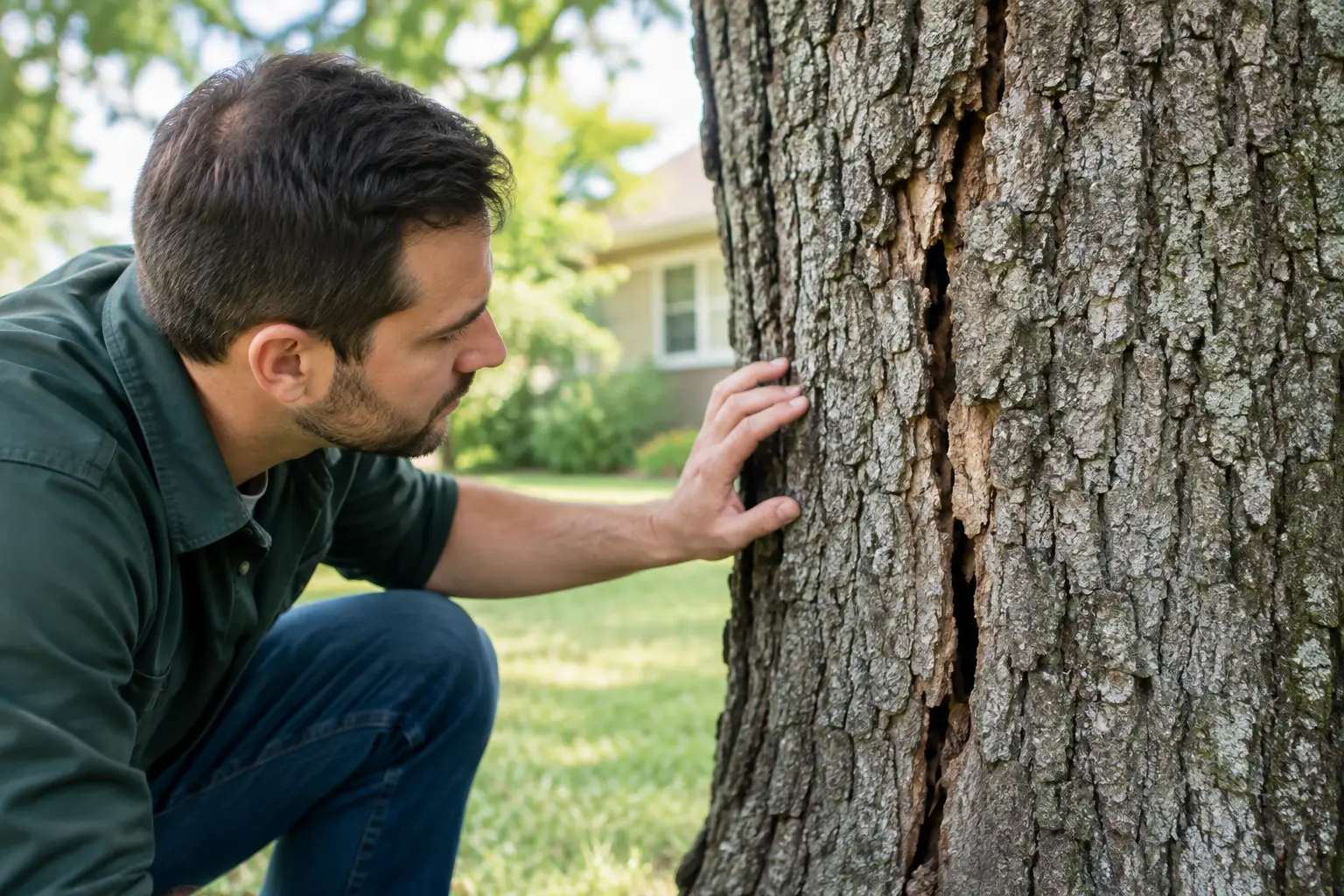
Are tree cracks dangerous? Learn which trunk splits signal a hazard, what causes them, and when Lafayette homeowners should call a nearby tree profes…
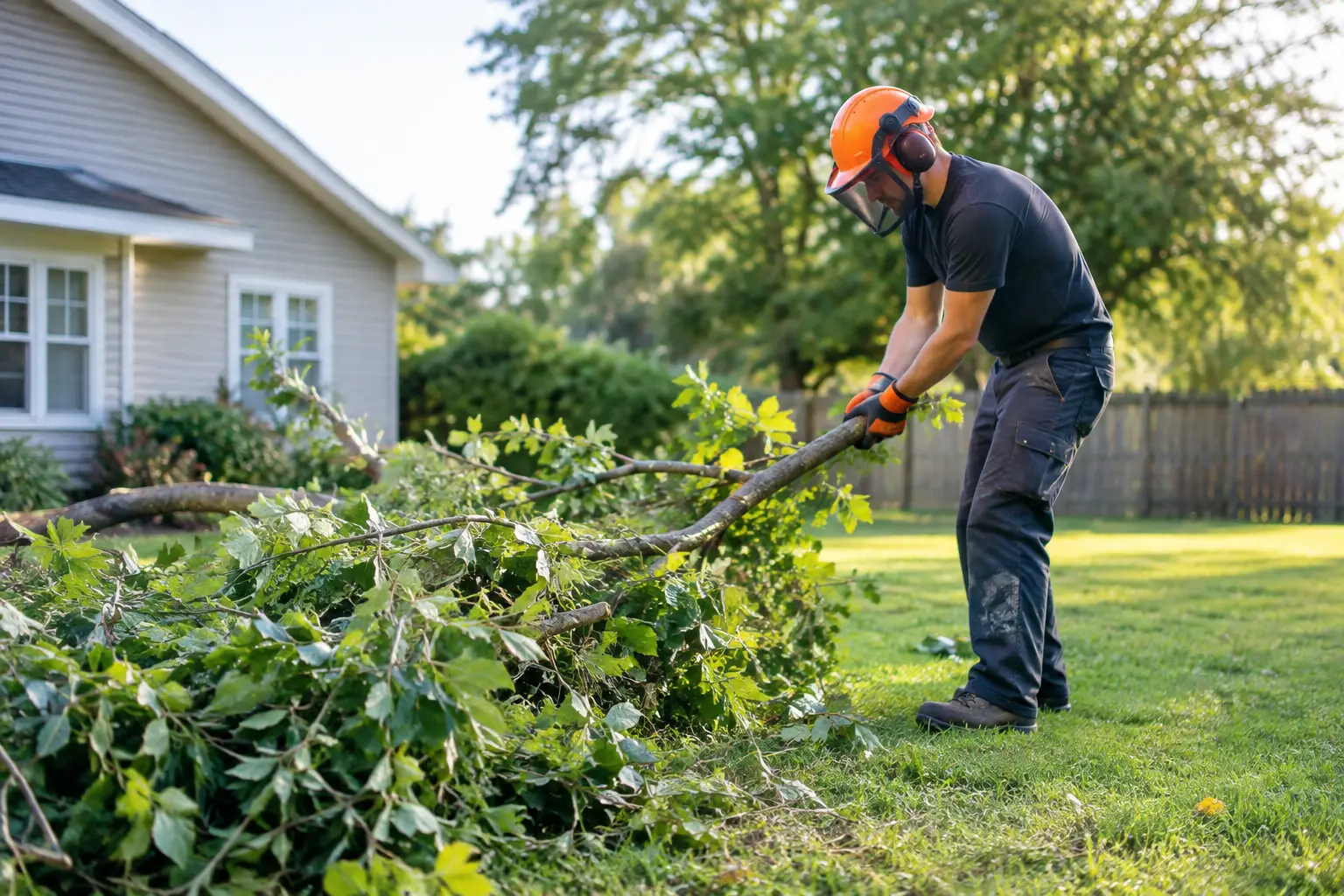
Tree cleanup after storms, pruning, or removal protects your Lafayette property. Learn what belongs in a safe, complete cleanup and when to call near…
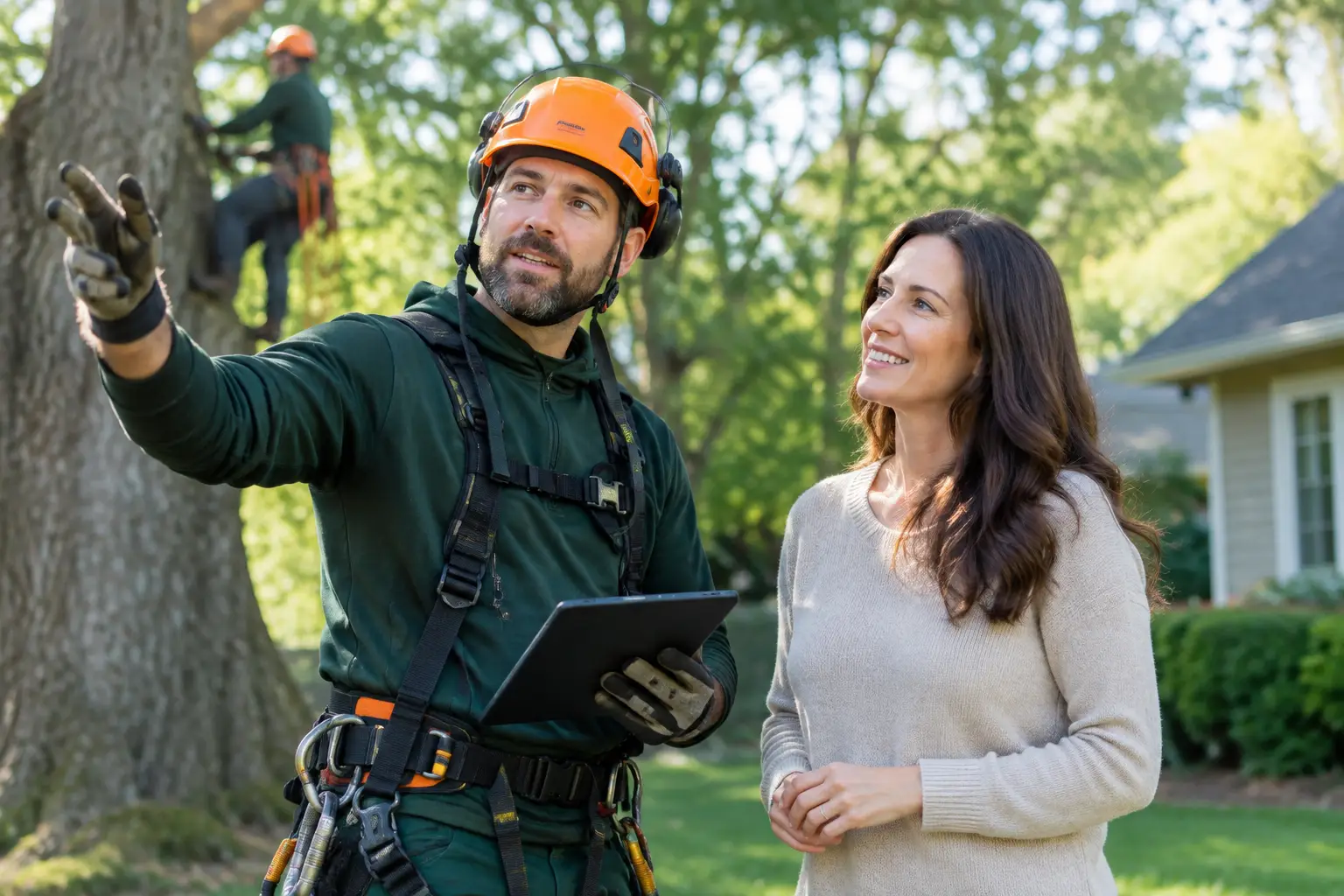
Arborist service reviews can reveal safety, cleanup, pricing, and communication standards. Learn what Lafayette homeowners should look for before hir…
Tell us about your trees and we'll get back to you, usually the same day.
“They were prompt for the actual survey and gave a fair estimate. Crew showed up and did the job ahead of planned date and did an amazing job.”
Loading the quote form…
Form not showing? Open the quote form or call (337) 568-2739.
Get a free, no-obligation estimate from Lafayette's locally owned tree service.