

Are Tree Cracks Dangerous? What Homeowners Should Know
Are tree cracks dangerous? Learn which trunk splits signal a hazard, what causes them, and when Lafayette homeowners should call a nearby tree profes…
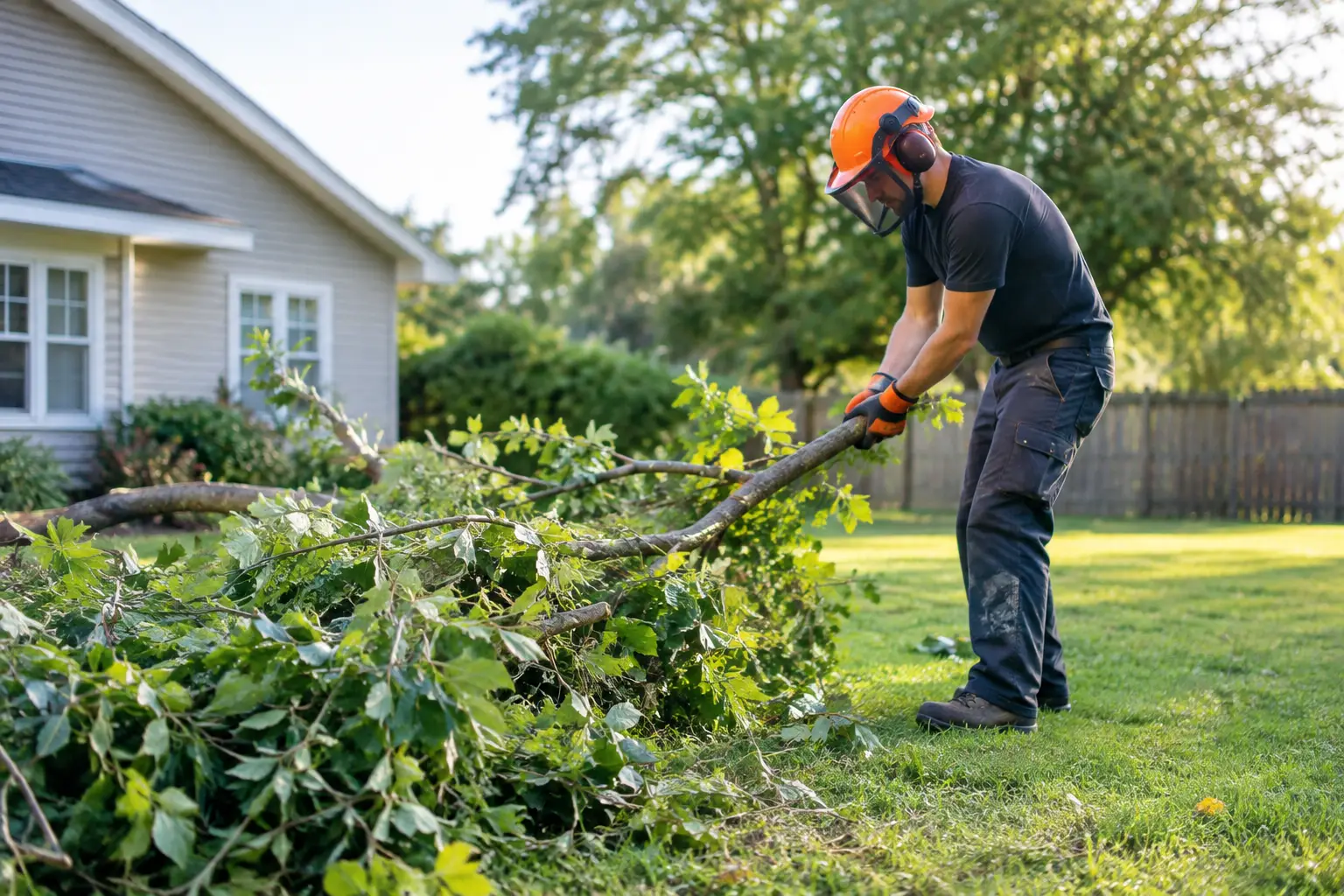
A fallen limb across a driveway is obvious. The smaller hazards left behind after a storm, pruning project, or tree removal are easier to miss: sharp branch stubs, tangled brush, hidden debris in grass, damaged fencing, and piles that attract pests. Proper tree cleanup is what turns a disrupted yard into a safe, usable property again.
For homeowners in Lafayette and nearby Acadiana communities, cleanup is more than making a yard look neat. It helps protect people, pets, lawn equipment, roofs, drainage areas, and outdoor spaces. The right approach depends on the size of the debris, where it landed, and whether the tree is still unstable.
A clean job site should not mean that the largest logs were removed while everything else was pushed to the edge of the yard. Complete cleanup addresses the visible material and the smaller debris that can create problems later.
After pruning, removal, or storm damage, crews should clear branches, brush, wood pieces, sawdust concentrations, and loose debris from work areas. That includes driveways, sidewalks, patios, flower beds, access paths, and lawn areas where a mower could strike hidden wood. If a tree was removed, the site should also be checked for remaining limbs caught in nearby shrubs, gutters, or lower branches.
The final condition of the property should match the agreed scope of work. Some homeowners want logs cut into manageable sections for firewood. Others prefer all wood and debris hauled away. Both are reasonable choices, but it is best to decide before work begins so the crew can plan equipment, hauling, and access accordingly.
Freshly cut branches may look harmless, but debris piles can become a problem quickly in South Louisiana's heat and humidity. They can block drainage, smother grass, provide shelter for insects and rodents, and make it harder to spot snakes or other wildlife. A pile against a fence or structure can also hold moisture where it does not belong.
Storm debris deserves extra caution. A broken limb may be under tension, tangled in another tree, or resting against a utility line. Never pull, cut, or climb around material that is near power lines. Keep people and pets away, then arrange for a qualified tree care crew and, when needed, contact the utility provider.
Homeowners can often handle light cleanup, such as collecting small twigs after routine trimming. Once debris involves height, weight, electrical hazards, or unstable trees, the work changes. What looks like a simple branch on the ground may be holding pressure from another limb or be attached to a partially failed trunk.
Professional help is the safer choice when a tree or limb is hanging over a home, driveway, fence, pool, play area, or utility corridor. It is also appropriate when a fallen tree has lifted roots from the ground, cracked the trunk, or damaged nearby structures. These conditions require controlled cutting, proper rigging, and a clear understanding of how the wood will move as it is removed.
Apex Tree Care evaluates the whole site before starting work, not just the pile of debris. That matters because safe removal often comes before cleanup. A crew may need to reduce a hanging limb, secure a weak section, or remove a damaged tree in pieces before the area can be cleared safely.
Before moving debris, take a slow walk around the affected area from a safe distance. Look for roof damage, bent gutters, cracked fence posts, broken irrigation heads, damaged landscape lighting, and ruts in soft ground. Take photos if you may need to document storm damage for an insurance claim.
Do not assume a tree is stable simply because it is still standing. New leaning, exposed roots, vertical cracks, peeling bark around a split, or a canopy that suddenly looks uneven can signal structural trouble. Cleanup may need to wait until an arborist or qualified tree professional assesses the tree.
For minor debris that is clearly safe to handle, work methodically rather than trying to clear everything at once. Wear sturdy shoes, gloves, long pants, and eye protection. Avoid working alone if branches are heavy or the ground is slippery.
There is no prize for finishing cleanup in one afternoon. Wet ground, heat, and fatigue raise the chance of injury. It is better to secure the area, handle only what is manageable, and schedule professional service for the rest.
Keeping logs can make sense if you have a fireplace, fire pit, or use for natural landscape edging. However, green wood often needs time to season before it burns well, and large rounds are heavy to move. Some species can also attract insects as they decay, particularly when wood is stored too close to the home.
Having debris hauled away gives the yard a faster reset and avoids creating a long-term pile that still needs attention. It is usually the better option for properties with limited space, children or pets using the yard, drainage concerns, or wood from a diseased tree.
Chipping is another option for suitable brush. Mulch can be useful around landscape beds, but it should not be piled against tree trunks, siding, or foundations. Thick mulch holds moisture and may create conditions that encourage pests or decay. Whether chipping is worthwhile depends on the quantity and condition of the material, as well as whether you have a practical use for it.
Removing a tree solves the overhead hazard, but the stump can remain a trip hazard, mowing obstacle, and barrier to future landscaping. Over time, a stump may sprout new growth, decay unevenly, or become home to insects. If you plan to replant, extend a patio, install a fence, or restore lawn space, stump grinding is often the cleanest next step.
Stump grinding produces wood chips and leaves the roots in place to decompose naturally. The resulting area may settle over time, so it may need topsoil and grass after the work is complete. Full stump and root removal is more disruptive and is not always necessary. The best option depends on your plans for the space and the location of underground utilities, irrigation, and nearby hardscape.
The least stressful cleanup is the one you can reduce before storm season arrives. Routine pruning removes dead, rubbing, and poorly attached limbs before they break. Proper pruning also improves clearance over roofs, driveways, and walkways without stripping a tree of the healthy canopy it needs.
Avoid topping trees or cutting large limbs without a plan. Improper cuts can leave decay-prone wounds and trigger weak regrowth that is more likely to fail later. Trees with split trunks, heavy limbs over structures, or recurring breakage may benefit from a professional assessment and, in some cases, cabling or bracing support.
A clean yard should feel usable when the work is finished, not like a project waiting for you at the curb. If branches are too large, a tree remains unstable, or the cleanup requires more than you can safely manage, protect the area and bring in a local crew equipped to leave the property clear, safe, and ready to enjoy.

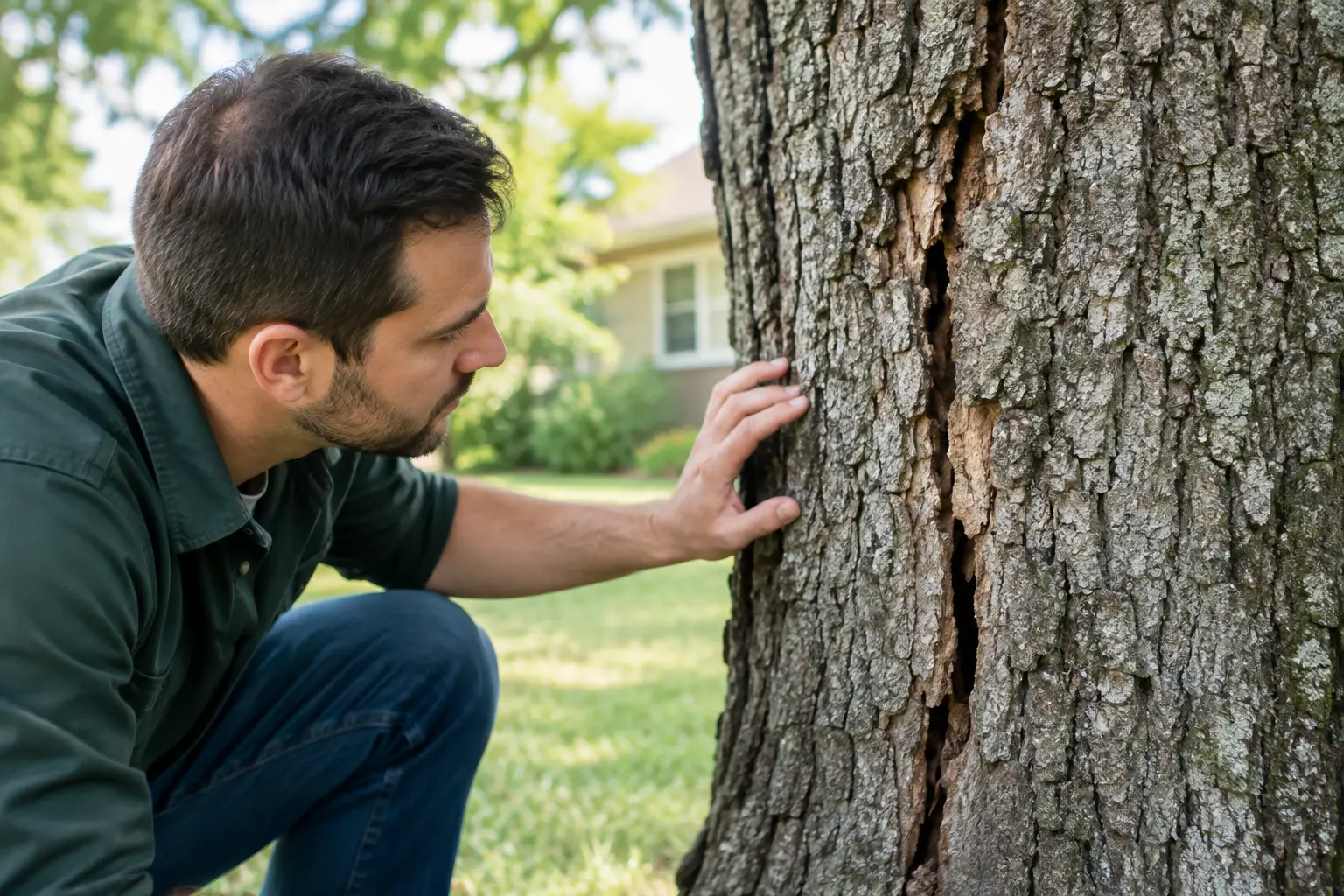
Are tree cracks dangerous? Learn which trunk splits signal a hazard, what causes them, and when Lafayette homeowners should call a nearby tree profes…
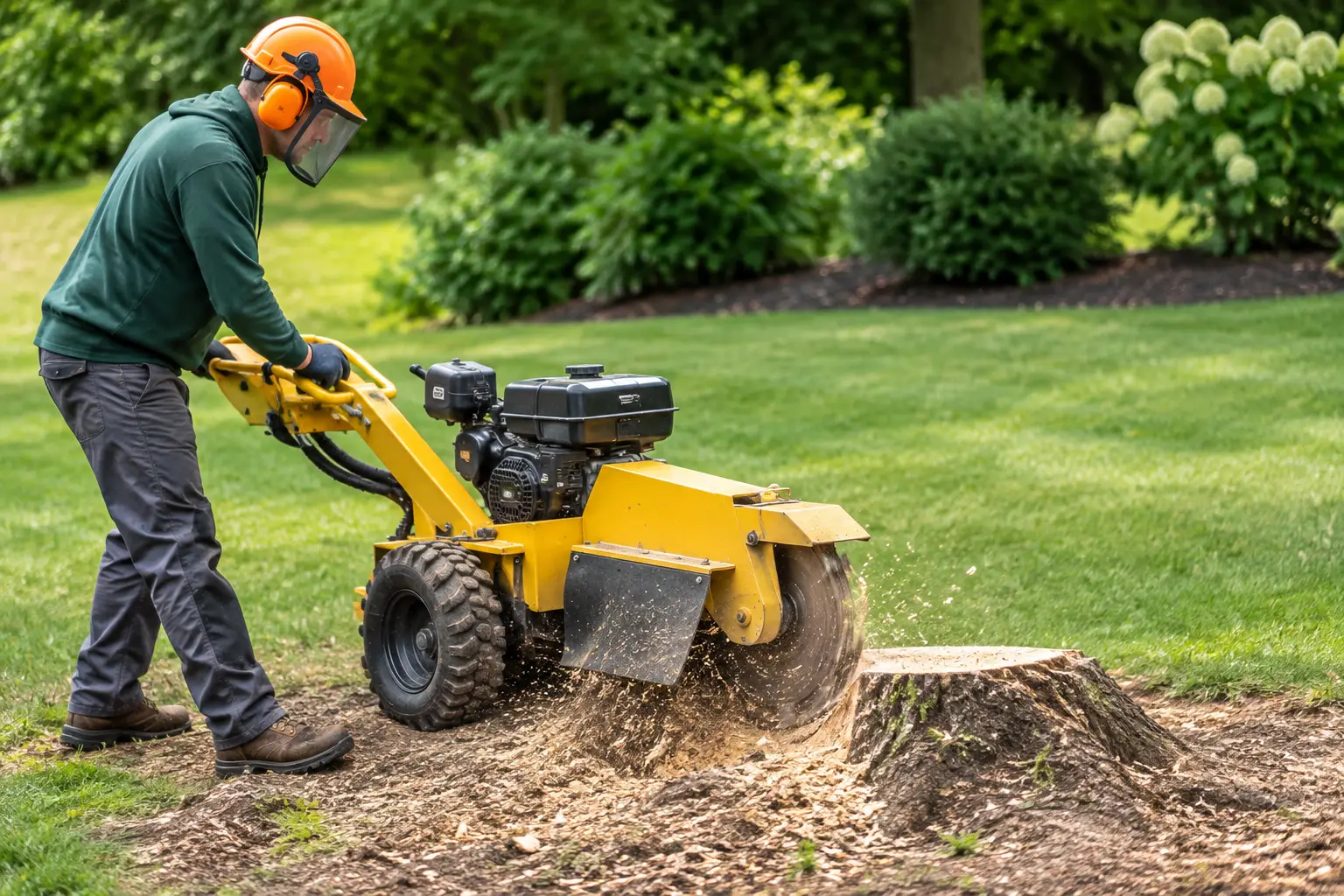
See five benefits of stump grinding, from safer yards and fewer pests to easier landscaping and a cleaner finish for your Lafayette property after re…
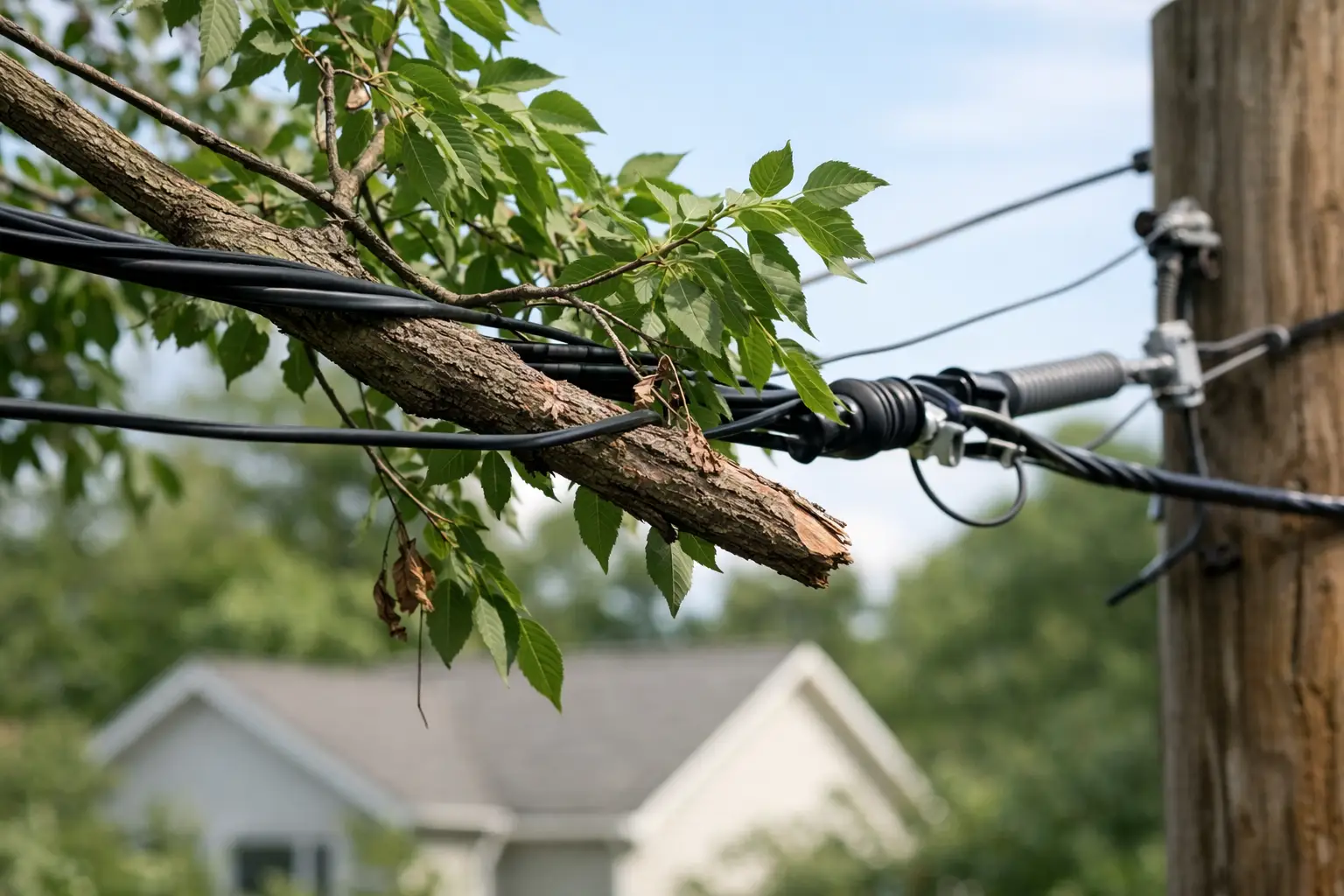
Branches touching power lines safety starts with distance: learn what to do, when to call the utility, and how to protect your Louisiana home and yar…
Tell us about your trees and we'll get back to you, usually the same day.
“They were prompt for the actual survey and gave a fair estimate. Crew showed up and did the job ahead of planned date and did an amazing job.”
Loading the quote form…
Form not showing? Open the quote form or call (337) 568-2739.
Get a free, no-obligation estimate from Lafayette's locally owned tree service.