

10 Signs of a Hazardous Tree Around Your Home
Learn the signs of a hazardous tree, what raises risk in Louisiana weather, and when to call a professional for a safe property assessment near you n…
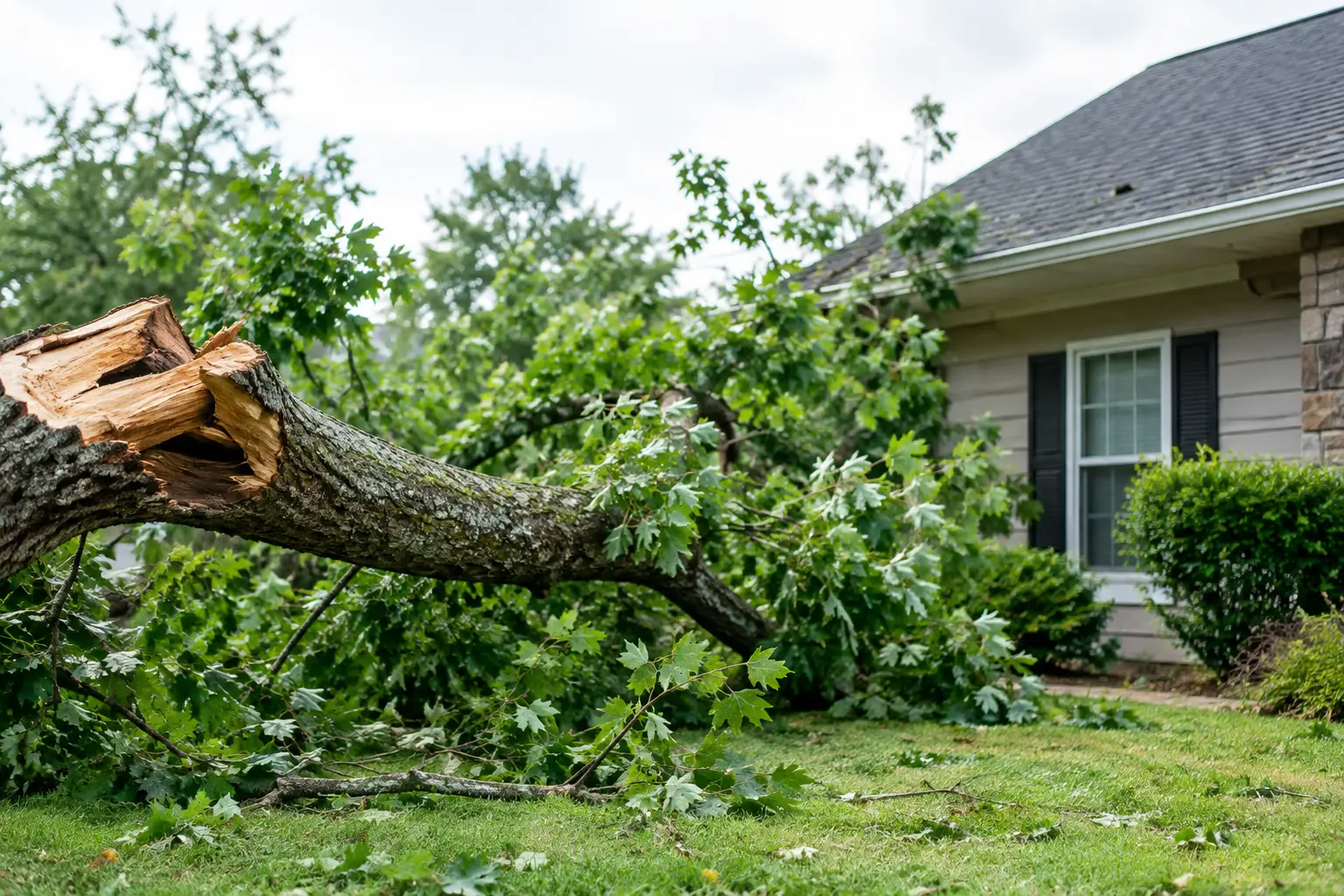
A heavy limb across the driveway is easy to spot. The smaller mess often causes the bigger problem: branches packed into a gutter, vines pulling on a fence, or storm debris hiding a cracked limb overhead. Tree debris hazards can turn a normal yard cleanup into a property-damage or personal-injury risk, especially after the high winds and heavy rain common across Lafayette and Acadiana.
Fallen leaves, twigs, limbs, bark, and seed pods are part of living near mature trees. Most can be handled with regular yard maintenance. The concern begins when debris affects a structure, blocks water flow, creates an obstacle, or points to a tree that may be failing.
For example, a limb resting on a roof can scrape shingles, damage flashing, and hold moisture against the roofline. A gutter filled with leaves and small branches may overflow during the next downpour, sending water behind fascia boards or toward the foundation. A pile of branches near an outdoor unit can limit airflow and make routine service more difficult.
Debris can also be a warning sign. Dead wood dropping without a storm, large pieces of bark at the base of a trunk, or repeated limb failure may indicate decay, disease, pest activity, or structural weakness. Removing what fell is useful, but understanding why it fell helps prevent the next failure.
South Louisiana weather can change the condition of a tree quickly. Saturated soil reduces the root system's grip, strong winds place unusual force on long limbs, and repeated rain adds weight to dense canopies. A tree may remain standing after a storm while still having cracked limbs, uprooted roots, or weakened attachments that are not obvious from the ground.
Do not assume a tree is safe because it did not fall. Look for fresh splits in major limbs, branches hanging in the canopy, soil lifting around the trunk, newly exposed roots, or a trunk that appears to lean more than before. Keep people, vehicles, and pets out from beneath any suspect area.
Power lines change the situation immediately. Never touch a branch that is in contact with or close to a line, and do not attempt to pull it free with a rope, pole saw, ladder, or equipment. Treat all lines as energized, keep the area clear, and contact the utility provider or a qualified tree professional for the appropriate next step.
A limb that seems manageable when dry can become surprisingly heavy after hours of rain. Wet leaves add weight, and a branch may be under tension where it landed. Cutting the wrong section can cause the branch to shift, spring upward, roll, or drop unexpectedly.
This is why chainsaw work after a storm is not a simple cleanup task. The person making the cut needs to understand compression, tension, the branch's support points, and the direction it may move. If a limb is elevated, lodged in another tree, resting on a fence, or touching a structure, it is safer to leave it in place until it can be assessed properly.
Rooflines and gutters should be checked first once conditions are safe. Leaves, pine straw, and small sticks trap water in gutters and downspouts. Over time, that backup can stain siding, contribute to wood rot, and create drainage problems around the home. Avoid walking on a wet roof or using a ladder near unstable limbs. Ground-level visual checks can identify whether professional cleaning is needed.
Driveways, walkways, and entry areas also deserve attention. A branch pile can hide uneven pavement, nails, sharp splinters, or slick leaves. Low-hanging limbs at eye level are a common hazard around paths, gates, and play areas. Pruning for clearance improves daily safety without removing healthy tree structure unnecessarily.
Fences, sheds, patios, and outdoor kitchens are vulnerable because even a moderate-sized limb can dent, crack, or shift them. If debris is resting on a fence, do not drag it away blindly. The weight may be holding a damaged section in place, and pulling it can worsen the damage.
Drainage areas matter just as much. Ditches, swales, French drains, and curbside inlets need to stay open during heavy rain. A buildup of leaves and branches can redirect water into the yard or toward the house. Clearing loose material carefully is sensible, but avoid working near unstable trees or under hanging branches.
If the debris is small, fully on the ground, and well away from utilities, roofs, and overhead limbs, basic cleanup can usually be done with gloves, sturdy shoes, and simple hand tools. Work in daylight, keep children and pets clear, and avoid lifting more than you can safely carry. Place branches in manageable bundles rather than creating one large, difficult pile.
A quick visual inspection of the tree is worthwhile before cleanup begins. Stand back far enough to view the whole canopy and trunk. Notice whether the broken branch came from dead wood, whether other limbs look cracked, and whether the trunk or roots show new damage. Take photos from the ground if you want a professional opinion later.
Stop and call for help when debris is large, tangled, elevated, close to a house, resting on a roof or fence, near electrical equipment, or connected to a damaged tree. The same applies when you see a split trunk, exposed roots, hanging limbs, or a tree that has shifted after a storm. These conditions require equipment, planning, and controlled cutting techniques that reduce the risk to people and property.
Tree debris removal is not simply about making a pile disappear. A careful crew considers access routes, landscape beds, irrigation components, fences, vehicles, and nearby structures before moving heavy material. The goal is to remove the hazard without creating ruts, broken plants, or additional damage during the process.
When a damaged limb must be removed from height, the work may involve sectional lowering, rigging, or controlled cuts. This keeps material from dropping freely onto the roof, driveway, or lawn. If the tree has a weak union or a limb with long-term structural concerns, cabling and bracing may be considered in some cases. It depends on the tree's condition, location, and value to the landscape. Removal is not always the right answer, but leaving a serious defect unaddressed is rarely a good plan.
Complete cleanup matters, too. Fine twigs, sawdust, and hidden debris can make a property look unfinished and can continue to clog drains or damage mower blades. A professional job should leave the affected area clear, usable, and ready for the next stage of repair or routine landscape care.
The best time to address weak limbs is before they become storm debris. Regular pruning removes dead, diseased, rubbing, or poorly attached branches while improving canopy balance and clearance over homes, driveways, and utility areas. Proper pruning is selective. Cutting too much at once can stress a tree, encourage weak regrowth, and leave it more vulnerable in the long run.
Pay particular attention to mature trees near structures. Large limbs extending over a roof, low branches over a driveway, and trees with visible cavities or old storm wounds should be evaluated periodically. Young trees also benefit from early structural pruning because small corrections are easier and less costly than major work years later.
After significant weather, give your property a second look when the ground has dried and visibility is better. A small crack noticed early may be far easier to manage than a major branch failure during the next storm. For homeowners in Lafayette and nearby communities, Apex Tree Care can assess damaged trees, remove hazardous debris safely, and help keep the yard clean and ready to use again.

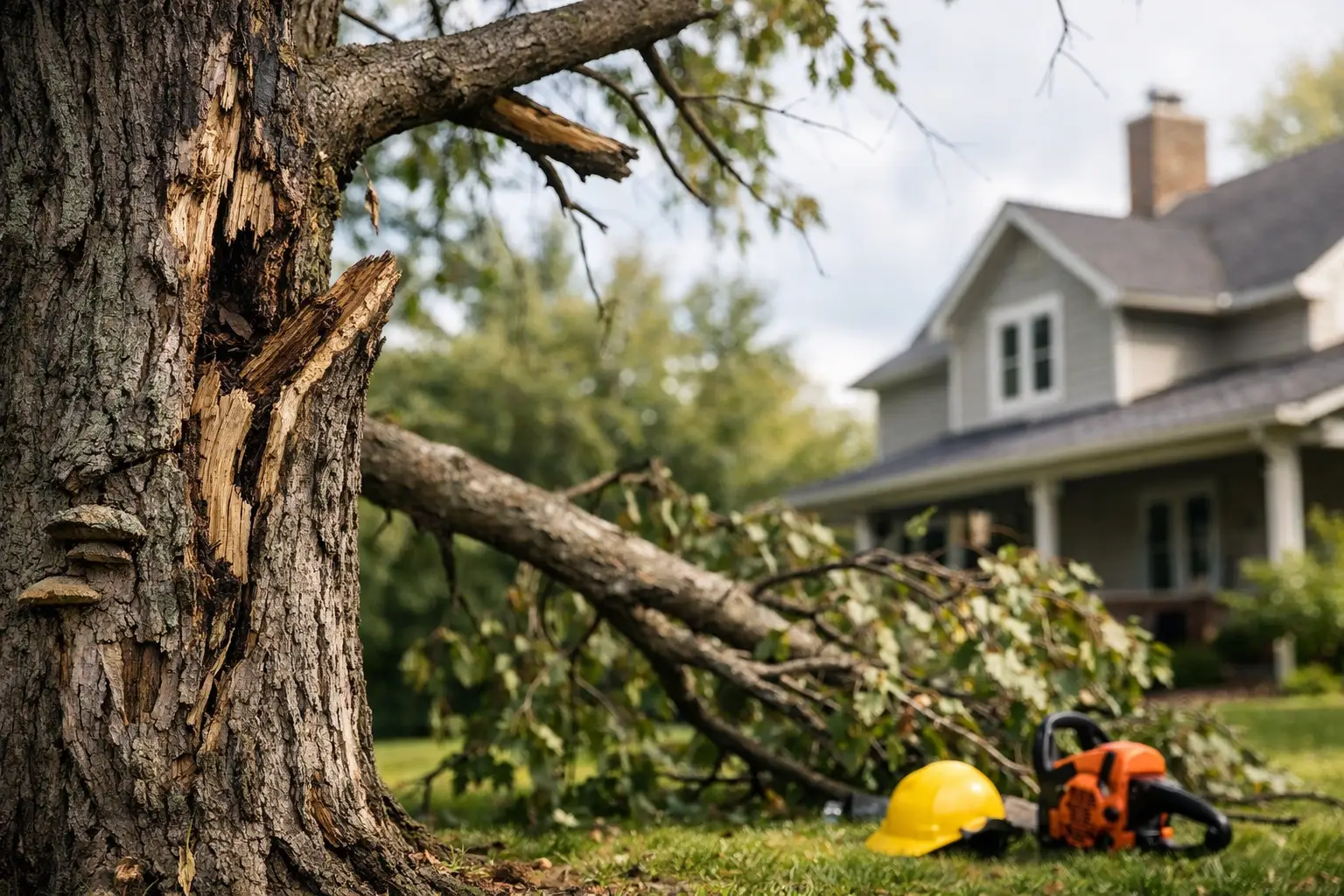
Learn the signs of a hazardous tree, what raises risk in Louisiana weather, and when to call a professional for a safe property assessment near you n…
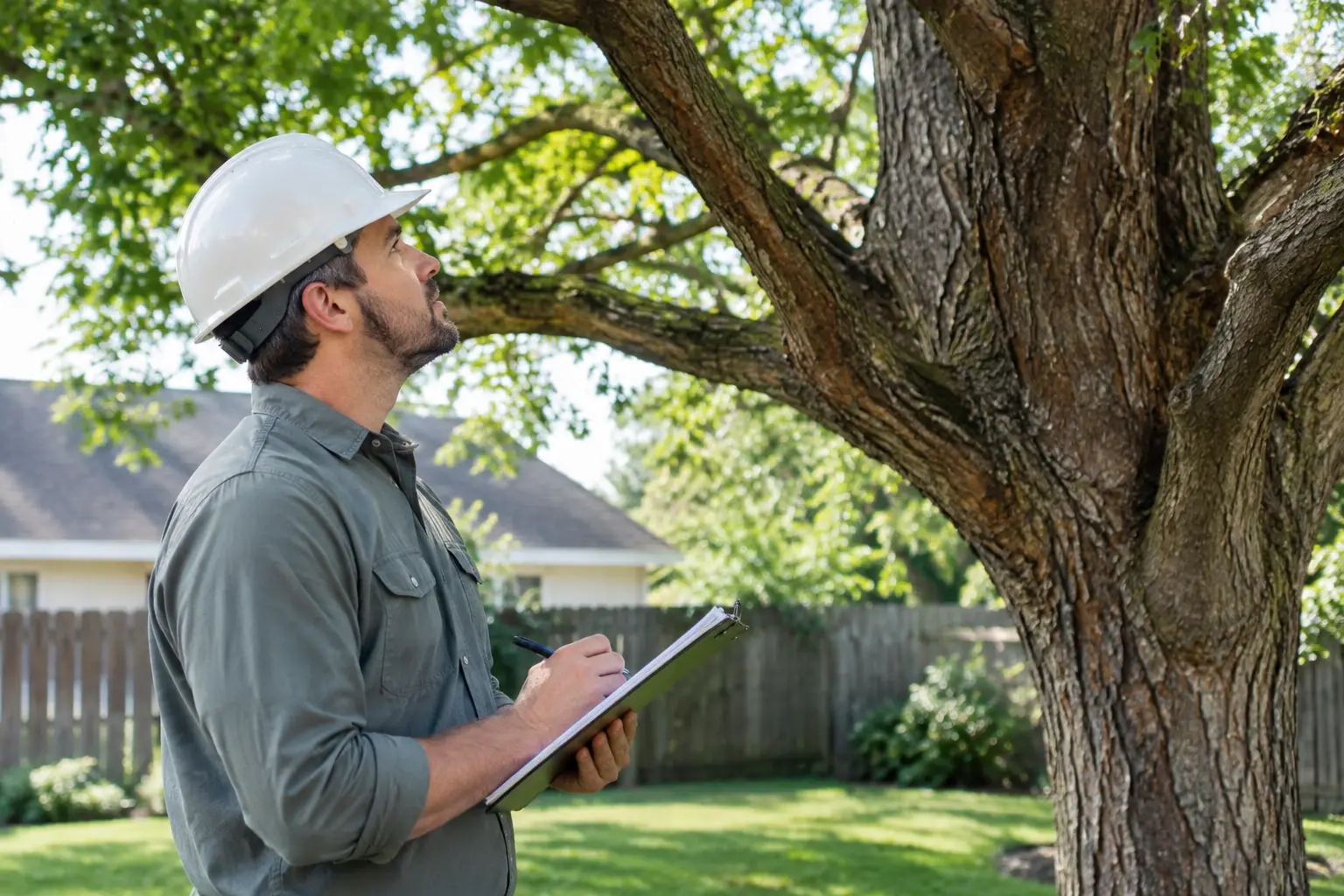
Use this tree maintenance safety checklist to spot hazards, protect your home, and know when a trained Louisiana crew should take over for safe work.
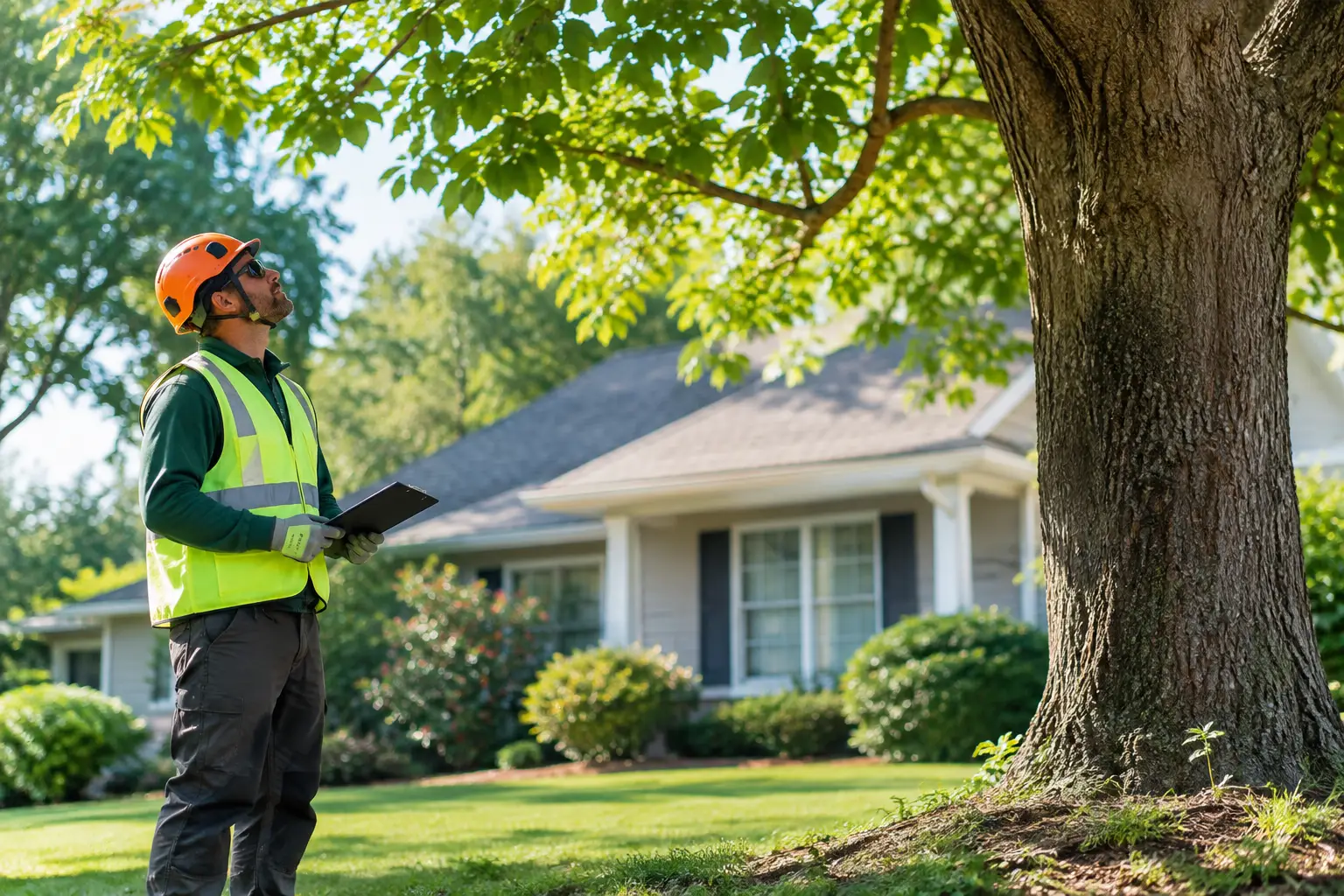
Tree safety starts with spotting hazards early. Learn when to prune, remove, or support trees to protect your Lafayette home, family, and yard safely.
Tell us about your trees and we'll get back to you, usually the same day.
“They were prompt for the actual survey and gave a fair estimate. Crew showed up and did the job ahead of planned date and did an amazing job.”
Loading the quote form…
Form not showing? Open the quote form or call (337) 568-2739.
Get a free, no-obligation estimate from Lafayette's locally owned tree service.