

10 Signs of a Hazardous Tree Around Your Home
Learn the signs of a hazardous tree, what raises risk in Louisiana weather, and when to call a professional for a safe property assessment near you n…
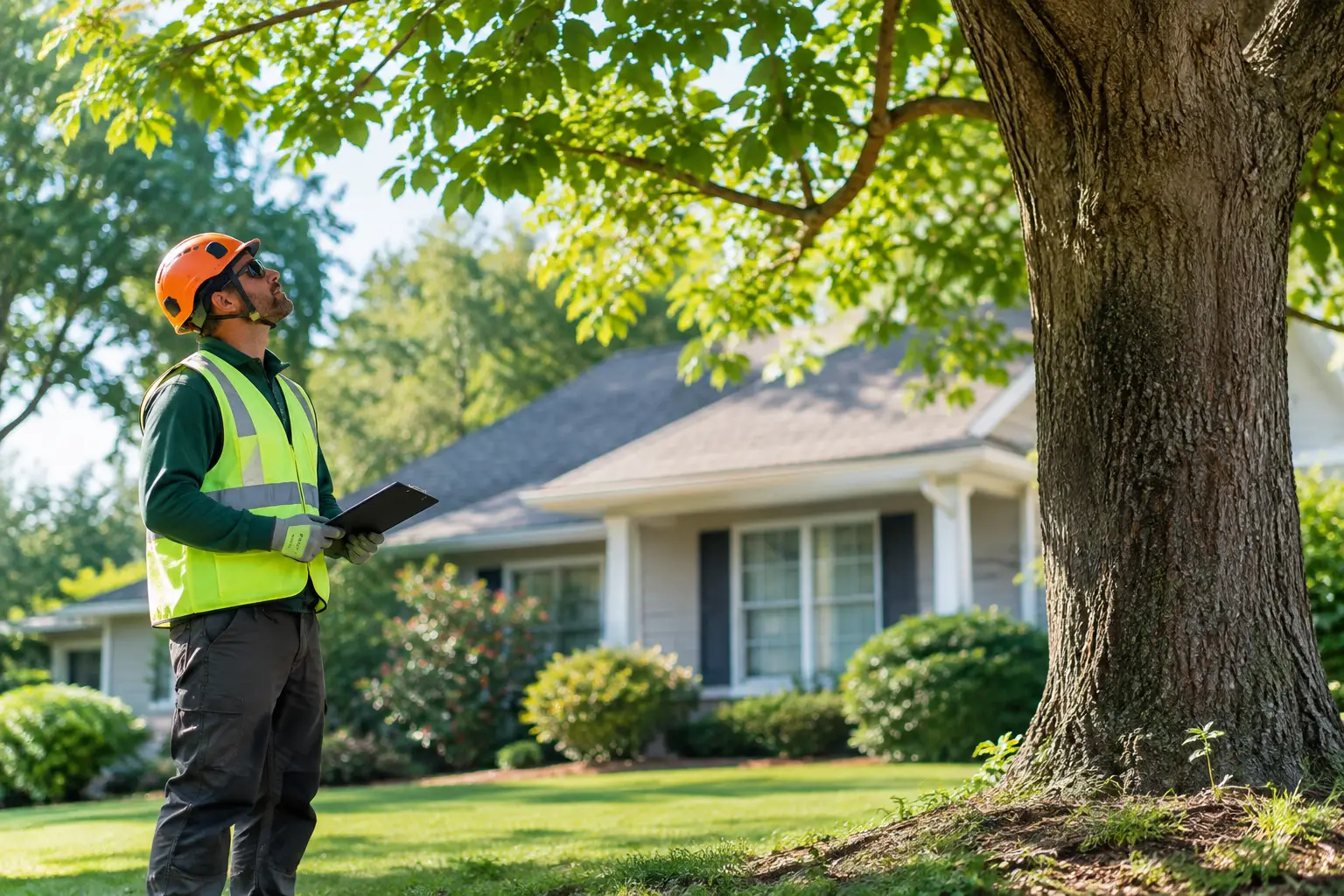
A heavy limb over a driveway may look harmless on a calm afternoon. After a hard Louisiana rain, saturated soil and wind can turn that same limb into a real threat to vehicles, roofs, fences, and anyone below. Tree safety is not about removing every mature tree from your yard. It is about knowing which warning signs need attention before weather or decay makes the decision for you.
For homeowners in Lafayette and surrounding Acadiana communities, trees add shade, privacy, and character. They also grow close to homes, outdoor living spaces, utility areas, and property lines. A practical approach to inspection and maintenance helps protect what you value while preserving healthy trees whenever possible.
Many tree problems reveal themselves near the trunk and root zone before branches begin falling. Walk your property after extended rain, strong wind, or any major change in the tree's appearance. Look from a distance first, then inspect the ground around the base without climbing, pulling on branches, or disturbing exposed roots.
A tree needs a stable root system to withstand wind. Fresh soil cracks, lifted roots on one side of the trunk, or a newly leaning tree can indicate movement below ground. Mushrooms or decay near the base can also be a concern, particularly when they appear alongside soft, hollow, or damaged wood. Not every fungus means a tree will fail, but it is worth a professional assessment when the tree could reach a home, driveway, play area, or neighboring property.
Pay attention to these common warning signs:
The location of the defect matters as much as the defect itself. A small cavity in a tree located well away from people and structures may call for monitoring. A similar issue on a tree hanging over a bedroom, fence, or busy driveway deserves a faster response.
Proper pruning is one of the most effective ways to reduce routine risk. Removing deadwood, thinning selected crowded limbs, and establishing clearance from roofs and walkways can lower the chance of branch failure. It also gives the tree a more balanced structure and allows homeowners to spot developing issues sooner.
However, cutting more is not always safer. Topping a tree, removing large amounts of live canopy, or making random cuts can create weak new growth and stress the tree. Those fast-growing shoots are often poorly attached, which can create bigger problems later. A healthy-looking tree can be made less stable by aggressive trimming.
The right pruning plan depends on the species, age, condition, and placement of the tree. A young ornamental tree may need structural pruning to encourage a strong shape. A mature oak may need selective deadwood removal and roof clearance. A tree with significant decay or a split trunk may not be a pruning candidate at all. In that case, removal or structural support may be the more responsible option.
Branches should not scrape roofs or rest on gutters. Beyond the risk of impact damage, constant contact can wear roofing materials and create a path for pests. Keeping reasonable clearance above patios, play areas, gates, and driveways also makes everyday use of the property safer.
If a limb is touching, leaning toward, or tangled in a utility line, keep people away and contact the utility provider or a qualified tree professional. Do not use a ladder, pole saw, rope, or pruning tool near power lines. Electricity can travel through wet wood, equipment, and the ground in ways that are not obvious from below.
This is especially urgent after a storm. A downed wire may be energized even when it appears inactive. Keep children, pets, and vehicles away from the area, and report the issue promptly.
Acadiana weather can bring intense rain, high winds, and fast-moving storms. While no amount of maintenance can guarantee that a tree will not fail, preparation reduces preventable risks. Schedule inspections before peak storm periods rather than waiting until a damaged limb is already suspended over your yard.
Storm preparation often includes removing dead or compromised branches, checking trees with previous damage, evaluating co-dominant trunks, and clearing limbs from structures. Trees that have lost major limbs in past storms deserve particular attention. Their remaining structure may carry hidden cracks, decay, or an uneven canopy load.
After a storm, resist the urge to immediately start cutting. Broken limbs can be under tension, trees can shift unexpectedly, and damaged branches may be caught overhead. Stay clear of hanging limbs and keep the area beneath them empty. Take photos from a safe distance for documentation, then arrange an on-site evaluation if the tree is near something that could be damaged.
Tree removal is not a failure of maintenance. Sometimes it is the clearest way to protect a home and the people around it. A dead tree, a severely decayed trunk, a tree with a major structural split, or a tree that has become unstable near a structure may need to come down before it causes damage.
Safe removal is more involved than simply cutting at the base. The crew must consider lean, weight distribution, drop zones, nearby roofs, landscaping, access points, fences, and utility areas. In tight residential spaces, professionals may remove the tree in controlled sections rather than dropping it in one piece. This approach takes planning and specialized equipment, but it protects surrounding property.
Stump grinding is also worth considering after removal. A low stump can create a tripping hazard, interfere with mowing, attract pests as it decays, and limit how you use the space. The best choice depends on your plans for the yard. If you want to replant, expand a patio, or restore a clean lawn area, removing the stump helps create a usable finish.
Cabling and bracing can help certain trees with weak limb unions, split leaders, or branches that need supplemental support. These systems are designed to reduce movement and distribute stress. They can be a good option for a valued tree that is otherwise healthy enough to retain.
Support hardware is not a substitute for a sound tree. A tree with extensive internal decay, severe root failure, or a major active split may be too compromised for cabling to provide dependable protection. An arborist should evaluate the condition of the wood, the structure of the tree, and the target beneath it before recommending support.
When installed appropriately, a support system should be inspected over time. Trees continue to grow, hardware can need adjustment, and new defects can develop elsewhere in the canopy. Ongoing maintenance matters as much as the initial installation.
Regular property awareness goes a long way. You can keep mulch from piling against the trunk, avoid damaging roots with trenching or repeated soil compaction, and watch for changes after storms. When using mulch, spread it in a broad, shallow layer rather than creating a mound against the bark. The root flare at the base of the trunk should remain visible.
For small, reachable branches well away from power lines, roofs, and ladders, basic cleanup may be reasonable. The line is clear: once work involves climbing, heavy limbs, chainsaws overhead, uncertain tree stability, or limited room to drop material, it is time to call a professional. The cost of expert help is small compared with the risk of injury or major property damage.
Apex Tree Care can assess hazardous trees, recommend precision pruning, provide cabling and bracing where appropriate, and complete removal with full debris cleanup. A site-specific evaluation gives you a clearer answer than guessing from the ground.
The safest time to address a tree concern is when the yard is calm, the tree is still standing, and you have room to make a careful decision. If something about a tree has changed, trust that observation and have it checked before the next storm tests it.

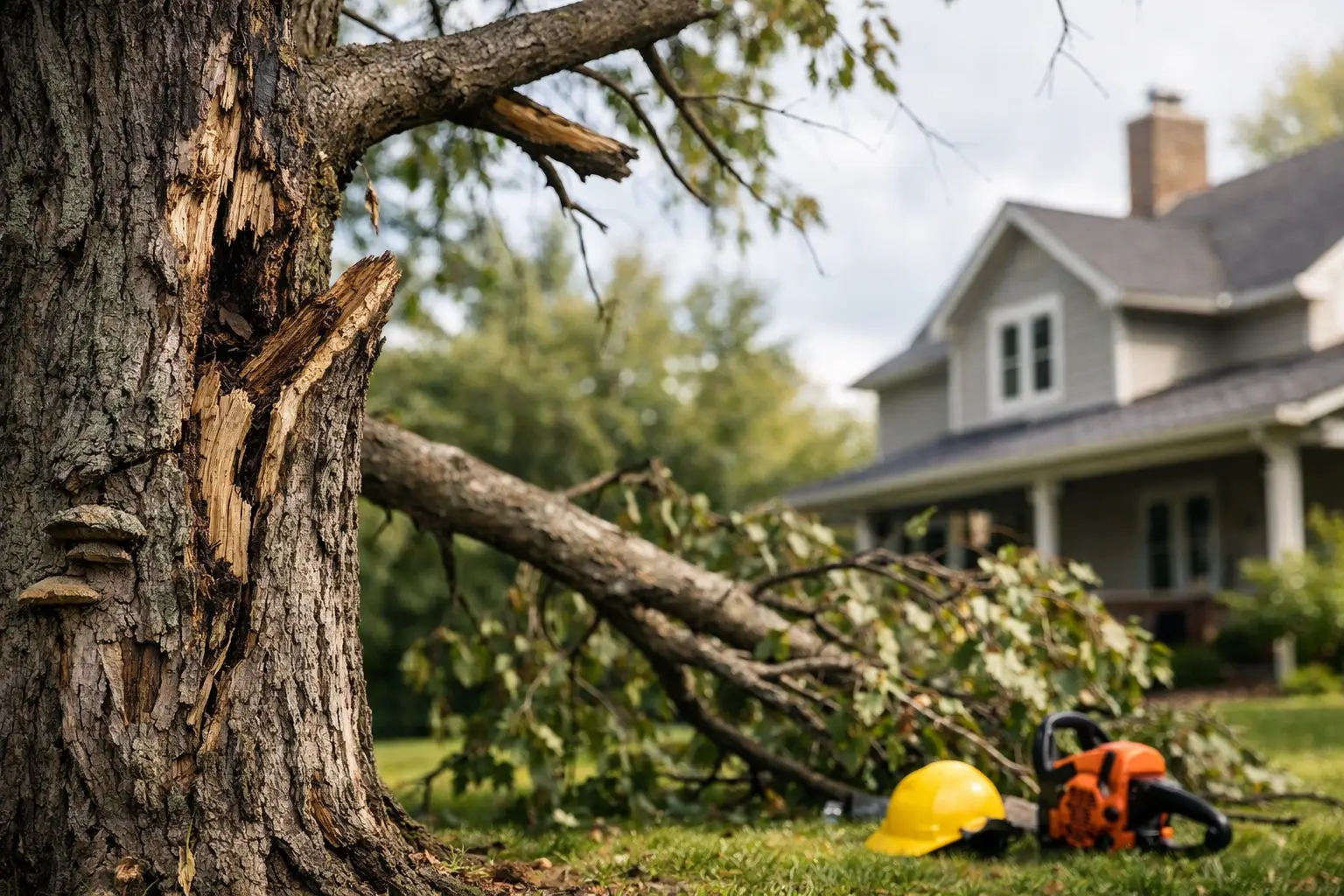
Learn the signs of a hazardous tree, what raises risk in Louisiana weather, and when to call a professional for a safe property assessment near you n…
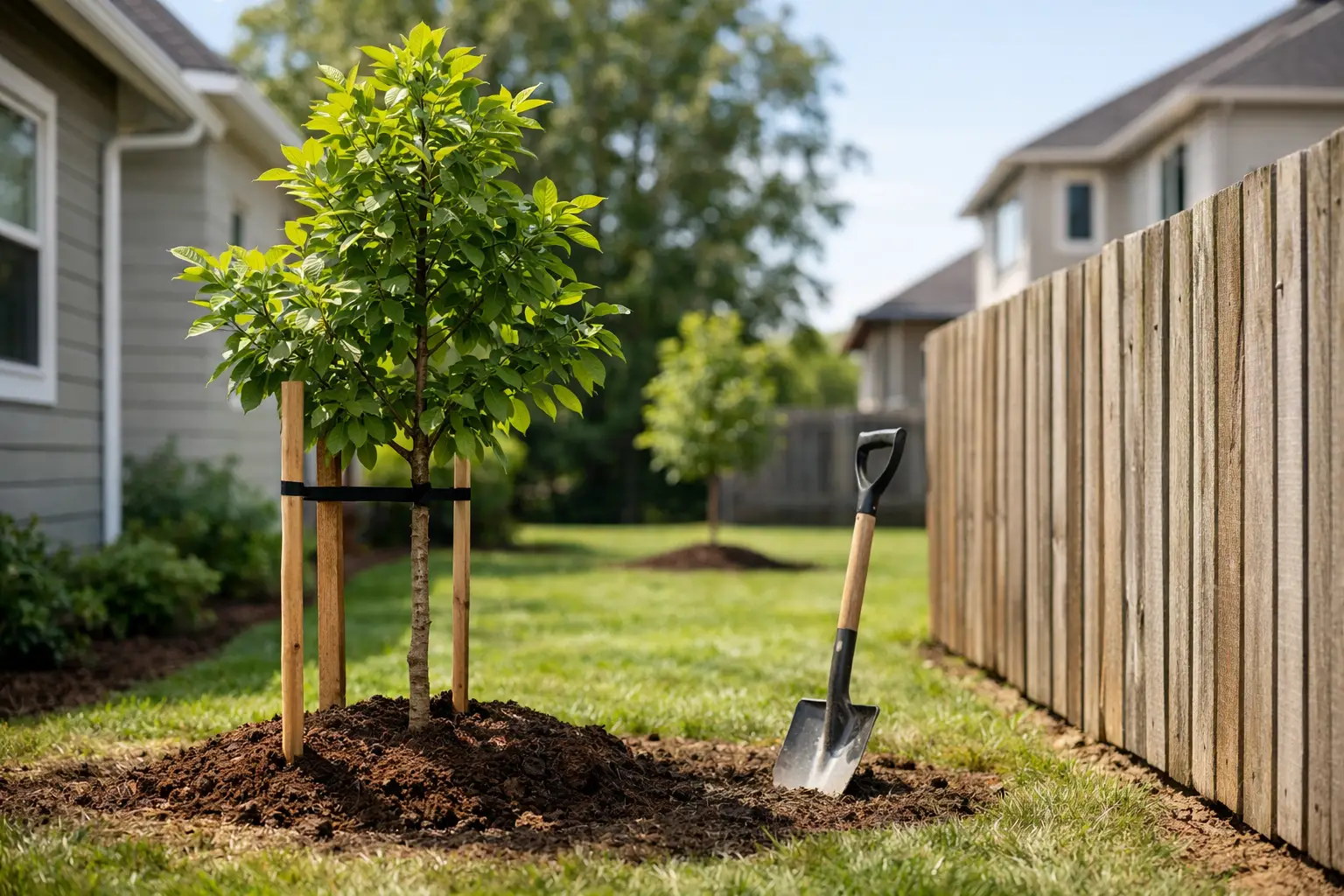
Learn how far to plant trees from homes, fences, driveways, and utilities in Louisiana, with spacing tips that protect your property as trees grow sa…
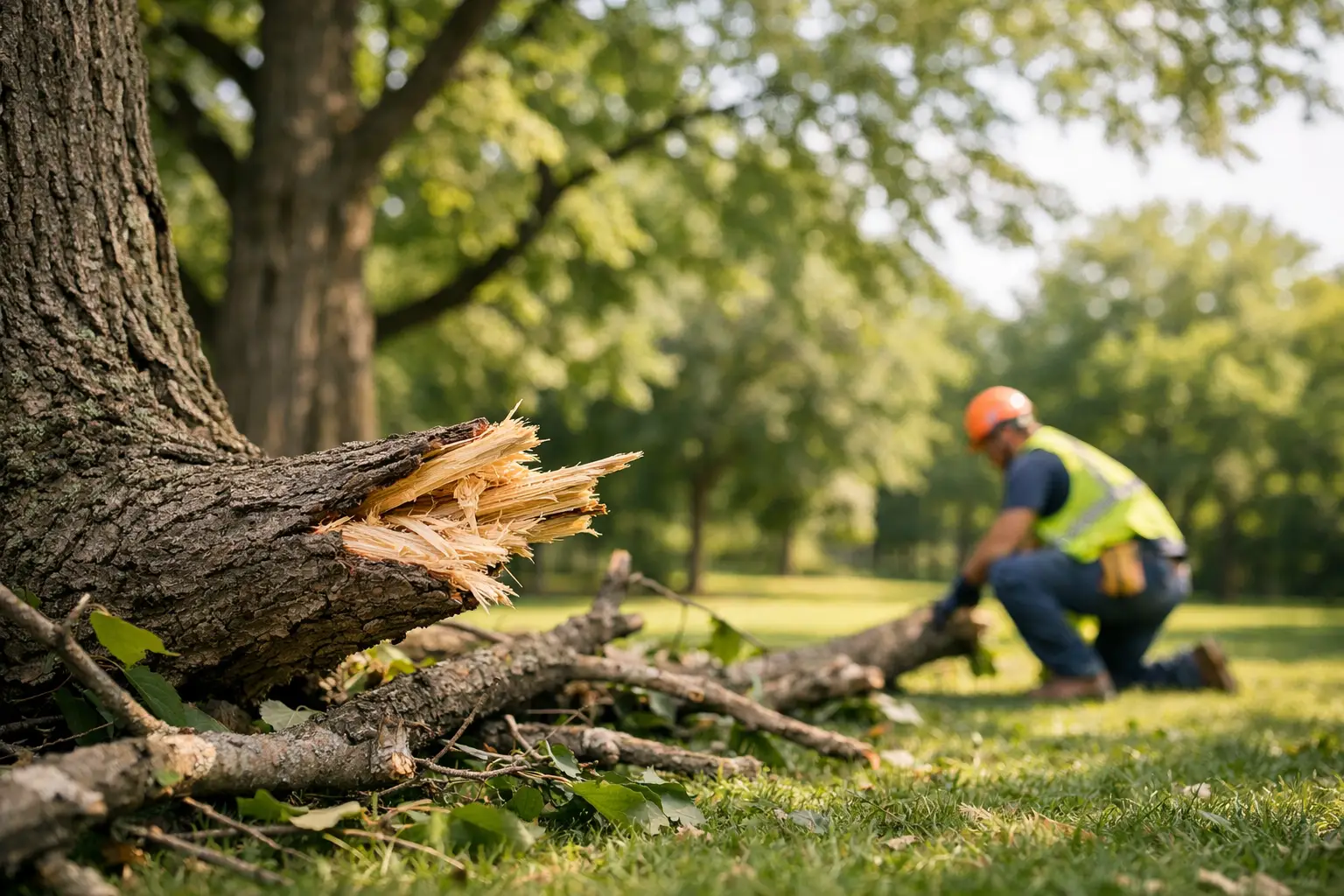
Why trees lose branches in Louisiana yards, what falling limbs can signal, and when professional pruning or removal can protect your home and family…
Tell us about your trees and we'll get back to you, usually the same day.
“They were prompt for the actual survey and gave a fair estimate. Crew showed up and did the job ahead of planned date and did an amazing job.”
Loading the quote form…
Form not showing? Open the quote form or call (337) 568-2739.
Get a free, no-obligation estimate from Lafayette's locally owned tree service.