

Branches Touching Power Lines Safety at Home
Branches touching power lines safety starts with distance: learn what to do, when to call the utility, and how to protect your Louisiana home and yar…
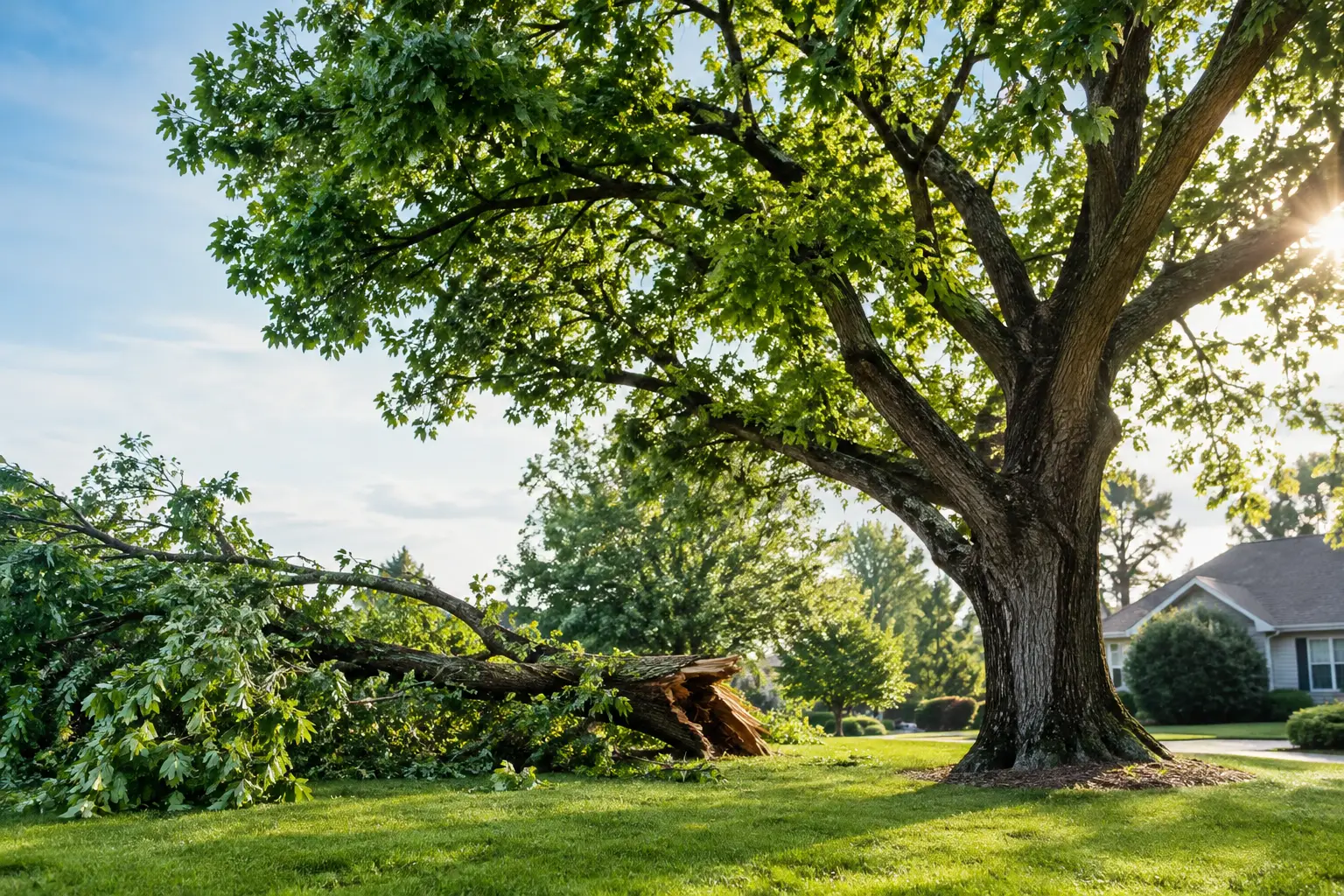
A strong Gulf Coast storm can turn a quiet backyard into a property hazard in a matter of minutes. Storm resilience begins well before the forecast calls for high winds or heavy rain. For homeowners in Lafayette and nearby Acadiana communities, it often starts with knowing which trees can handle the next storm and which ones need professional attention now.
Trees add shade, beauty, and value to a home, but they also carry real weight. A hanging limb over a roof, a decaying trunk near a driveway, or roots in saturated soil can create serious risk when wind and rain arrive together. Practical tree care helps reduce that risk while preserving the healthy trees that make a property feel established and inviting.
Storm resilience is a tree's ability to withstand weather stress without failing, dropping major limbs, or causing damage to people and property. It is not simply about having smaller trees or cutting everything back. A healthy, well-structured mature tree may be far more stable than a neglected tree that has been repeatedly topped, poorly pruned, or allowed to develop weak branch connections.
In south Louisiana, resilience is affected by more than wind speed. Extended rain can soften the ground and reduce root support. Sudden gusts put pressure on long, heavy limbs. Lightning, previous storm damage, insects, disease, and hidden decay can weaken a tree long before there is an obvious problem at ground level.
The goal is not to make a yard bare. The goal is to identify preventable hazards, improve a tree's structure where possible, and remove trees that cannot be made reasonably safe.
Homeowners do not need to climb a ladder or inspect a canopy to recognize warning signs. Walk your property after a period of rain and look at trees near the home, garage, fence, outdoor living area, driveway, and utility space. Pay attention to changes, especially on trees that have been through previous storms.
A tree deserves a closer professional assessment when you see fresh cracks in the trunk, peeling bark with soft or hollow areas beneath it, mushrooms or fungal growth around the base, or visible cavities. A trunk that splits into multiple large stems can also be a concern, particularly when the stems form a narrow V-shaped connection. These unions may hold for years, then separate under wind load.
Look at the soil and roots as well. Raised soil on one side of the tree, newly exposed roots, a widening gap between the trunk and ground, or a tree that has begun leaning after rain can indicate instability. A natural lean is not always dangerous, but a recent change in position should never be ignored.
Dead branches are another clear warning sign. They may be brittle, leafless during the growing season, broken at the ends, or covered in loose bark. Even a relatively small dead limb can damage a vehicle, window, roof, or fence when it falls from height.
Proper pruning is one of the most effective ways to support storm resilience. The work is not about stripping out every interior branch or making a tree look aggressively trimmed. Excessive cutting can stress the tree, encourage weak new growth, and leave it more vulnerable over time.
Instead, precision pruning focuses on specific concerns: deadwood, broken limbs, branches that rub together, overextended limbs, and growth that hangs too close to roofs, walkways, driveways, or service lines. Selective reduction can decrease end weight on a limb while keeping the tree's natural form and leaf canopy intact.
Pruning also helps a tree distribute wind forces more evenly. Dense, unmaintained growth can act like a sail in high winds. Carefully thinning selected branches may allow air to move through the canopy without removing so much foliage that the tree loses its ability to produce energy.
Timing depends on the tree species, its condition, and the type of work needed. Dead or broken limbs should be addressed promptly. Routine structural pruning is often best planned before storm season, but a qualified tree care professional can recommend the right approach for the tree in front of you. Work should follow sound arboricultural practices and ISA standards rather than shortcuts such as topping.
Topping means cutting major branches or the upper portion of a tree back to stubs. It may seem like a fast way to lower a tree's height, but it commonly creates larger problems. The tree responds with fast-growing shoots that are weakly attached, and large pruning wounds can invite decay.
For a tree that has outgrown its location, selective reduction or removal is usually a safer long-term decision than topping. The right option depends on the tree's health, its structure, and how close it stands to your home or other targets.
Some structurally weak trees can be supported instead of removed. Cabling and bracing systems may help reduce movement between codominant stems or support a valuable limb with a known weak attachment. These systems are not a guarantee against failure, and they require an informed assessment plus periodic inspection. Still, when used on the right tree, they can be part of a thoughtful preservation plan.
Removal is the more responsible choice when a tree is dead, severely decayed, badly compromised by storm damage, or positioned where failure would likely strike a home, vehicle, or occupied area. It can also be necessary when roots have lost support, a trunk has a major crack, or a large tree is too close to utility equipment for safe homeowner maintenance.
This is where experience matters. Tree removal near a structure requires controlled cutting, professional equipment, strict safety measures, and a plan for lowering limbs without damaging the property below. A complete job also includes debris cleanup, leaving the yard usable rather than covered in brush and wood.
A tree's visible canopy gets most of the attention, but its roots determine whether it stays anchored. Root damage is often gradual and easy to miss. Construction activity, trenching, parked vehicles, soil compaction, and repeated changes in grade can all reduce root health and stability.
Avoid piling soil, mulch, or landscaping materials against the trunk. Keep mulch spread in a shallow ring rather than stacked like a mound. If you are planning a driveway addition, patio, drainage project, or new utility work, consider the nearby trees before work begins. Protecting the root zone is often easier and less expensive than responding to decline later.
Drainage also matters in Acadiana's wet conditions. Standing water may not bother every species, but repeated saturation can stress roots and reveal weaknesses in trees already affected by decay or root loss. If a tree consistently looks unhealthy after wet weather, an assessment can help determine whether the issue is drainage, disease, compaction, or a structural concern.
The best time to schedule tree work is before an urgent situation develops. Once a major storm is approaching, qualified crews are in high demand, weather conditions can limit safe work, and rushed decisions are more likely. A pre-storm plan gives you time to prioritize the hazards that matter most.
Start with trees that could reach the house, garage, fence, driveway, or high-use areas if they fail. Then consider limbs over roofs and branches near service drops or utility areas. Never attempt to trim around power lines yourself. Keep clear of the area and contact the appropriate utility provider if a line is damaged or down.
Take current photos of large trees and note any existing cracks, leans, or overhanging limbs. After a storm, those photos can make it easier to identify changes. If a branch falls but is not actively threatening a structure, keep people away from the area until it can be evaluated. If a tree is resting on a power line, stay well back and treat it as an emergency.
Apex Tree Care helps property owners make these decisions with on-site assessments, safe and efficient removal, precision pruning, structural support options, and full debris cleanup. The right recommendation should be specific to your tree, your property, and the level of risk involved, not a one-size-fits-all answer.
Storm damage can be unsettling, especially when limbs are scattered across the yard or a tree is hanging over a roof. But damaged trees can be unpredictable. Broken limbs may be under tension, trunks can split without warning, and saturated ground can make access difficult.
Keep children, pets, and vehicles away from damaged trees. Do not climb onto a roof to pull branches off, use a chainsaw from a ladder, or try to cut a limb that is bent, suspended, or caught in another tree. Those are situations where professional equipment and controlled cutting methods protect both people and property.
Not every storm-damaged tree needs to come down. Some need cleanup pruning, while others need monitoring or a structural support plan. A careful assessment can separate a recoverable tree from one that presents an ongoing hazard. That distinction protects your budget as well as your landscape.
A safer yard is built through steady attention, not panic after the first hard wind. Inspect the trees that matter most, address visible hazards early, and give healthy trees the care they need to stand strong through the next Louisiana storm season.

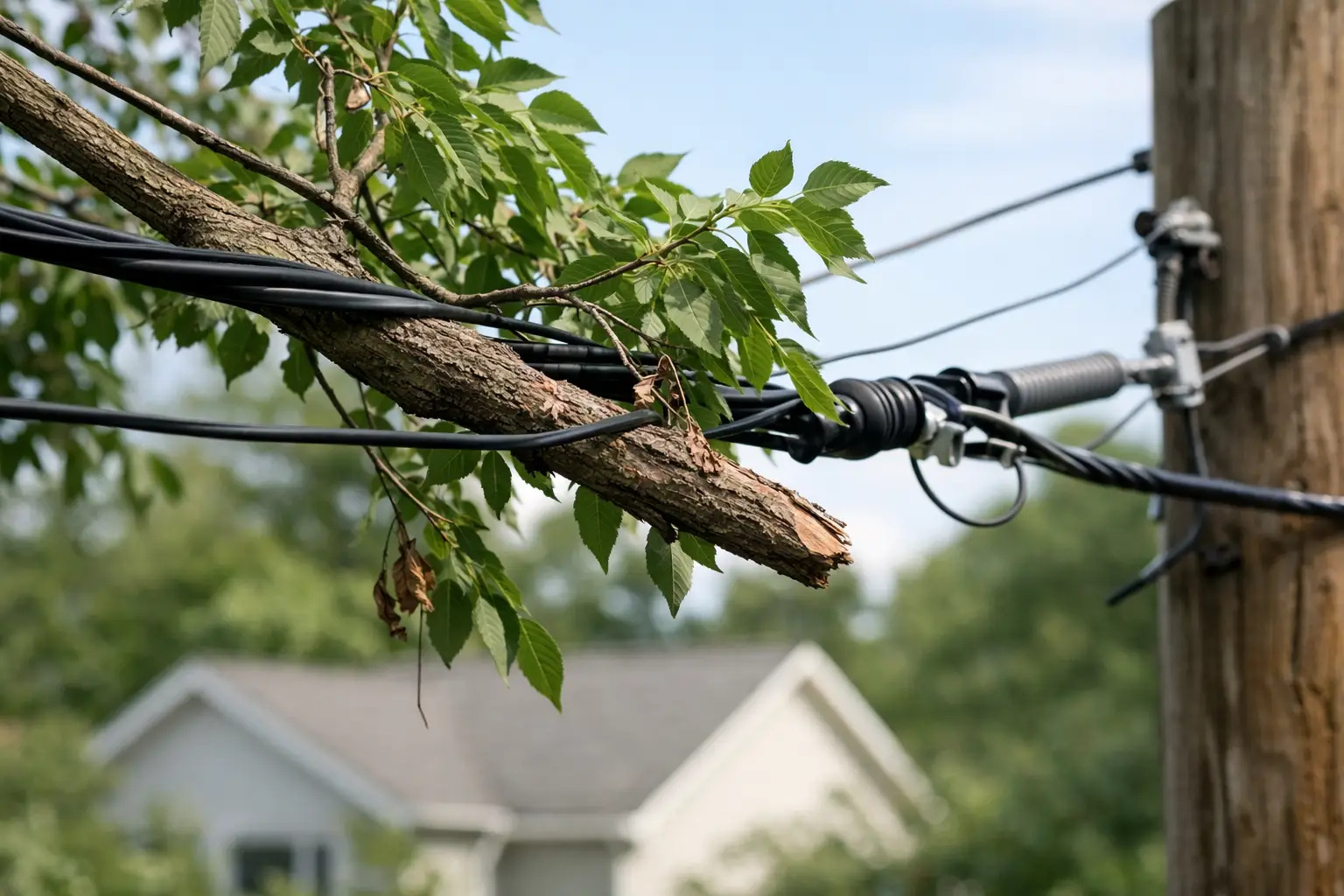
Branches touching power lines safety starts with distance: learn what to do, when to call the utility, and how to protect your Louisiana home and yar…
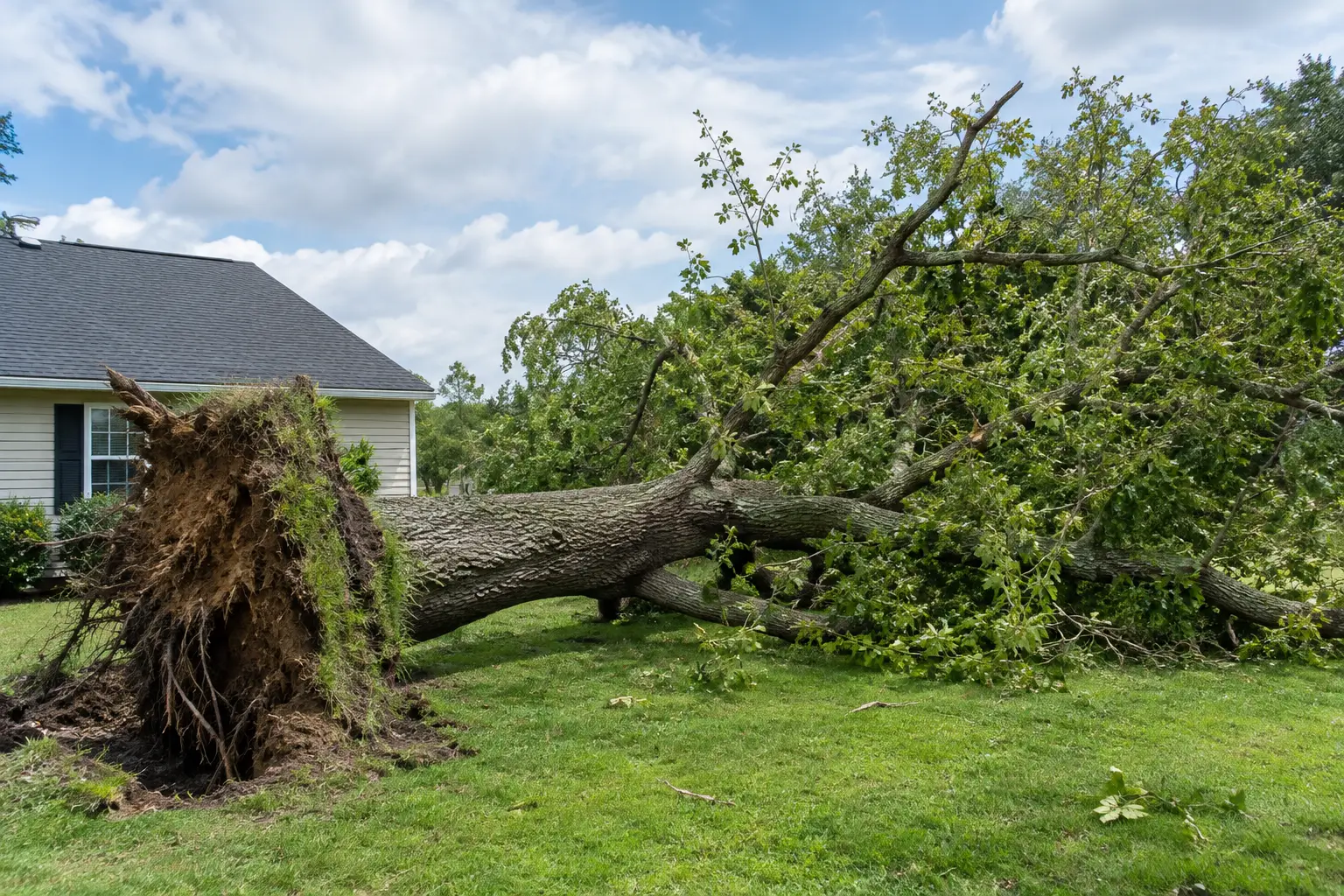
See a storm oak removal example from a Louisiana yard and learn how trained crews assess damage, protect homes, manage debris, and restore safe acces…
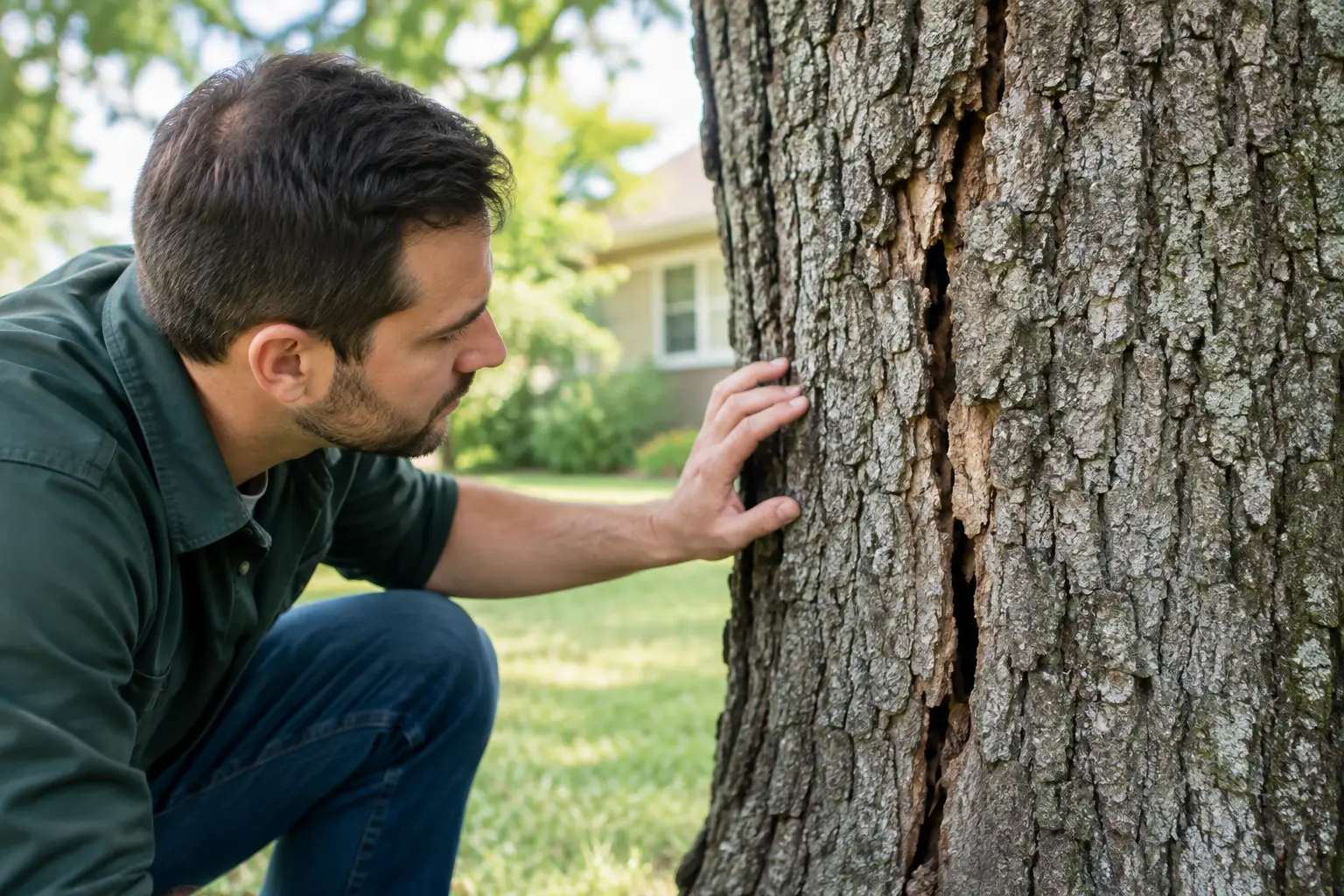
Are tree cracks dangerous? Learn which trunk splits signal a hazard, what causes them, and when Lafayette homeowners should call a nearby tree profes…
Tell us about your trees and we'll get back to you, usually the same day.
“They were prompt for the actual survey and gave a fair estimate. Crew showed up and did the job ahead of planned date and did an amazing job.”
Loading the quote form…
Form not showing? Open the quote form or call (337) 568-2739.
Get a free, no-obligation estimate from Lafayette's locally owned tree service.