

Arborist vs Landscaper: Which One Do You Need?
Arborist vs landscaper: learn who handles tree hazards, pruning, planting, and yard design so you can protect your Lafayette home and landscape safel…
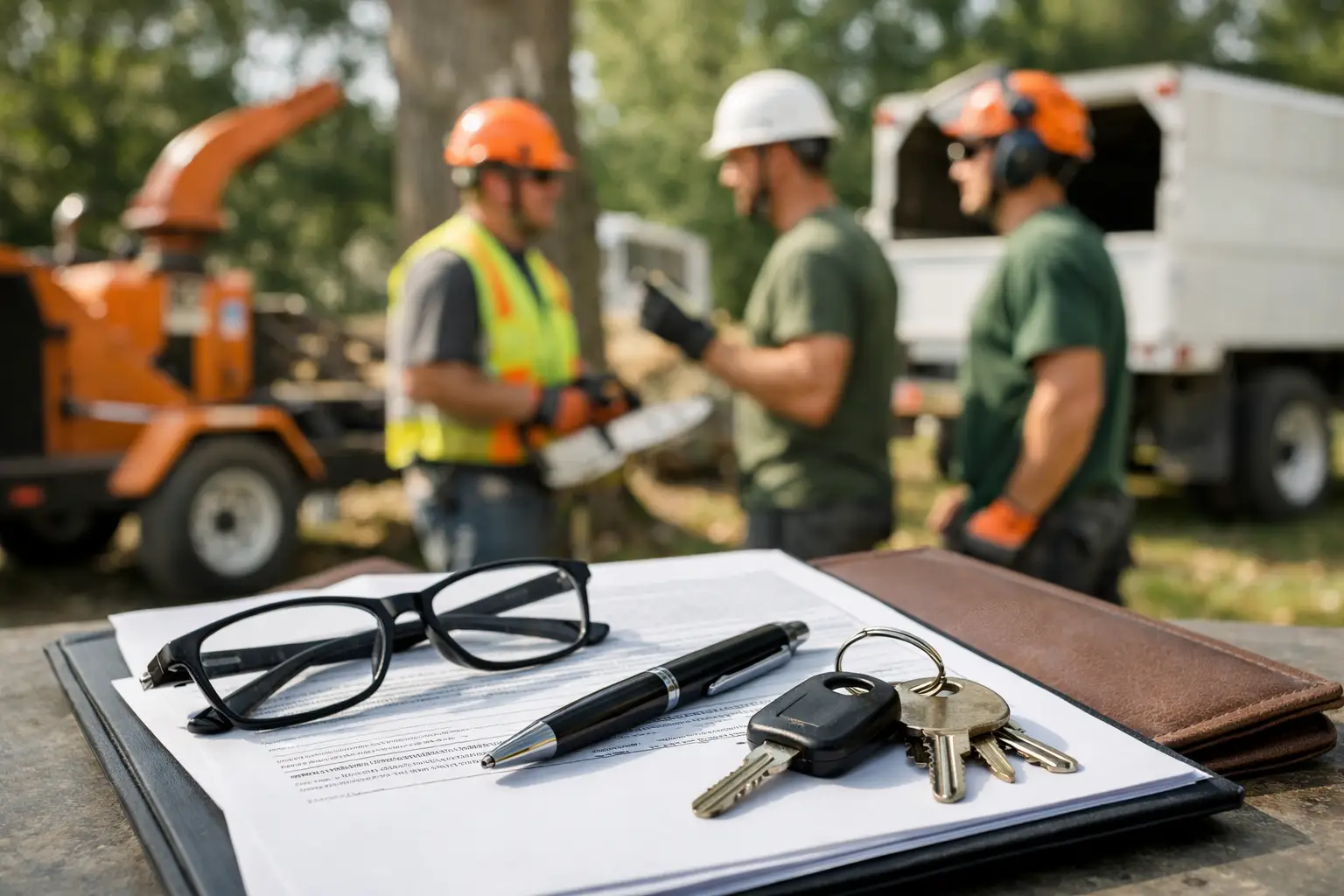
A dead pine leaning over a roof, a split limb above a driveway, or storm-damaged branches near a power line can make tree work feel urgent. It is urgent, but the fastest quote is not always the safest choice. Proper insurance is one of the first things a homeowner should verify before allowing a tree crew onto the property, especially when work involves climbing, rigging, heavy equipment, or trees close to valuable structures.
Tree removal and pruning are skilled jobs with real risks. A qualified crew plans the work, uses the right equipment, protects the drop zone, and cleans up thoroughly. Insurance is another essential layer of protection. It helps make sure an accident does not become the homeowner's financial problem.
Even straightforward-looking tree jobs can become complicated quickly. A branch may be under tension, a trunk may be hollow, or a tight backyard may leave little room to lower material. In Lafayette and across Acadiana, wet ground, high winds, saturated soil, and storm damage can add another level of uncertainty.
A professional tree company should carry insurance that reflects those risks. The right coverage is not a substitute for careful work, trained personnel, and strict safety measures. It is protection in the event that something unexpected happens despite a well-planned job.
For a homeowner, this matters because tree work takes place around the things you have worked hard to maintain: roofs, fences, vehicles, patios, landscaping, utility areas, and neighboring properties. If an uninsured or underinsured contractor damages one of those assets, collecting payment can be difficult. In some cases, a homeowner may have to turn to their own insurance policy first, which can create delays, deductibles, and unwanted claims history.
Homeowners do not need to become insurance experts before requesting a quote. Still, knowing the basic types of coverage makes it much easier to ask the right questions and compare companies fairly.
General liability insurance is designed to address accidental property damage and certain injury claims connected to the contractor's work. For example, it may respond if a limb damages a fence, a truck causes damage while accessing the site, or work-related debris harms a neighbor's property.
Ask whether the company has current general liability coverage and whether its policy applies to the type of tree work being proposed. A contractor who handles only light landscaping may not have coverage suited for hazardous removals, crane work, climbing, or large-scale storm cleanup.
The amount of coverage matters, too. A small pruning job in an open yard does not carry the same exposure as removing a mature tree over a two-story home. There is no single policy limit that fits every situation, but the coverage should make sense for the size, difficulty, and location of the job.
Workers' compensation is particularly important in tree care because crew members may be climbing, operating chainsaws, using chippers, handling ropes, or working near heavy falling material. If a worker is injured, this coverage is intended to handle job-related medical costs and wage benefits.
Without appropriate workers' compensation coverage, an injured worker may try to seek compensation from the property owner. The details can depend on the working arrangement and Louisiana law, but the risk is serious enough that homeowners should not assume they are protected simply because a crew says it is experienced.
Be cautious if a contractor says every worker is an independent contractor. Legitimate business structures vary, and some companies may use subcontractors for specialized work. What matters is that everyone performing work on your property is properly covered, not just the person who gave you the estimate.
Tree crews often bring trucks, trailers, loaders, chippers, stump grinders, and other large equipment onto residential properties. Commercial auto coverage can be relevant when a vehicle is involved in damage or an accident. Equipment coverage may also be part of the company's broader business protection.
You do not need to request every policy detail for a routine job. However, if a crew will need to cross a lawn, use a long driveway, work through a gate, or place equipment near a structure, discuss access and property protection before work begins. An insured company should be ready to have that conversation clearly.
“Fully insured” sounds reassuring, but it is not enough on its own. Homeowners should feel comfortable asking for proof of active insurance before scheduling major pruning, removal, or storm-damage work. A reputable contractor will treat the request as reasonable, not as an inconvenience.
A certificate of insurance can help confirm that a policy exists, who issued it, and when it expires. Review the business name carefully. It should match the company you are hiring, not a different business or an individual who is no longer connected to the job.
A bond is different from insurance. It may provide a form of financial assurance under specific circumstances, but it does not automatically mean that property damage, worker injuries, or all tree-work accidents are covered. If someone describes their business as “bonded and insured,” ask what insurance they carry and what the bond actually covers.
For larger or higher-risk jobs, homeowners may also ask whether the certificate can identify them as a certificate holder. The insurer or insurance agent can answer questions about the certificate itself. A tree company should never pressure you to skip this step because a job is urgent.
The need for proper insurance becomes clearer when you consider the difference between jobs. Trimming a few small branches away from a walkway is not the same as removing a decayed oak beside a home. Likewise, grinding an old stump has different hazards than lowering heavy limbs over a pool enclosure.
During an on-site assessment, the contractor should identify risks such as overhead utilities, nearby structures, limited access, unstable ground, decay, weak branch unions, and the condition of the tree. A detailed plan shows that the company is considering more than the final price.
If a tree is close to a power line, the right response may be to coordinate with the utility company or use a crew qualified for the conditions. Homeowners should never assume a contractor can safely cut near electrical lines just because the contractor is insured. Coverage does not create expertise, and it does not eliminate the danger of energized equipment or branches.
The same principle applies after storms. Storm damage can hide cracks, hanging limbs, root failure, and tension in broken wood. A properly insured, equipped crew can assess the situation and determine whether immediate removal, controlled pruning, cabling and bracing, or temporary site protection makes sense.
A good contractor should provide direct answers without confusing insurance language. Before approving tree work, ask whether the business carries current general liability insurance, whether workers on site are covered for job-related injuries, and whether the coverage applies to the work being quoted.
Also ask who will perform the work. Will it be the company’s regular crew, subcontractors, or a combination? Ask how the crew will protect the lawn, driveway, roofline, fence, and nearby landscape. Then make sure the written estimate describes the scope of work, cleanup expectations, and any limitations caused by access or site conditions.
Price belongs in the decision, but it should not be the only deciding factor. A quote that is dramatically lower than others may reflect lower overhead, less equipment, limited cleanup, or missing coverage. That does not mean every lower quote is automatically unsafe. It means you should understand what is and is not included before a crew starts cutting.
Proper insurance protects against financial fallout, but a safe result begins well before the first cut. Look for a company that evaluates the tree, explains its recommendation in plain language, uses professional equipment, establishes a controlled work area, and leaves the property clean when the work is complete.
At Apex Tree Care, that practical approach means treating every property as its own job site, not a one-size-fits-all removal. The right plan may involve precision pruning to reduce limb weight, a structural support system for a weak union, stump grinding after removal, or a careful removal strategy for a hazardous tree.
When a tree problem needs attention, take a moment to verify the company behind the quote. Clear communication, proven safety practices, and current insurance give you a better foundation for protecting your home, your yard, and the people on both.

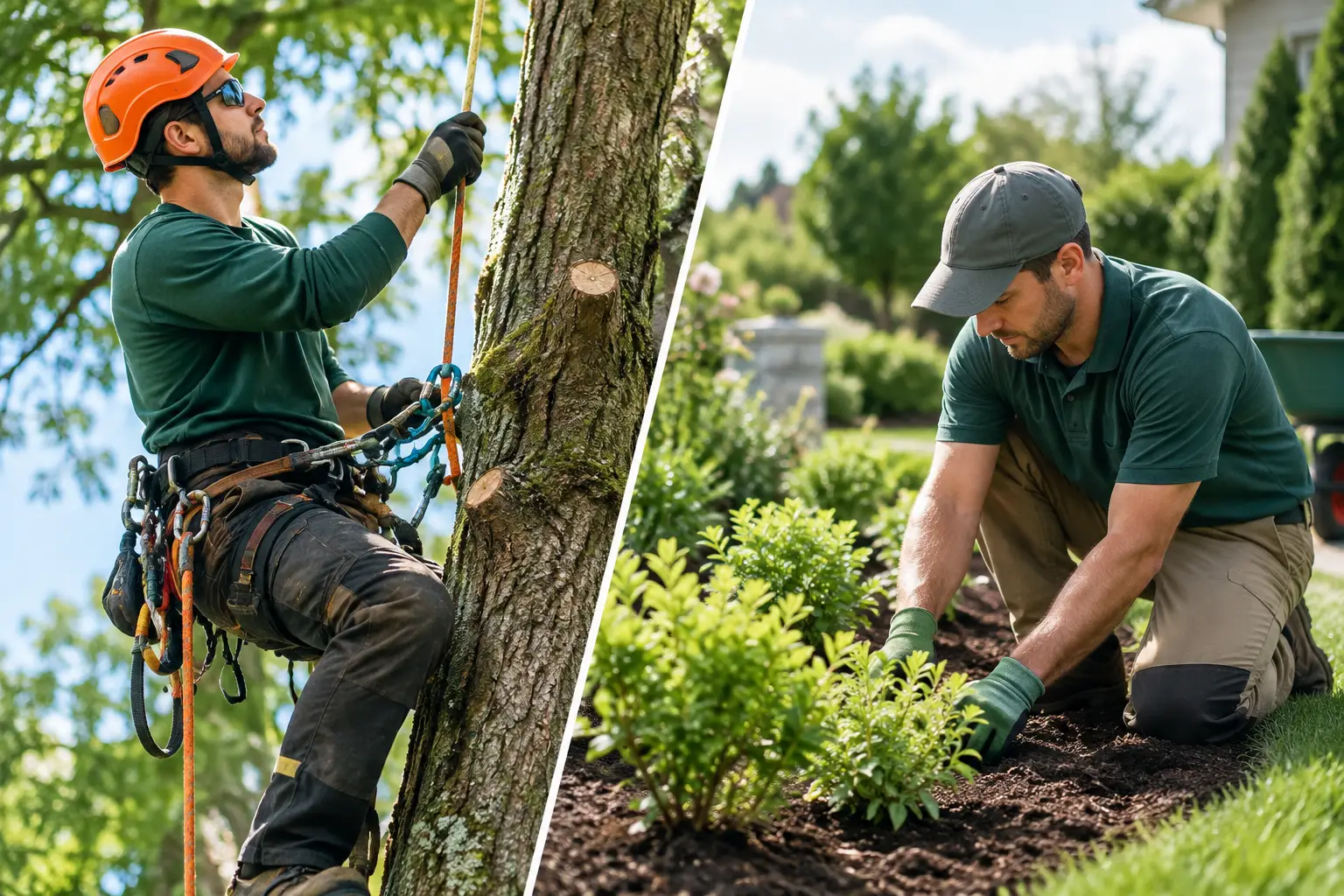
Arborist vs landscaper: learn who handles tree hazards, pruning, planting, and yard design so you can protect your Lafayette home and landscape safel…
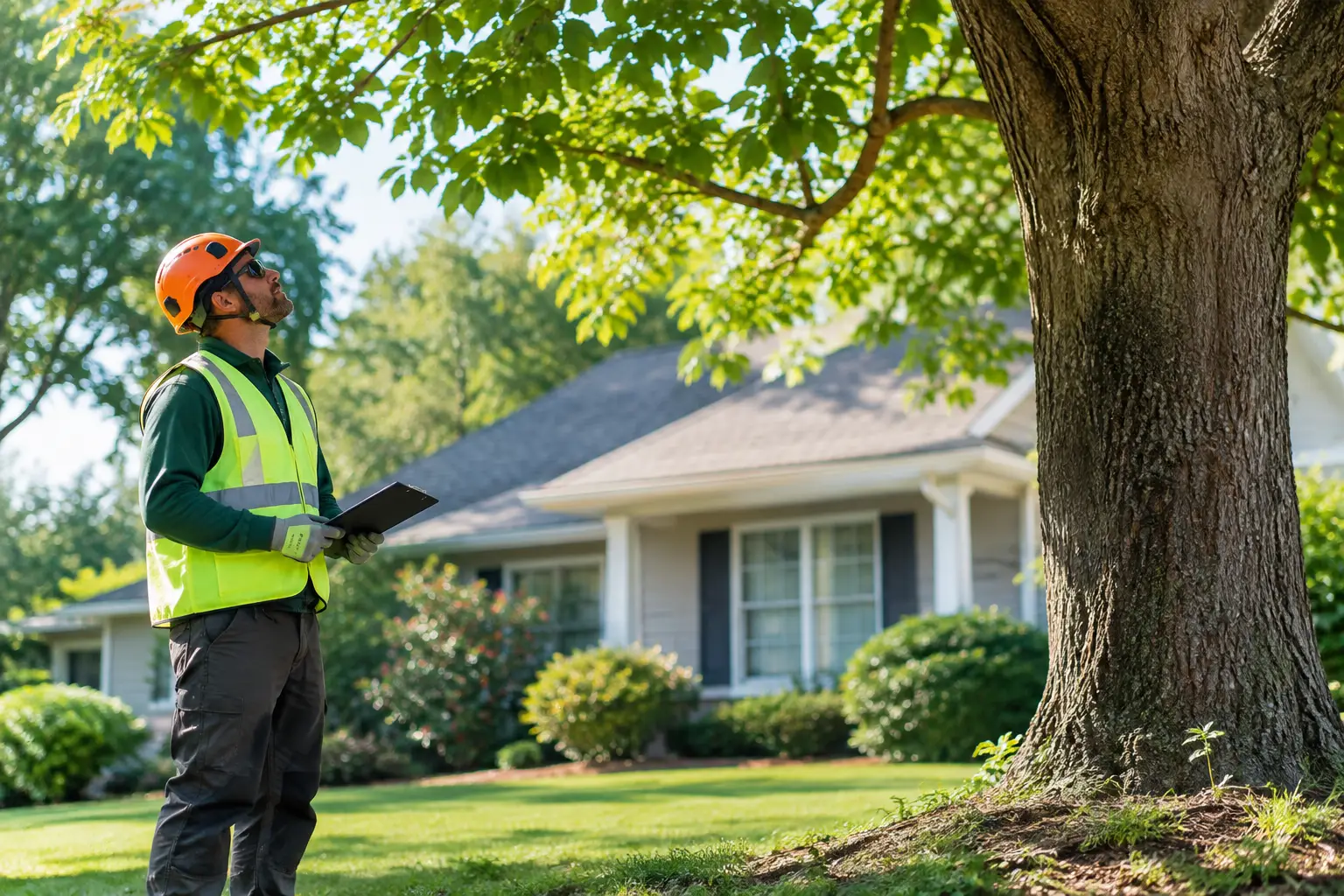
Tree safety starts with spotting hazards early. Learn when to prune, remove, or support trees to protect your Lafayette home, family, and yard safely.
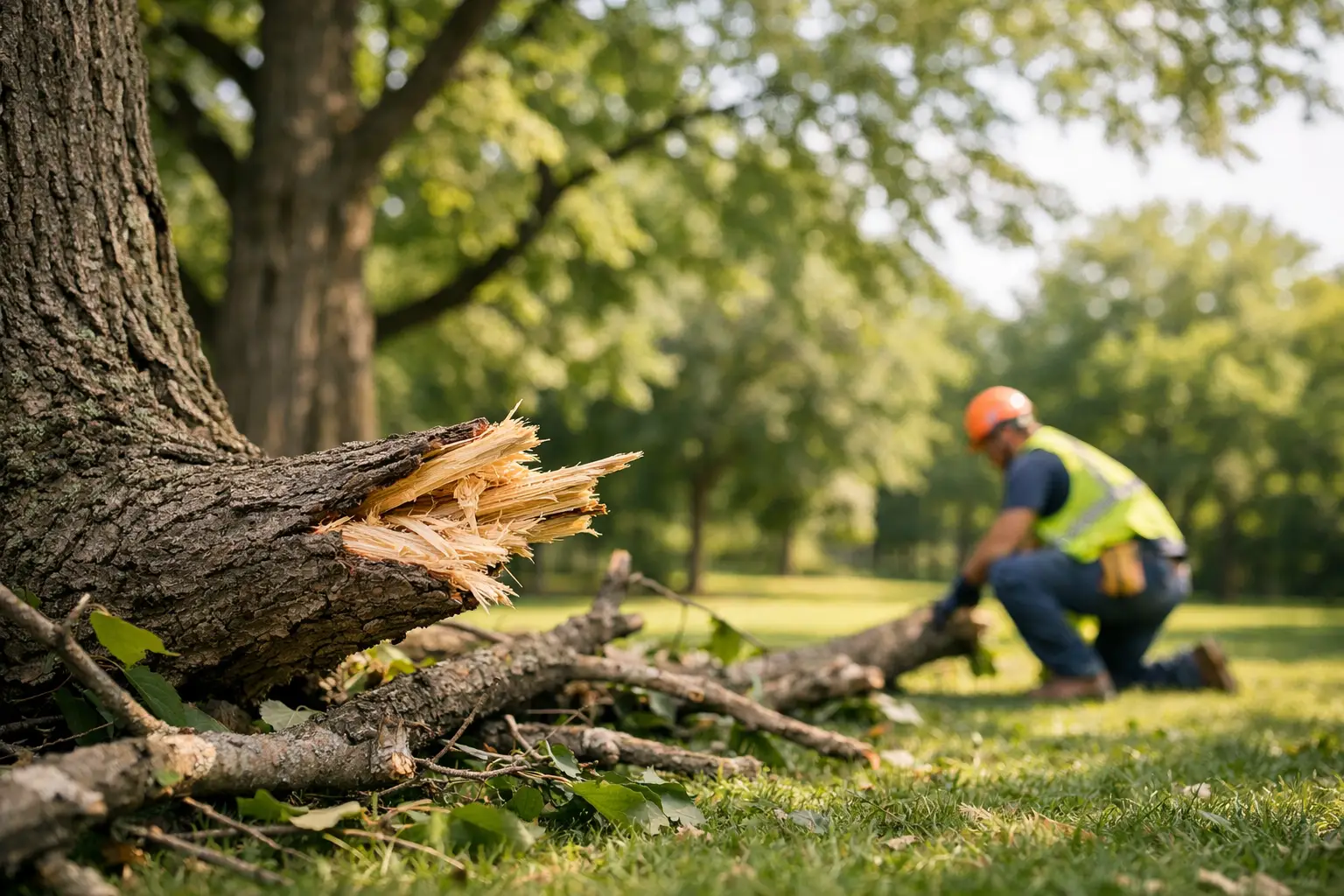
Why trees lose branches in Louisiana yards, what falling limbs can signal, and when professional pruning or removal can protect your home and family…
Tell us about your trees and we'll get back to you, usually the same day.
“They were prompt for the actual survey and gave a fair estimate. Crew showed up and did the job ahead of planned date and did an amazing job.”
Loading the quote form…
Form not showing? Open the quote form or call (337) 568-2739.
Get a free, no-obligation estimate from Lafayette's locally owned tree service.