

When to Call a Licensed Arborist in Lafayette
When should Lafayette homeowners call a licensed arborist? Learn when an expert assessment, pruning, removal, or support helps protect your property.
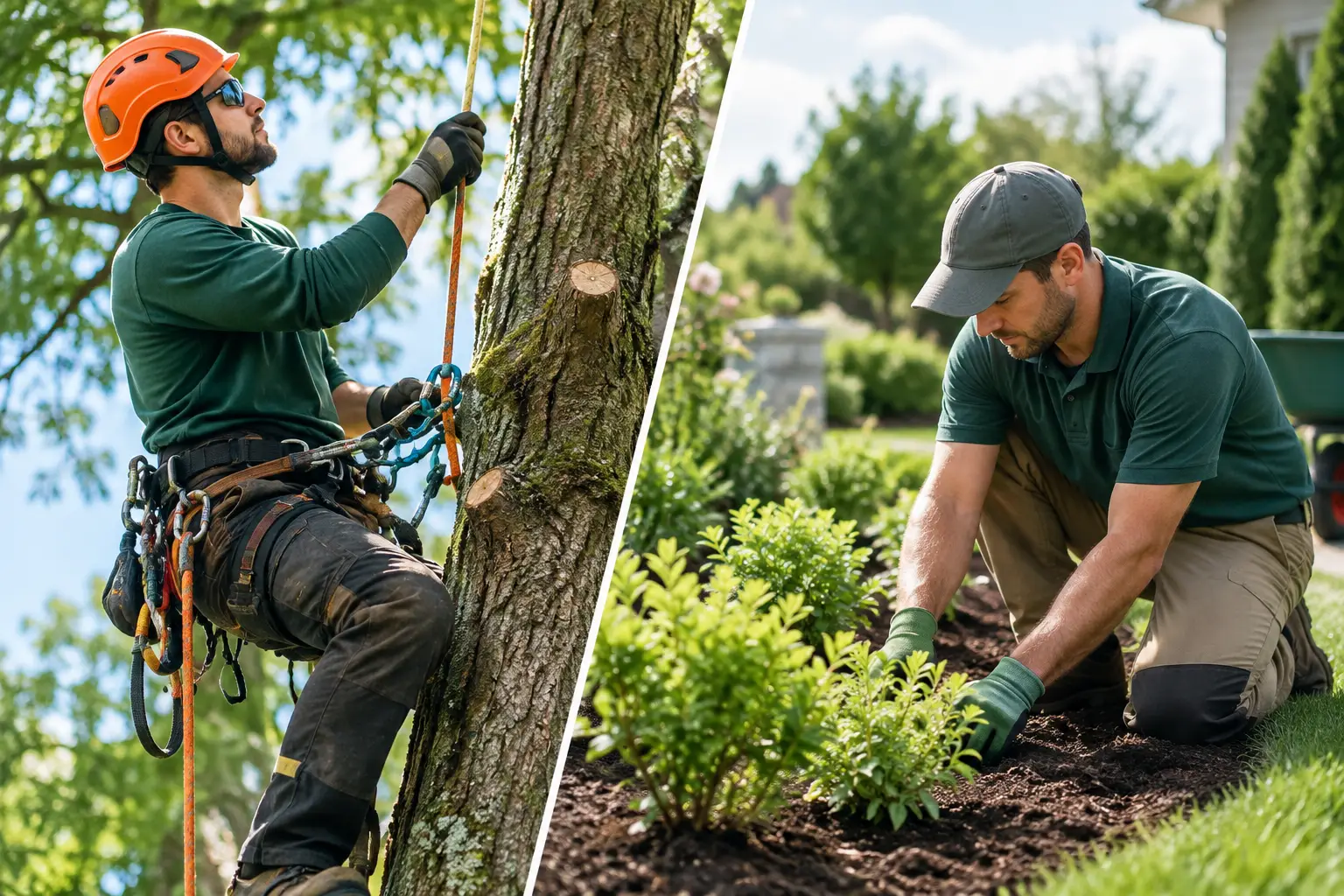
A low branch brushing your roof, a leaning pine after heavy rain, and a backyard that needs fresh mulch can all look like outdoor maintenance problems. But the right professional is not always the same. Understanding the difference between an arborist vs landscaper helps Lafayette-area homeowners protect their trees, their homes, and their budgets.
Both professionals improve residential properties, but they work from different areas of expertise. A landscaper typically focuses on the overall appearance and function of your yard. An arborist focuses on the health, structure, and safe management of trees. When a mature tree is close to your house, driveway, fence, utility area, or outdoor living space, that distinction matters.
An arborist is a tree-care professional trained to assess trees as living structures. Their work involves understanding how a tree grows, how decay and disease affect its strength, where weight is distributed through its limbs, and how to perform pruning or removal without creating unnecessary risk. Arborists use specialized equipment and safety procedures for work at height, around structures, and in confined residential spaces.
A landscaper manages the broader landscape around a home. That may include lawn care, garden beds, shrubs, mulch, sod, irrigation, seasonal color, hardscaping, drainage features, and general property appearance. Many landscapers also perform light trimming on small ornamental trees, especially when the work can be completed safely from the ground.
The simplest way to think about it is this: a landscaper makes the yard look organized and appealing. An arborist addresses the tree itself, particularly when its size, condition, location, or structural issues could affect safety and property damage.
That does not mean one service is better than the other. A healthy, attractive property often benefits from both. The question is whether your concern is primarily landscape design and routine upkeep or a tree that needs professional evaluation and precision work.
Trees are heavier and more complex than they appear from the ground. A large limb can carry hundreds of pounds of weight, and a tree that looks healthy on one side may have internal decay, root damage, splitting bark, or weak branch attachments on the other. These problems are not always obvious to a homeowner or a general maintenance crew.
Call an arborist when a tree is dead, dying, damaged by a storm, leaning, cracked, hollow, or dropping large limbs. Arborist help is also appropriate when branches hang over a roof, pool, driveway, power line area, play space, or neighboring property. Precision pruning is especially valuable for mature oaks, pines, and other established trees that provide shade and curb appeal but need careful maintenance.
An arborist can determine whether a limb should be removed, reduced, supported with cabling and bracing, or monitored over time. The goal is not automatically to remove a tree. In many cases, proper pruning can reduce risk, improve clearance, and preserve a valuable tree for years.
Tree removal is another clear arborist job. Removing a tree near a house is not simply a matter of cutting it down. The crew must plan where sections can be lowered, protect structures and landscaping, manage ropes and equipment, and account for the tree's lean, decay, and branch weight. Safe and efficient removal requires a site-specific plan, particularly after storms or in tight Lafayette neighborhoods.
A landscaper is usually the right choice when the trees are small, healthy, and part of a larger appearance-focused project. For example, you may want to refresh beds around young trees, install shrubs for privacy, improve drainage, edge walkways, add mulch, or redesign a front yard after a tree has been removed.
Landscapers are also valuable for routine maintenance that keeps your property neat between larger tree-care visits. They can help control overgrowth around the base of trees, maintain planting beds, and create a finished look once an arborist has completed pruning, removal, or stump grinding.
It depends on the scope. Trimming a few small branches from a young ornamental tree may fall within a landscaper's normal services. Pruning large limbs from a mature tree, however, requires knowledge of proper cuts, growth patterns, structural load, and safe access. Poor cuts can invite decay, trigger weak regrowth, or permanently affect the tree's shape.
One of the biggest differences between an arborist and a landscaper is how they evaluate a tree. A branch may look overgrown, but an arborist considers why it grew that way and what removing it will do to the rest of the canopy. They look for deadwood, crossing limbs, included bark, insect activity, fungal growth, cavities, root-zone problems, and signs of stress.
This approach is particularly useful in South Louisiana, where heat, humidity, saturated soil, high winds, and storm seasons can put added pressure on trees. A tree may survive a storm but still have compromised limbs or roots that create a delayed hazard. Waiting until the next major weather event can turn a manageable issue into roof, fence, or vehicle damage.
Professional pruning follows recognized arboricultural practices, including making clean cuts in the correct location and avoiding excessive canopy removal. Topping a tree, which means cutting major branches back to stubs, may seem like a fast way to reduce height. In reality, it can leave a tree stressed, misshapen, and more likely to produce weak new growth. A qualified arborist will recommend a safer solution based on the tree's condition and the property owner's goals.
The cost of tree work is often tied to risk, access, equipment, and cleanup rather than just how long the job takes. A tree in an open field is very different from a tree wedged between a home, fence, storage shed, and utility line. Professional crews bring the equipment and planning needed to work safely in those conditions.
For homeowners, the benefit goes beyond getting branches off the ground. A complete tree-care service should include an on-site assessment, a clear work plan, strict safety measures, debris removal, and a clean, usable yard when the work is finished. If a stump remains after removal, stump grinding can also help restore the area for grass, planting, or future landscape work.
A landscaper may haul routine green waste from a maintenance visit, but large tree debris requires a different level of handling. Heavy trunks, brush piles, and elevated limbs should not be left for homeowners to manage. Before scheduling any service, ask what is included in cleanup and whether the crew will protect nearby landscape features, driveways, and structures.
The best property improvements often happen in sequence. An arborist may remove a hazardous tree, grind the stump, prune remaining trees for better light and clearance, and recommend where new trees can be planted. A landscaper can then reshape the affected space with sod, beds, shrubs, drainage improvements, or hardscape elements.
Tree planting is another area where the two roles can overlap productively. A landscaper may help integrate new trees into the design of the yard, while an arborist can advise on species selection, spacing, mature size, soil conditions, and placement away from roofs, driveways, utilities, and foundations. Planting the right tree in the right place prevents many future problems.
For example, planting a fast-growing tree directly beneath power lines or too close to a home can create years of avoidable trimming and risk. Thoughtful placement protects the investment in both your landscaping and your property.
Before choosing a professional, describe the problem rather than only requesting a specific service. Mention whether the tree is near a structure, whether you have noticed cracks or dead limbs, and whether storm damage is involved. Ask whether the crew handles large-tree pruning or removal, how they protect the property, and whether debris cleanup is included.
If the job involves a mature, unhealthy, unstable, or hard-to-reach tree, start with an arborist assessment. If the tree is healthy and your main goal is improving beds, lawns, curb appeal, or outdoor layout, a landscaper may be the better first call. For projects that involve both, schedule the tree work first so the landscape plan is built around safe, healthy, well-placed trees.
Apex Tree Care provides on-site recommendations for homeowners who need clear answers about tree risk, pruning, removal, stump grinding, or structural support. A quick assessment can replace guesswork with a practical plan for your property.
When a tree raises a safety concern, do not wait for the next storm to make the decision for you. Have it evaluated, keep the area clear if limbs appear unstable, and choose a crew equipped to leave your yard safer and clean when the job is done.

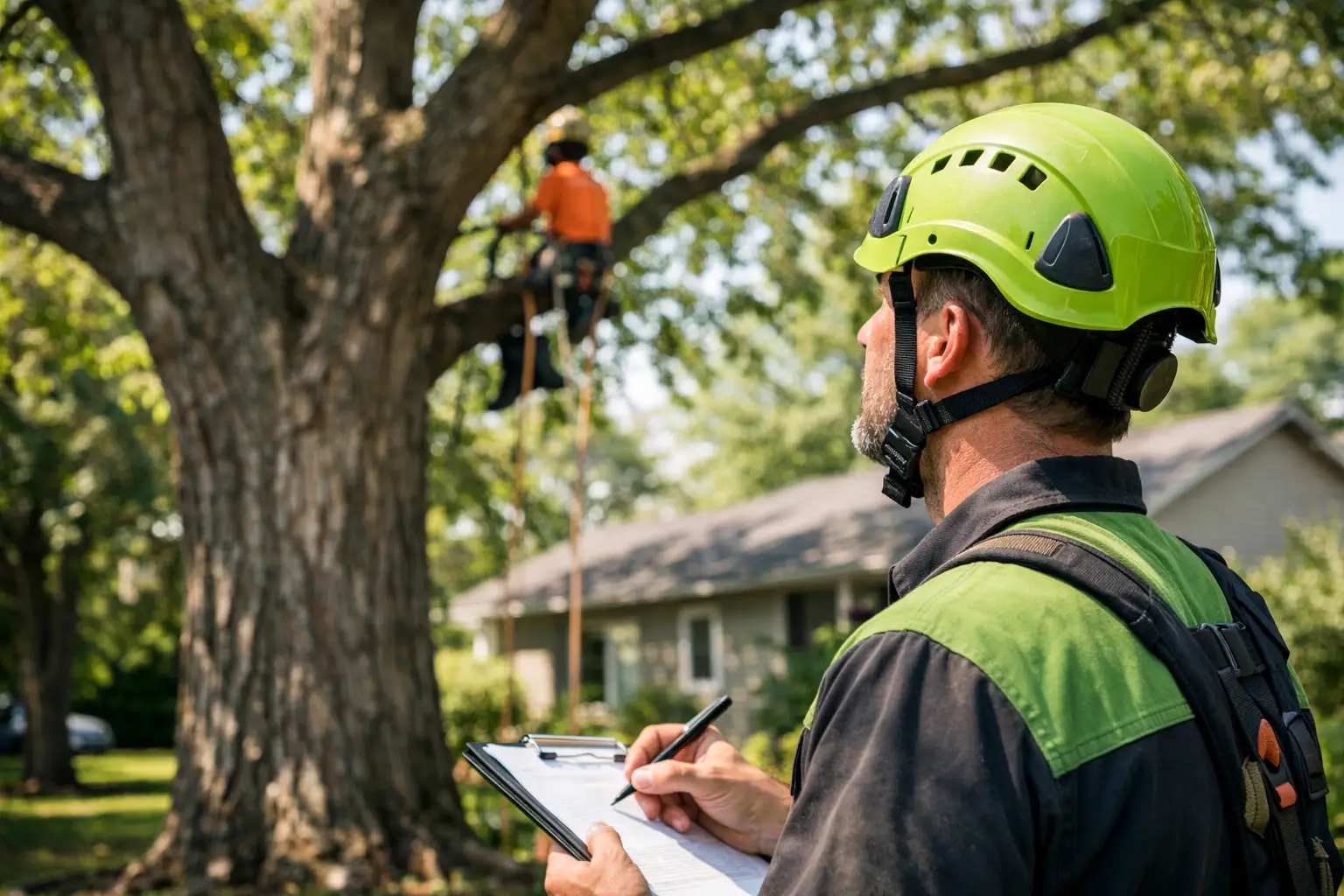
When should Lafayette homeowners call a licensed arborist? Learn when an expert assessment, pruning, removal, or support helps protect your property.
Proper insurance protects your Louisiana home during tree work. Learn what coverage to verify before hiring a crew for removal, pruning, storm cleanu…
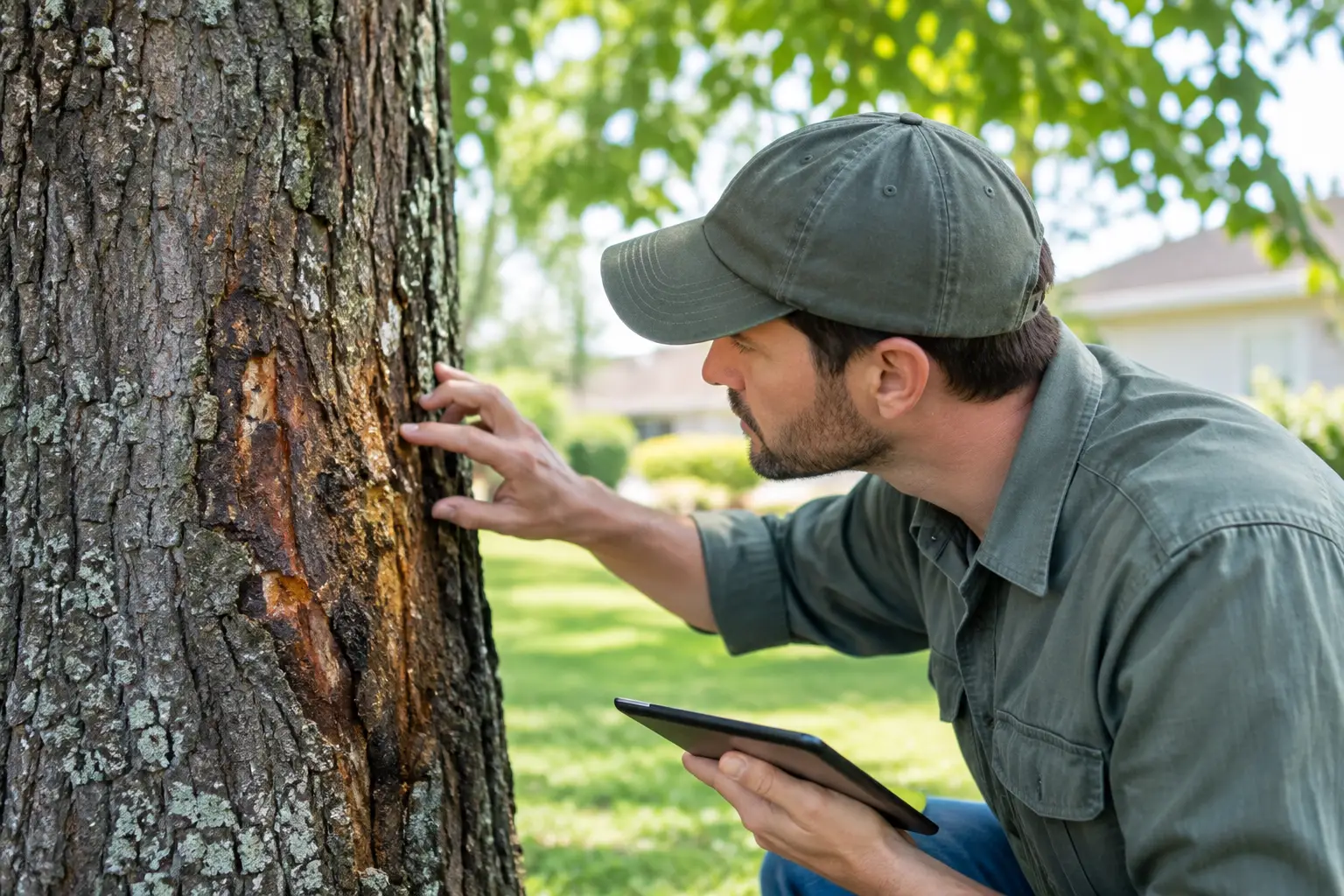
Get practical tree disease diagnosis Louisiana guidance: spot warning signs, protect your home, and know when professional tree care is needed right…
Tell us about your trees and we'll get back to you, usually the same day.
“They were prompt for the actual survey and gave a fair estimate. Crew showed up and did the job ahead of planned date and did an amazing job.”
Loading the quote form…
Form not showing? Open the quote form or call (337) 568-2739.
Get a free, no-obligation estimate from Lafayette's locally owned tree service.