

10 Signs of a Hazardous Tree Around Your Home
Learn the signs of a hazardous tree, what raises risk in Louisiana weather, and when to call a professional for a safe property assessment near you n…
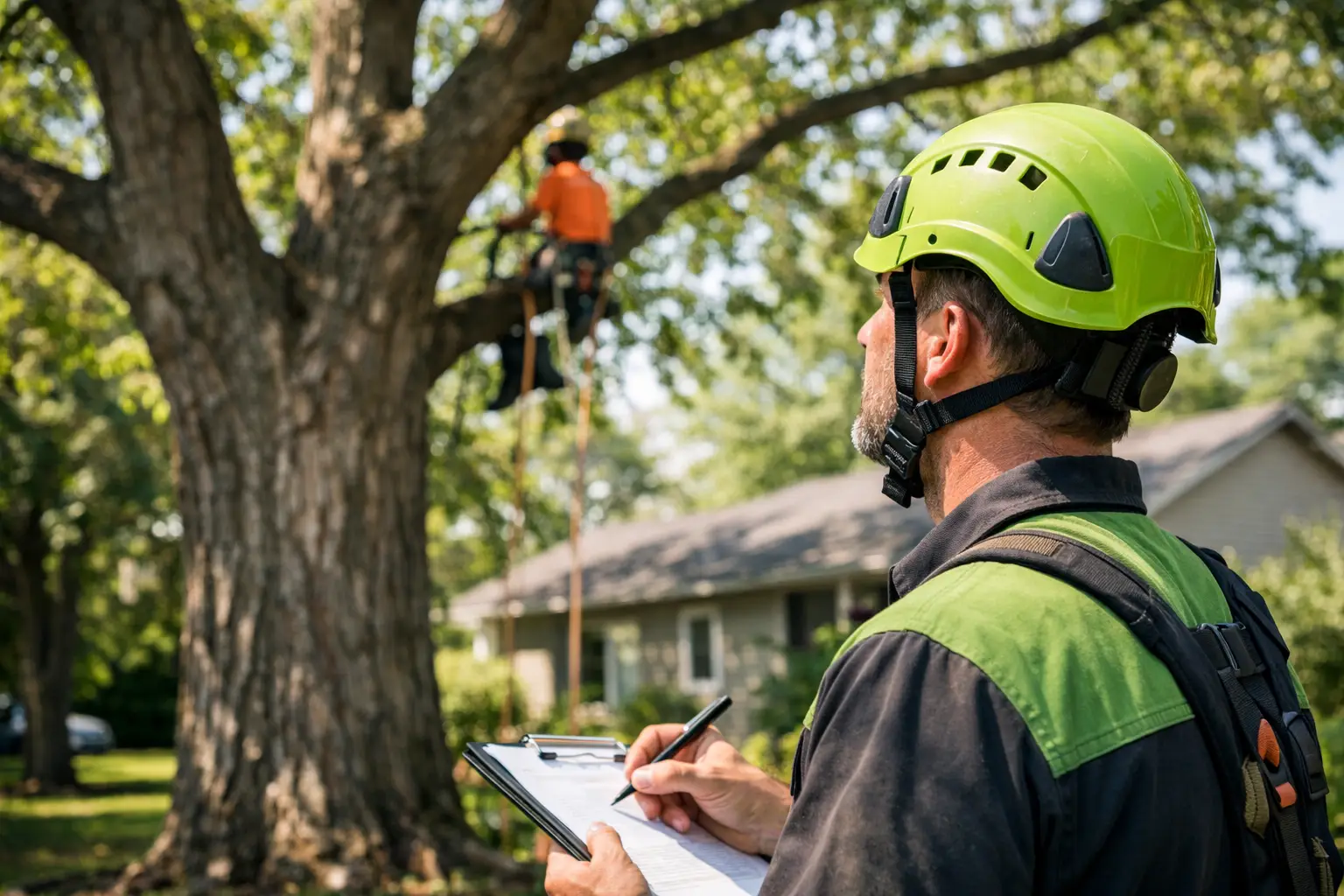
A heavy limb hanging over your roof is not the time to guess whether a tree is healthy. Neither is the morning after a Gulf Coast storm, when saturated soil and strong winds can turn a small crack or leaning trunk into a property risk. A licensed arborist can assess what is happening in the tree, explain the risk in plain language, and recommend work that fits the situation rather than a one-size-fits-all fix.
For homeowners across Lafayette and nearby Acadiana communities, tree care often starts with a visible concern: dead branches, low limbs over the driveway, a stump that will not go away, or a mature tree growing too close to the house. The real question is whether the tree needs pruning, structural support, removal, or simply informed monitoring. A professional assessment helps separate urgent hazards from issues that can be addressed through planned maintenance.
In Louisiana, tree work done for hire requires a state arborist license, issued through the Louisiana Department of Agriculture and Forestry. Apex Tree Care holds Louisiana Arborist license #2856. ISA certification is a separate, voluntary credential administered by the International Society of Arboriculture. To earn and maintain certification, an arborist must demonstrate knowledge of tree biology, pruning, diagnosis, safety, soils, and risk management, then continue learning as standards and practices develop.
That matters because trees are living structures, not just landscaping features. A branch can look solid from the ground while decay has weakened it from the inside. A trunk may lean naturally toward sunlight, or it may be shifting because roots have been damaged, soil has moved, or the tree has lost structural stability. Knowing the difference protects both the tree and the property around it.
Certification is not a promise that every tree can or should be saved. Sometimes removal is the responsible recommendation, especially when a tree is dead, severely decayed, storm-damaged, or positioned where failure could strike a home, vehicle, fence, or utility area. The value of a qualified arborist is an informed recommendation based on the tree, its condition, and its location.
You do not need to wait until a limb falls to request an assessment. Calling early often gives you more choices and may reduce the cost and disruption of emergency work.
South Louisiana weather puts trees through repeated stress. High winds, lightning, prolonged rain, and saturated ground can expose weaknesses that were not obvious before. If a tree suddenly leans, develops a fresh crack, loses major limbs, or has roots lifting the soil near its base, it deserves prompt attention.
Keep people, pets, and vehicles away from the area. Do not pull on damaged limbs, climb the tree, or attempt to cut branches that are tangled in other limbs or near power lines. Storm-damaged trees carry unpredictable tension, and even experienced crews use strict safety measures and professional equipment to manage that risk.
Branches that scrape a roof, block a driveway, hang over an outdoor living area, or interfere with service access need more than a quick trim. The right pruning cut and the amount removed both matter. Over-pruning can stress a tree, encourage weak regrowth, and leave it more vulnerable to disease and heat.
Precision pruning focuses on clear objectives: improving clearance, removing deadwood, reducing weight on an extended limb, or improving the tree’s structure. It should preserve as much healthy canopy as practical while addressing the reason you called.
Dead limbs, hollow areas, fungal growth at the base, peeling bark, sparse leaf growth, and unusually early leaf drop can all point to underlying problems. No single sign automatically means a tree is dangerous. Seasonal changes, drought, insects, and species-specific habits can affect appearance.
Still, a pattern of decline deserves a closer look, particularly when the tree stands near a home or high-use part of the yard. An arborist can evaluate visible symptoms, check for structural defects, and help determine whether pruning, treatment recommendations, support systems, or removal is appropriate.
New patios, driveways, fences, drainage work, and utility installations can affect roots and soil around established trees. Root damage may not show up immediately, but it can reduce stability and long-term health. If a mature tree is part of your property’s shade, appearance, or value, have it evaluated before equipment and excavation begin nearby.
Homeowners sometimes assume the safest choice is to remove any large tree near a house. Others assume a mature tree should always be preserved. Both approaches can miss the actual issue.
A healthy tree with a manageable structural concern may benefit from selective pruning or a cabling and bracing system. These systems can provide supplemental support for certain weak unions or heavy limbs, reducing stress where appropriate. They are not a cure for severe decay, extensive root failure, or a dying tree, and they require proper design and periodic inspection.
Removal may be the better choice when the risk is high and the tree cannot be reasonably mitigated. This is especially true for dead trees, trees with major trunk damage, unstable trees near structures, and trees that have outgrown their available space. Safe and efficient removal is a controlled process, often involving careful sectioning so crews can protect nearby roofs, landscaping, fences, and access areas.
After removal, stump grinding can make the area safer and more usable. Whether you plan to plant grass, add a garden bed, install a patio feature, or plant another tree, dealing with the stump prevents it from becoming a lasting obstacle in the yard.
A good tree-care conversation should leave you knowing what is recommended and why. Ask what defects or conditions were found, how urgent the work is, and what could happen if the issue is left alone. If pruning is proposed, ask what the pruning is intended to accomplish. If removal is recommended, ask whether the concern is health, structure, location, or a combination of factors.
It is also reasonable to ask about the work area. Homeowners want to know how crews will access the tree, protect the property, manage debris, and leave the yard when the job is finished. Complete cleanup is not a minor detail. Tree work can create a significant amount of brush, wood, and sawdust, especially after storm damage or a large removal.
Price matters, but it should be considered alongside scope and safety. A lower quote may not include the same level of cleanup, equipment, planning, or risk management. The best choice is not automatically the least expensive option. It is the service provider that clearly explains the work, respects the property, and can complete the job safely.
Most homeowners do not need to become tree experts to support healthier growth. Avoid piling mulch directly against the trunk, which can trap moisture and contribute to decay. Keep lawn equipment from damaging bark near the base, and do not top trees to make them shorter. Topping removes large sections of canopy and commonly leads to weak, fast-growing shoots that create future maintenance problems.
Watch for changes over time. Take notice if a branch begins drooping, a crack widens, the canopy thins, or mushrooms appear around the root area. Photos taken from the same spot every few months can make gradual changes easier to recognize.
For new trees, proper species selection and planting depth make a lasting difference. A tree that fits the available space is less likely to conflict with roofs, driveways, or overhead lines as it matures. Early structural pruning can also prevent many common problems before they become expensive corrections.
Apex Tree Care approaches each property with that practical goal in mind: address immediate risks, protect what can be preserved, and leave the site clean and usable when the work is done. The right time to seek professional guidance is usually before a small concern becomes an urgent one.

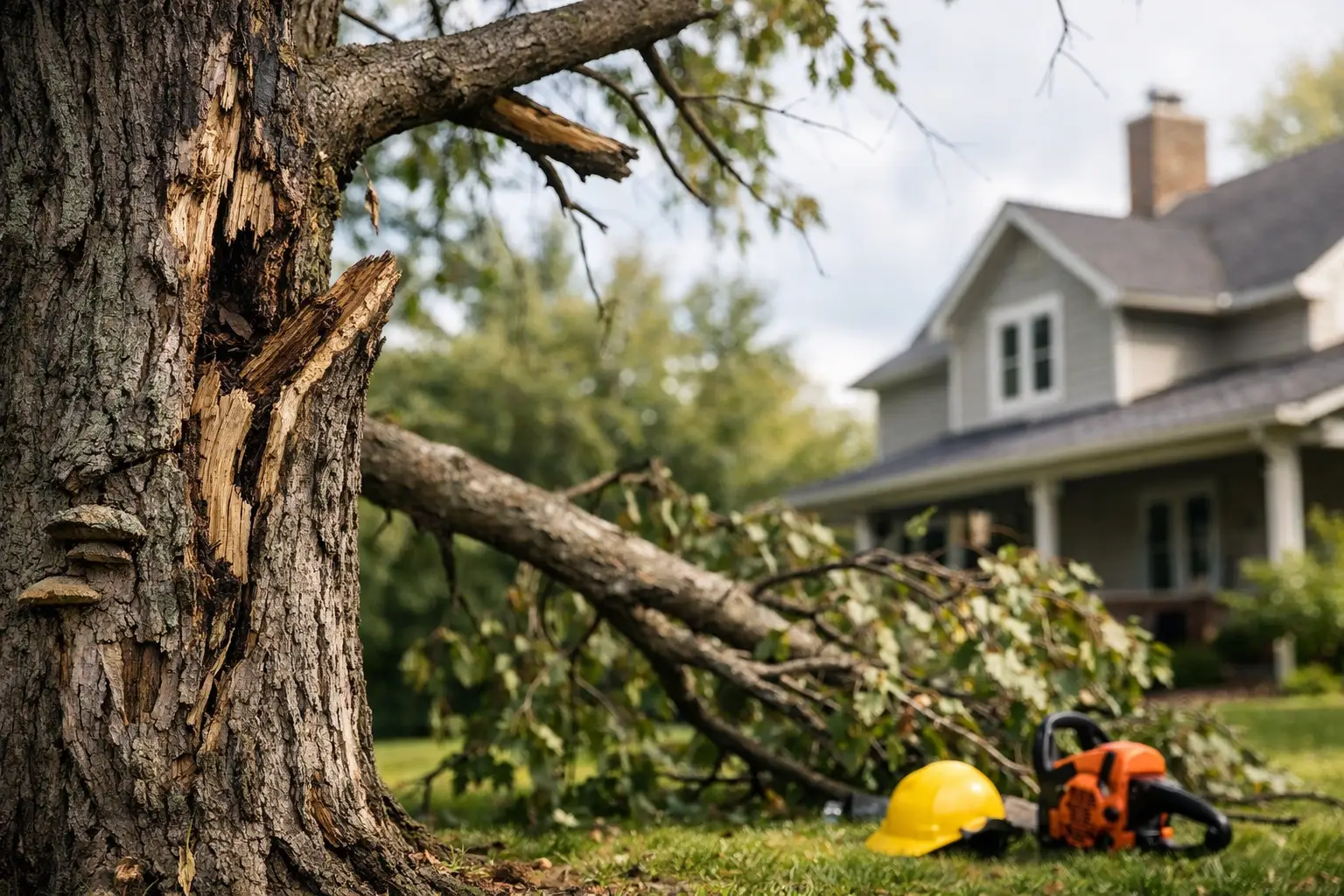
Learn the signs of a hazardous tree, what raises risk in Louisiana weather, and when to call a professional for a safe property assessment near you n…
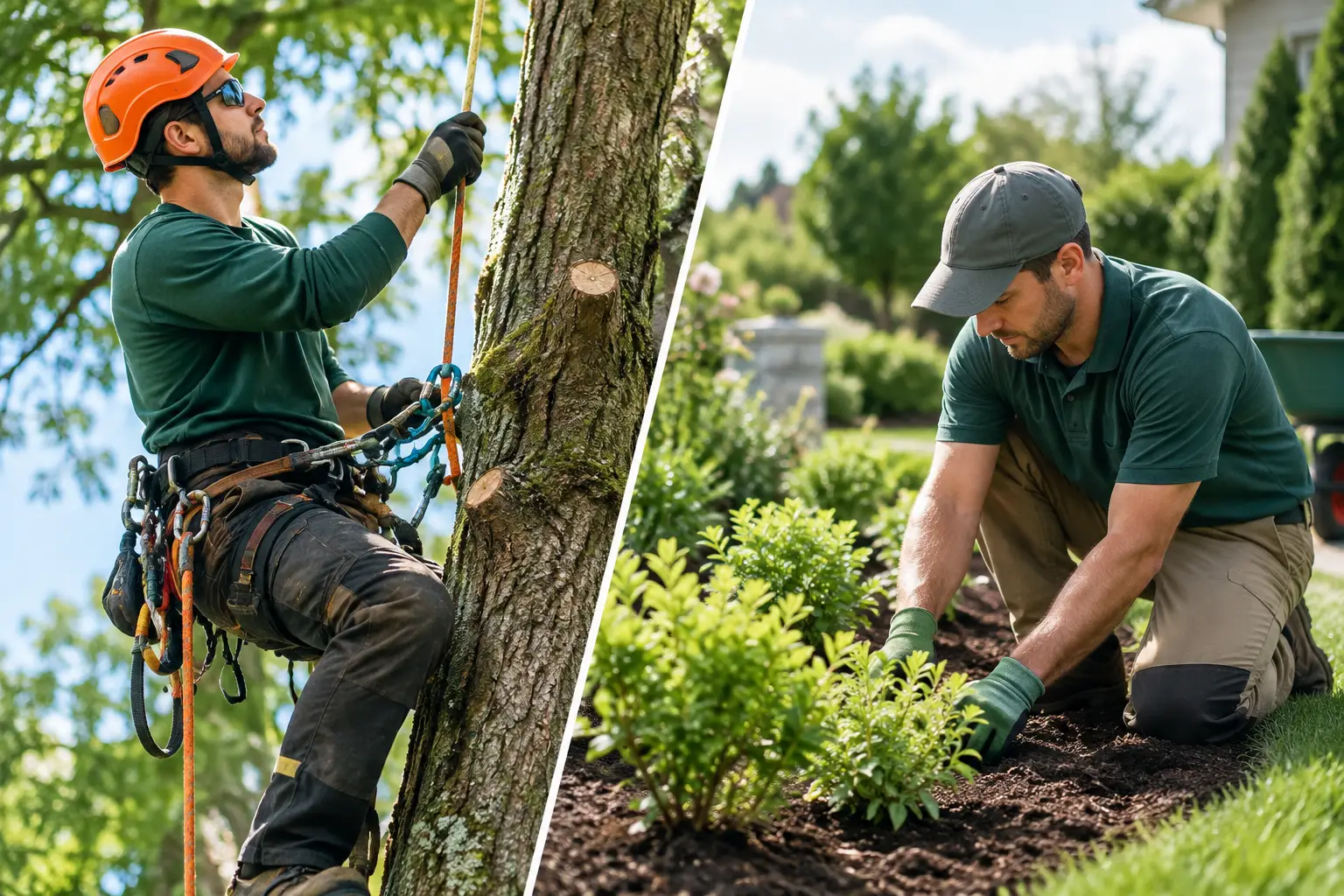
Arborist vs landscaper: learn who handles tree hazards, pruning, planting, and yard design so you can protect your Lafayette home and landscape safel…
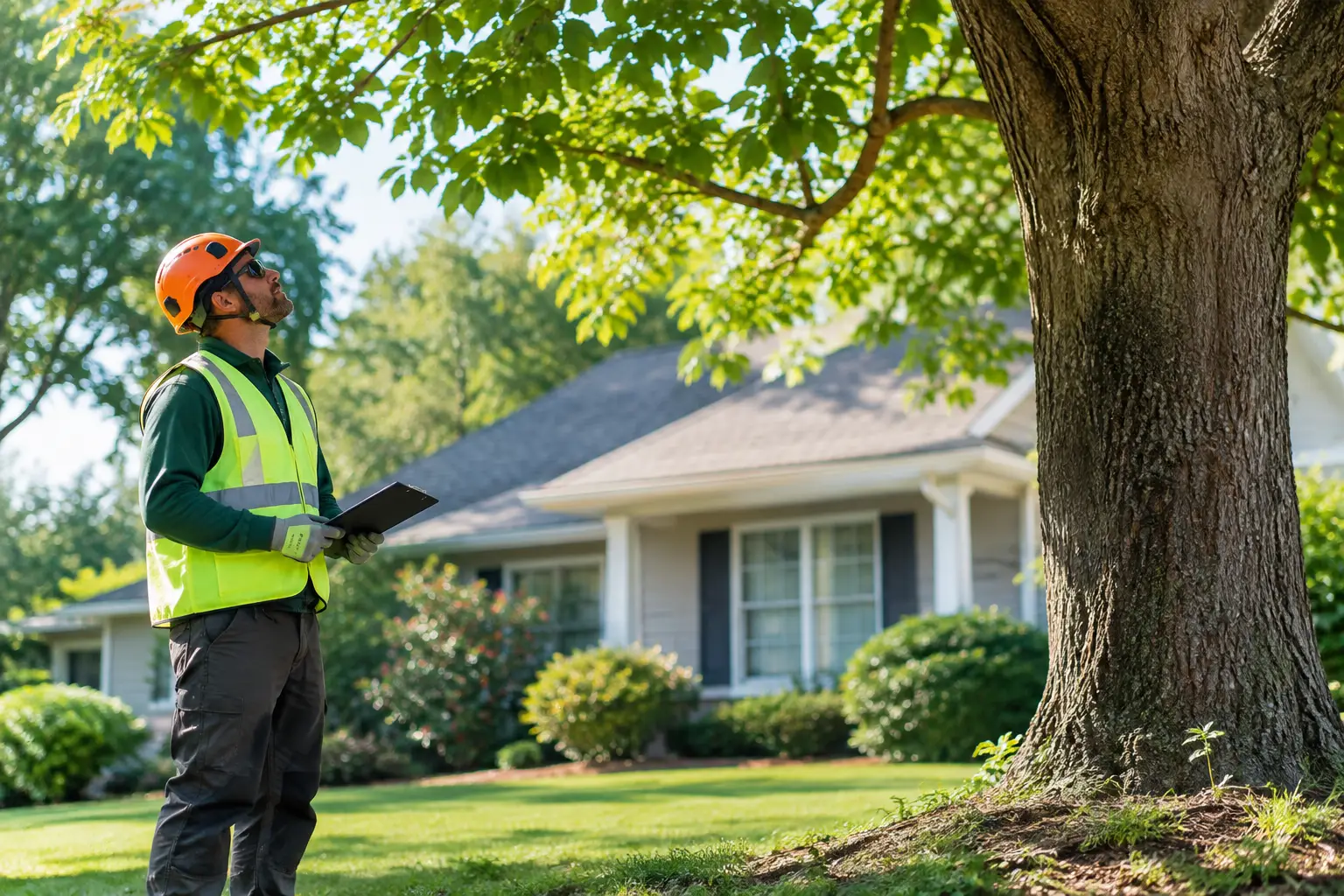
Tree safety starts with spotting hazards early. Learn when to prune, remove, or support trees to protect your Lafayette home, family, and yard safely.
Tell us about your trees and we'll get back to you, usually the same day.
“They were prompt for the actual survey and gave a fair estimate. Crew showed up and did the job ahead of planned date and did an amazing job.”
Loading the quote form…
Form not showing? Open the quote form or call (337) 568-2739.
Get a free, no-obligation estimate from Lafayette's locally owned tree service.