

Tree Inspection for Lafayette Homeowners
Tree inspection helps Lafayette homeowners spot hazards, protect roofs and yards, and plan safe pruning, support, or removal before problems grow wor…
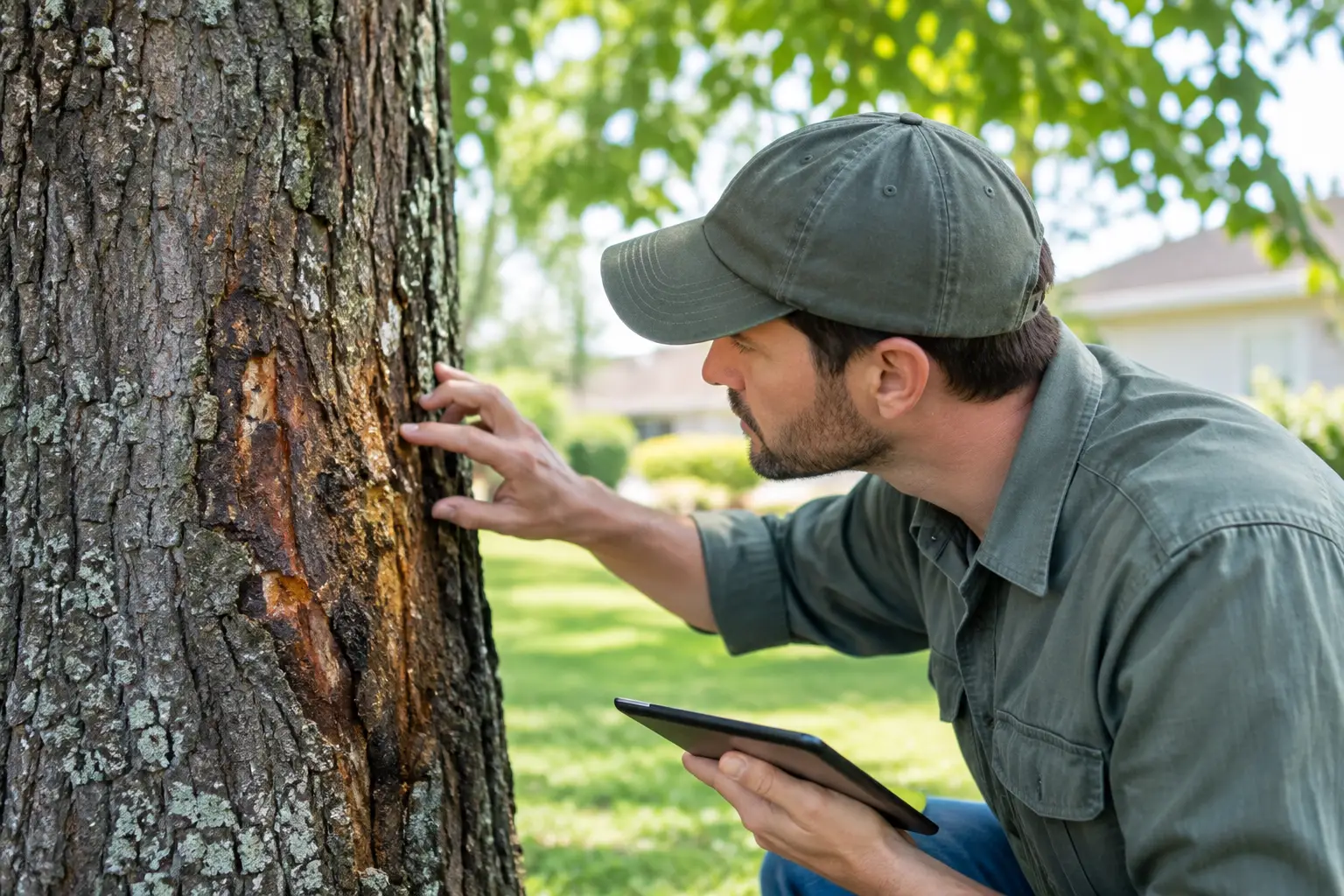
A live oak with thinning leaves, a crape myrtle dropping foliage too early, or a pine turning brown can make any homeowner worry. Tree disease diagnosis Louisiana property owners can rely on starts with looking beyond a single brown branch. Our heat, heavy rainfall, high humidity, compacted soil, and hurricane-season winds can all create symptoms that resemble disease - or make a real problem progress faster.
The goal is not to guess from across the yard. It is to determine whether the tree is stressed, infected, infested, structurally compromised, or simply responding to seasonal conditions. That distinction matters when the tree stands near your roof, driveway, fence, play area, or utility lines.
Louisiana trees deal with long growing seasons and plenty of moisture, but those conditions do not automatically mean every tree stays healthy. Wet weather supports fungal growth. Drought periods can stress roots. Standing water can limit oxygen in the soil, while construction, trenching, and soil compaction can quietly damage roots long before the canopy shows a problem.
Some symptoms overlap. Yellow leaves may point to nutrient deficiencies, poor drainage, root injury, insect activity, or a disease process. Leaf spots can be minor cosmetic damage on one tree and an early signal of a broader issue on another. A professional assessment considers the tree species, its age, site conditions, recent weather, pruning history, and the pattern of symptoms throughout the tree.
That is why a diagnosis should not begin and end with a photo. Pictures can help document changes, but an on-site inspection provides a much clearer view of bark condition, root flare, soil moisture, branch structure, cavities, fungal growth, and nearby hazards.
A healthy tree may shed some leaves during a hot, dry stretch or after a storm. Concern rises when symptoms are widespread, worsening, or paired with visible structural decline. Watch for changes that appear suddenly or continue over several weeks.
A canopy that looks sparse compared with nearby trees of the same type deserves attention. Dead twigs at branch ends, small leaves, leaves browning from the edges inward, or early leaf drop can indicate stress in the roots or vascular system. On evergreen trees, browning needles may also signal a problem, especially when it spreads upward or outward rather than staying limited to older interior needles.
Spots, blotches, curling, wilting, powdery coatings, and blackened leaf tissue can be associated with fungal issues, insect feeding, or environmental stress. The timing and location matter. Damage limited to a few lower leaves is different from symptoms spreading across the entire canopy.
Avoid applying a general pesticide or fungicide without a clear reason. The wrong treatment may not help, can add unnecessary cost, and may distract from the actual cause, such as poor drainage or root damage.
Peeling bark, vertical cracks, sunken areas, dead patches, sap flow, or soft wood can signal serious decline. Some bark variation is normal by species, so the concern is usually a new or expanding change. Mushrooms or shelf-like fungi growing at the base of a tree or from the trunk are especially important warning signs because they can indicate internal wood decay.
Decay does not always mean a tree must be removed immediately. It does mean the tree's structural condition should be evaluated, particularly if it could strike a home, vehicle, fence, or frequently used outdoor space.
Disease and decay often show up as dead branches, but dead limbs can also result from storm damage, shading, or normal self-pruning. What matters is where those limbs are located and whether the remaining structure is sound. A large dead limb above a roof or driveway is a safety concern regardless of why it died.
Branches with deep cracks, included bark, cavities, or heavy overextension may need precision pruning, cabling, bracing, or removal based on the tree's condition and its location. Cutting large limbs without a plan can make a stressed tree less stable, so this is not a good place for trial-and-error pruning.
Many homeowners use the word disease for every unhealthy-looking tree. In practice, several problems can occur alone or together.
Fungal diseases are common in humid conditions and may affect leaves, roots, or internal wood. Root problems often begin where homeowners cannot see them. Poor drainage, grade changes, buried root flares, and damaged roots can weaken a tree over time, making it more susceptible to disease and storm failure.
Insects may be part of the problem, but their presence does not always mean they are the original cause. Borers and other pests frequently target trees already under stress. Storm damage can also create entry points for decay organisms, especially when torn limbs are left unpruned or a trunk has been badly wounded.
Then there is simple site mismatch. A tree planted too deeply, too close to a structure, or in soil that holds water poorly may struggle for years. In those cases, spraying the canopy will not correct the condition below ground.
You do not need to diagnose the problem yourself, but a few careful observations can help make an evaluation more efficient. Note when symptoms started, whether recent storms, flooding, drought, landscaping, or construction occurred, and whether nearby trees show similar symptoms. Take clear photos from a distance and close-ups of leaves, bark, fungi, or affected branches.
Do not climb the tree, pull on questionable limbs, or cut branches near power lines. Avoid piling mulch against the trunk or adding excessive fertilizer in an effort to force new growth. Both can make existing stress worse. Keep mulch in a shallow ring around the tree, leaving the trunk base exposed, and water only when site conditions call for it. Trees in consistently wet soil need drainage solutions more than extra water.
If there is a hanging limb, a split trunk, a leaning tree, exposed roots, or decay near a target, keep people and vehicles away from the area. A tree can look stable from the ground while having major weakness inside the trunk or at the root system.
Saving a mature tree is often worthwhile, but preservation is not always the responsible recommendation. Removal may be appropriate when decay has significantly weakened the trunk, major roots are failing, the canopy is largely dead, or the tree has a high chance of striking a structure or occupied area.
The decision depends on risk, not appearance alone. A declining tree at the back edge of a large property may be managed differently than the same tree leaning over a bedroom, pool, driveway, or neighbor's fence. Professional tree care should explain the condition, the options, and the practical trade-offs before work begins.
When removal is needed, safe execution includes controlling the drop zone, protecting nearby property, using the right equipment, and completing debris cleanup. Stump grinding can also be considered when you want a cleaner, more usable space for grass, planting, or future landscaping.
A diagnosis is most useful when it leads to a clear maintenance plan. That may include selective pruning to remove deadwood and improve airflow, soil and watering adjustments, structural support for a valuable tree, monitoring for progression, or removal of a tree that cannot be safely retained.
Good pruning is selective. Topping or stripping out large amounts of live growth can increase stress, encourage weak regrowth, and leave wounds that are slow to close. A skilled crew focuses on necessary cuts that improve clearance, reduce hazard, and respect the tree's natural structure.
For Lafayette and surrounding Acadiana homeowners, a timely on-site assessment can turn an uncertain tree problem into a practical next step. Apex Tree Care can evaluate visible decline, explain the safety concerns, and provide a site-specific recommendation that protects both your trees and the property around them.

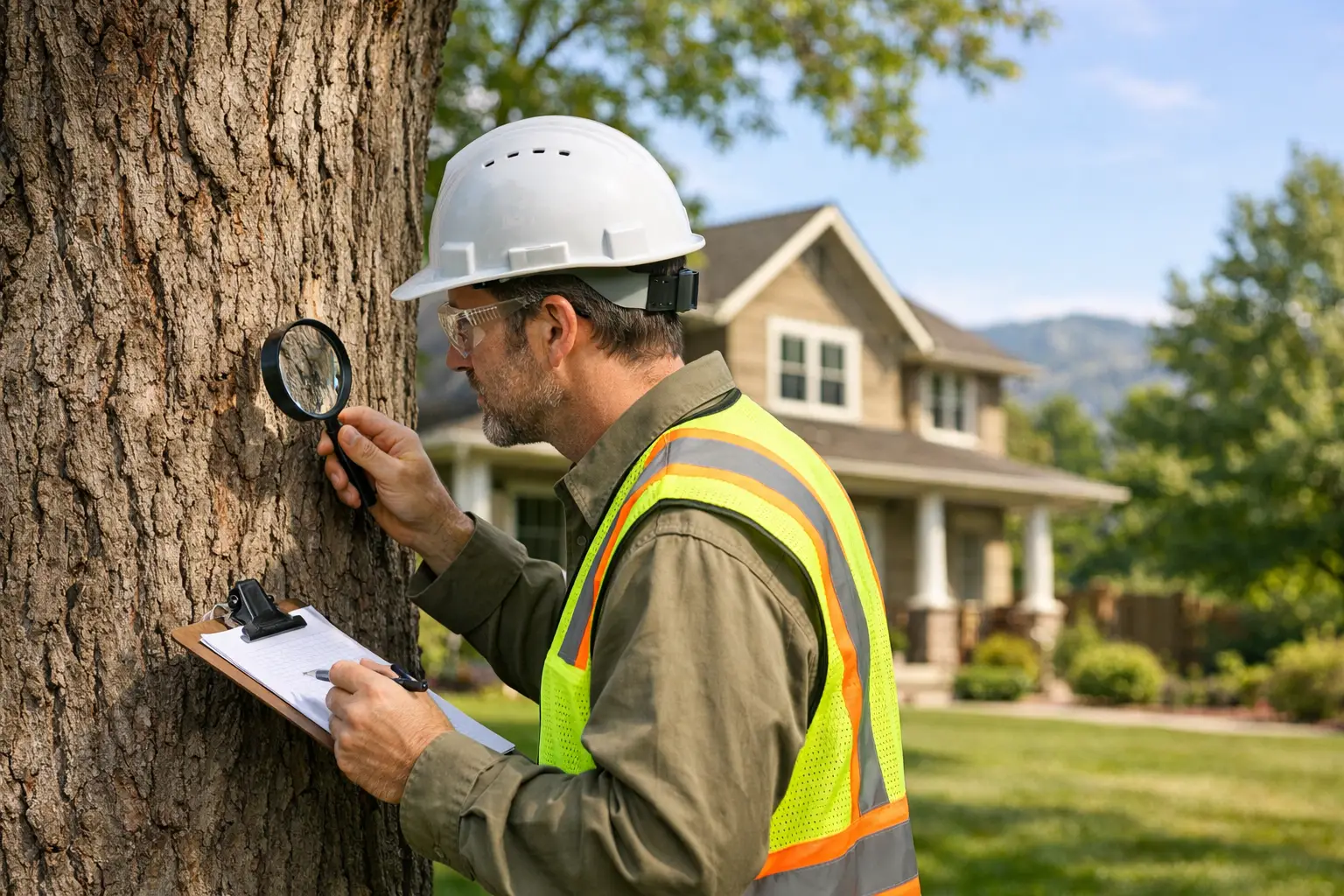
Tree inspection helps Lafayette homeowners spot hazards, protect roofs and yards, and plan safe pruning, support, or removal before problems grow wor…
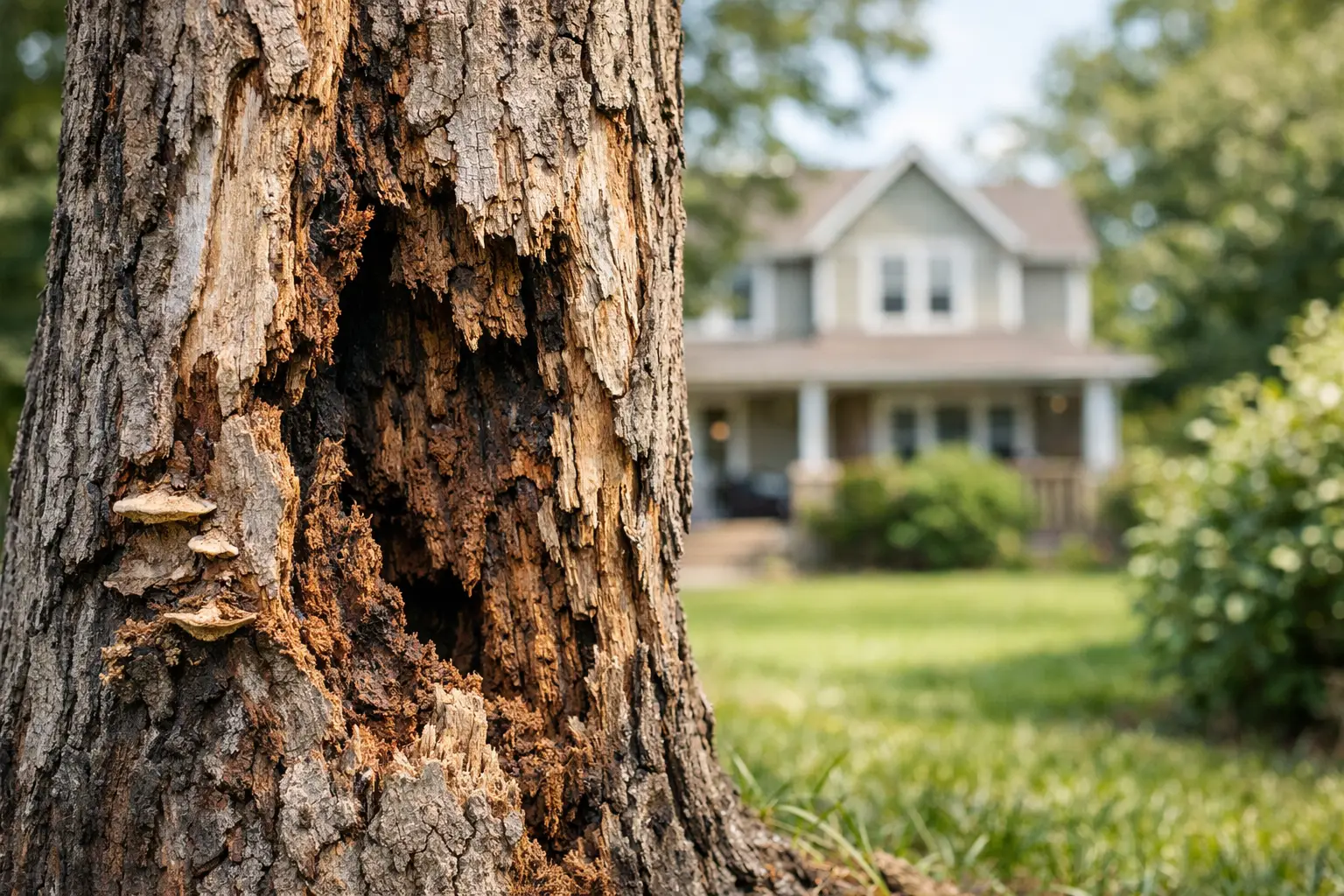
Learn the top signs of tree rot, when decay becomes a safety risk, and how Lafayette homeowners can protect their homes, yards, and families right no…
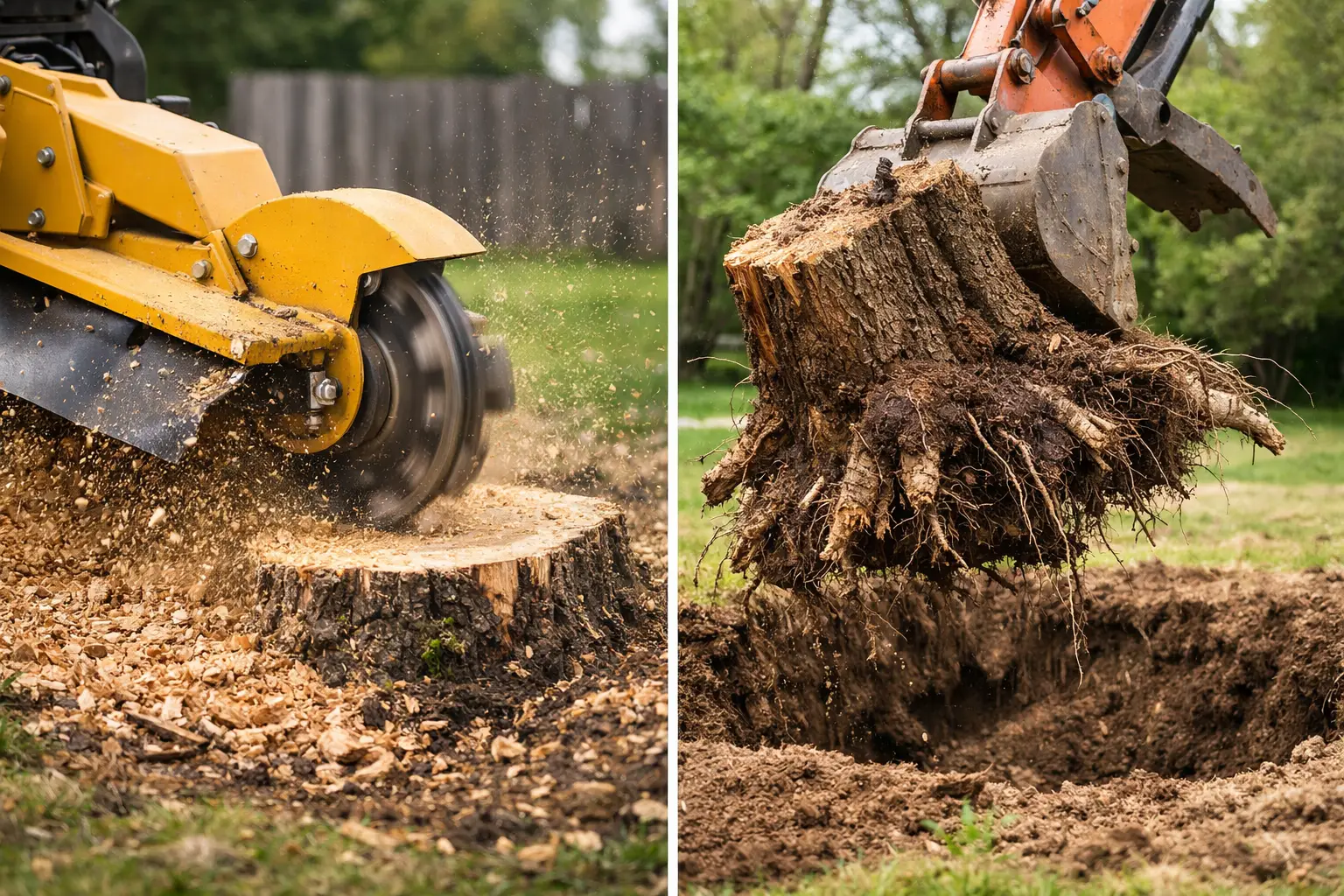
Compare stump grinding versus stump removal to choose the right solution for your Lafayette yard, budget, drainage, landscaping, and future plans wis…
Tell us about your trees and we'll get back to you, usually the same day.
“They were prompt for the actual survey and gave a fair estimate. Crew showed up and did the job ahead of planned date and did an amazing job.”
Loading the quote form…
Form not showing? Open the quote form or call (337) 568-2739.
Get a free, no-obligation estimate from Lafayette's locally owned tree service.