

When to Call a Licensed Arborist in Lafayette
When should Lafayette homeowners call a licensed arborist? Learn when an expert assessment, pruning, removal, or support helps protect your property.
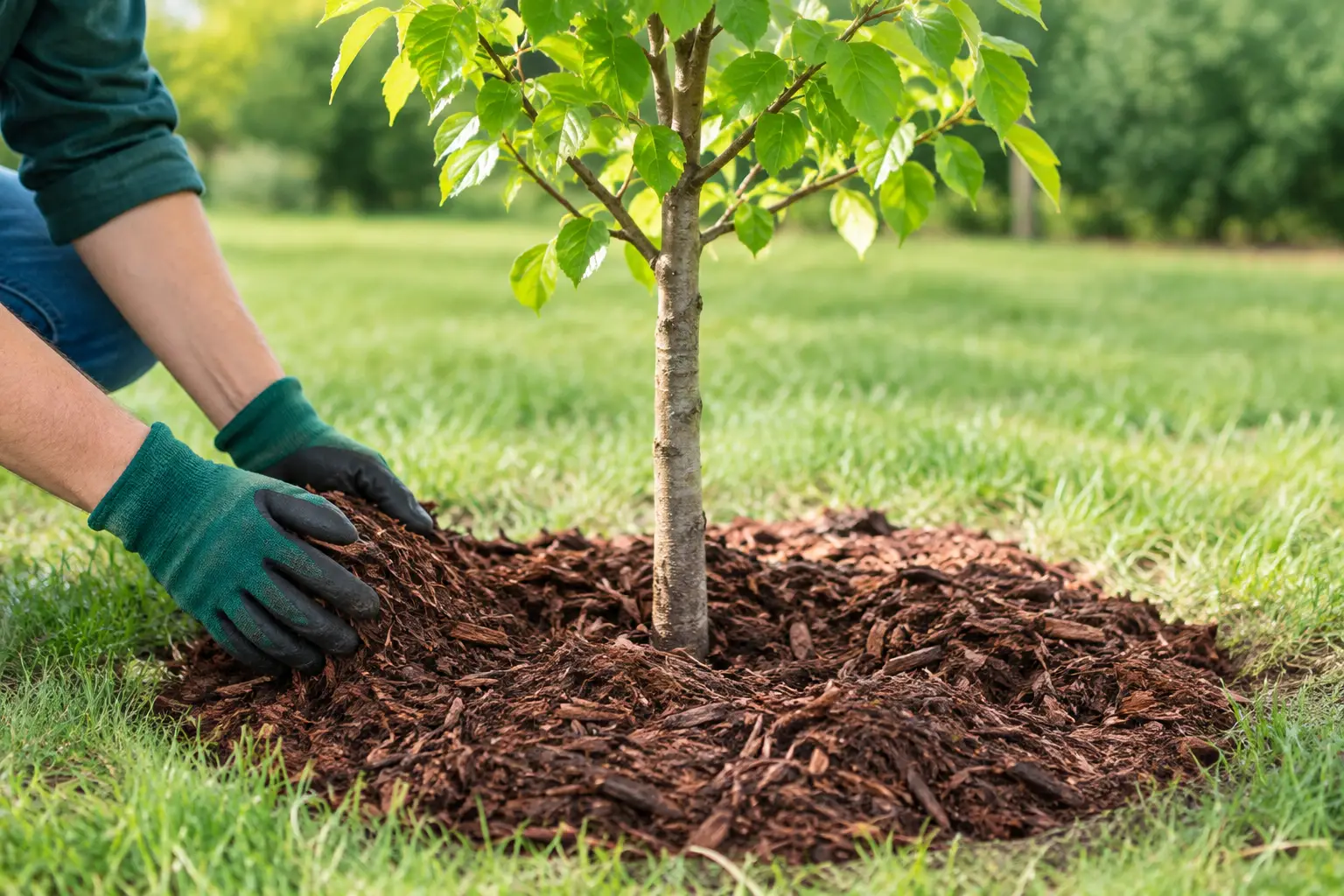
A newly planted tree can look settled in while its root system is still working hard underground. In Lafayette and across Acadiana, heat, heavy rain, compacted soil, and lawn competition can all make that first year difficult. When you mulch newly planted trees correctly, you give roots a more stable place to establish without creating the moisture and decay problems that come from piling mulch against the trunk.
Mulch is one of the simplest ways to protect a new tree, but the details matter. The wrong depth, the wrong material, or a mulch pile shaped like a volcano can hold too much moisture around the trunk, invite pests, and encourage roots to grow where they do not belong. A properly built mulch bed supports healthy growth while keeping the tree’s base visible and dry.
Newly planted trees have a limited root system compared with established trees. Until those roots spread into the surrounding soil, the tree depends on consistent moisture and protection from stress. A layer of mulch helps slow evaporation, keeps soil temperatures more even, and reduces competition from grass and weeds.
That last point is especially useful in residential yards. Turfgrass may seem harmless, but it competes with young tree roots for water and nutrients. It also creates a need for mowing and trimming close to the trunk, where a string trimmer or mower can damage bark. Even a small wound can interfere with the tree’s ability to move water and nutrients.
Mulch also improves the appearance of a fresh planting. Instead of a small tree sitting in a rough patch of exposed dirt, a clean mulch ring creates a finished landscape bed and gives the trunk room away from lawn equipment. The goal is not just a neater yard. It is fewer stressors while the tree becomes established.
Start with a broad, shallow ring rather than a tall mound. Spread mulch about 2 to 4 inches deep across the root zone. For most new trees, extending the mulch ring at least 2 to 3 feet from the trunk is a good starting point. If space allows, a wider ring is even better because it reduces more turf competition.
Keep mulch several inches away from the trunk on all sides. The root flare - the area where the trunk naturally widens before becoming roots - should remain visible above the soil line. Think of the finished bed as a flat donut, not a volcano. The open center allows air to reach the base of the tree and prevents constant dampness against the bark.
After spreading mulch, check it after a hard rain. Louisiana downpours can move material toward the trunk or compact the surface. Pull it back if needed, and add a small amount only when the layer has thinned. More mulch is not always better. A thick, dense layer can block oxygen from reaching the soil and keep roots too wet.
Use your hand or a small garden trowel to check the mulch depth in several spots. If it is deeper than four inches, rake some away. If bare soil is showing throughout the bed, add enough mulch to restore an even layer. Keeping the depth consistent matters more than making the bed look heavily covered.
Mulch should cover soil, not bury the tree. If you cannot clearly see where the trunk meets the root flare, remove mulch and, if necessary, excess soil from that area. Trees planted too deeply and then heavily mulched are at greater risk for weak growth, root problems, and trunk decay.
Natural, organic mulch is usually the best choice for residential trees. Shredded bark, pine straw, pine bark nuggets, and arborist wood chips can all work well when applied correctly. As these materials break down, they add organic matter to the soil and support healthier soil conditions over time.
Arborist wood chips are a practical option after pruning or tree removal work. They are often mixed in size and texture, which helps them stay in place and allows water to pass through. They may not have the uniform appearance of bagged landscaping mulch, but they provide excellent root-zone protection when spread evenly.
Pine straw is common in Louisiana landscapes and works well around trees when it is not packed tightly. It is lightweight, easy to refresh, and has a natural look. Because it can shift in strong rain or wind, check the area periodically and keep it from building up around the trunk.
Avoid fresh, uncomposted material from unknown sources, especially if it smells sour or appears moldy. Also be cautious with rock mulch around young trees. Stone does not improve soil as it breaks down, and it can absorb and radiate heat during hot weather. In sunny parts of a lawn, that added heat can make it harder for a young tree to manage summer stress.
A mulch volcano is a tall pile of mulch pushed directly against a tree trunk. It is a common landscaping mistake because it looks tidy at first and may seem like extra protection. In reality, it can create a serious long-term problem.
Bark is meant to stay relatively dry and exposed to air. When mulch sits against it, trapped moisture can soften the tissue and encourage decay. The covered area can also become attractive to insects and rodents. In some cases, roots begin growing upward into the mulch rather than outward into the surrounding soil, leaving the tree less stable as it matures.
Do not let a mulch bed become a storage pile for leaves, grass clippings, or old landscape debris. A thin layer of fallen leaves can be beneficial, but a dense mat can hold moisture and limit airflow. Keep the tree’s root flare clear every time you refresh the bed.
Mulch helps conserve moisture, but it does not replace watering. Newly planted trees need deep, consistent watering while roots establish. The exact schedule depends on the tree species, soil type, weather, and rainfall, but the soil beneath the mulch should be moist, not saturated.
During dry periods, water slowly so moisture reaches the root ball and the surrounding soil. A quick spray from a hose often wets only the surface. Slow soaking is more useful because it encourages roots to grow outward and downward. Check soil several inches below the mulch before watering again. If it is still wet, wait rather than adding more water.
Heavy rain changes the equation. In low-lying yards or areas with clay-heavy soil, water may remain around the root zone longer than expected. If the mulch feels constantly soggy or the tree’s leaves are yellowing and dropping outside the normal seasonal pattern, drainage may be the issue rather than a lack of water. Adding more mulch will not fix poor drainage.
A new mulch bed is not a one-time task. Check it every few weeks during the growing season and after major storms. Pull weeds by hand before they become established, rake mulch back into an even layer, and keep the trunk clear.
As the tree grows, widen the ring instead of making it deeper. Extending the mulched area gradually reduces lawn competition as roots spread. This approach is especially helpful for trees planted near driveways, patios, fences, or other areas where root space is limited.
Watch for signs that the tree needs more than routine mulch maintenance. Leaning, cracked bark, poor leaf growth, dieback, fungal growth at the base, or exposed roots can point to planting, drainage, or structural concerns. A qualified tree care professional can assess whether the issue is related to planting depth, soil conditions, storm damage, or the tree itself.
A young tree adds shade, value, and character to a property, but it needs a strong start to deliver those benefits for years to come. A wide, shallow mulch ring gives it breathing room, protects the soil, and keeps mower damage away from the trunk.
Take a few minutes after each storm or lawn service to make sure the root flare remains visible and the mulch has not drifted into a pile. That small habit can help your new tree establish safely and grow into an asset for your home rather than a future tree-care concern.

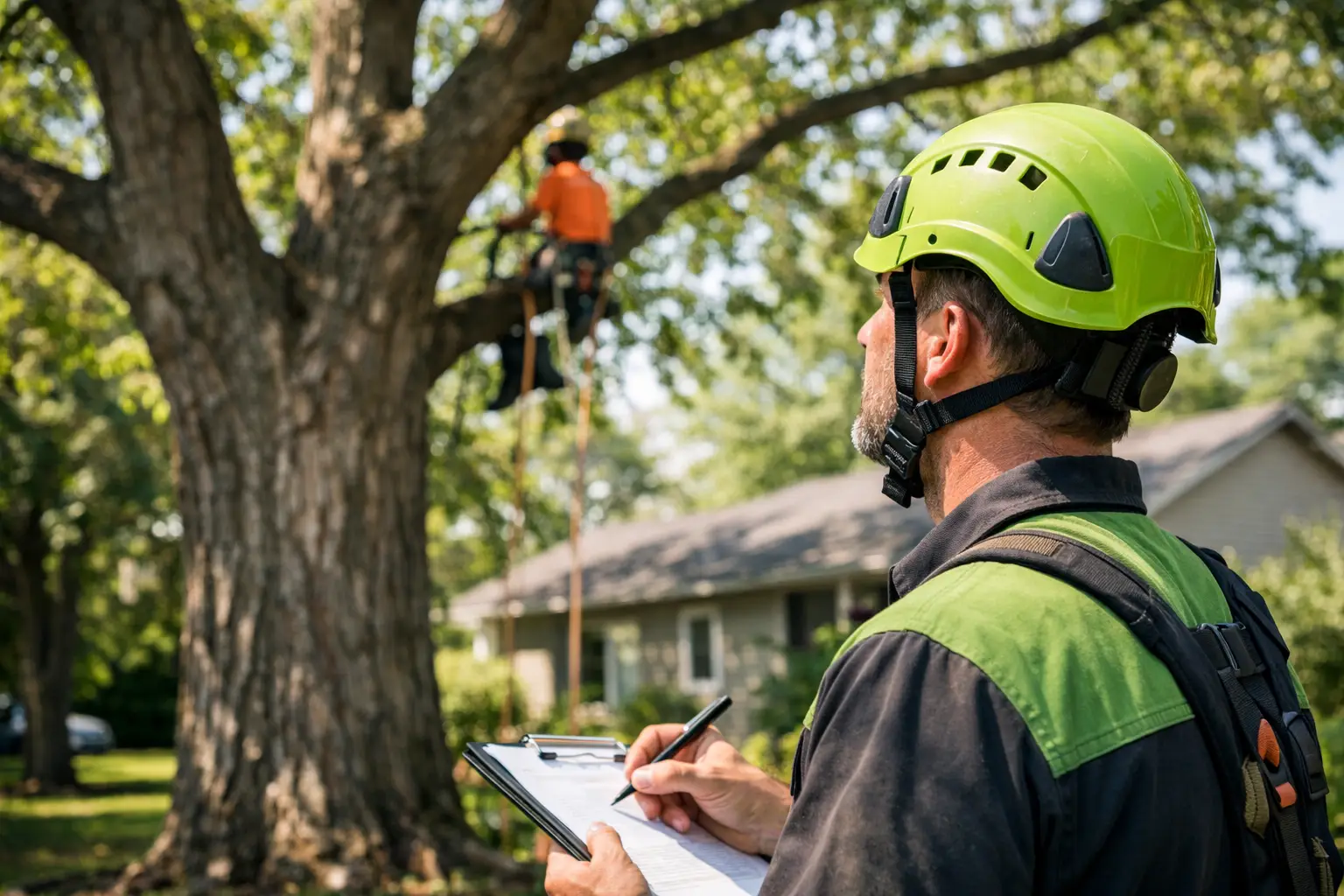
When should Lafayette homeowners call a licensed arborist? Learn when an expert assessment, pruning, removal, or support helps protect your property.
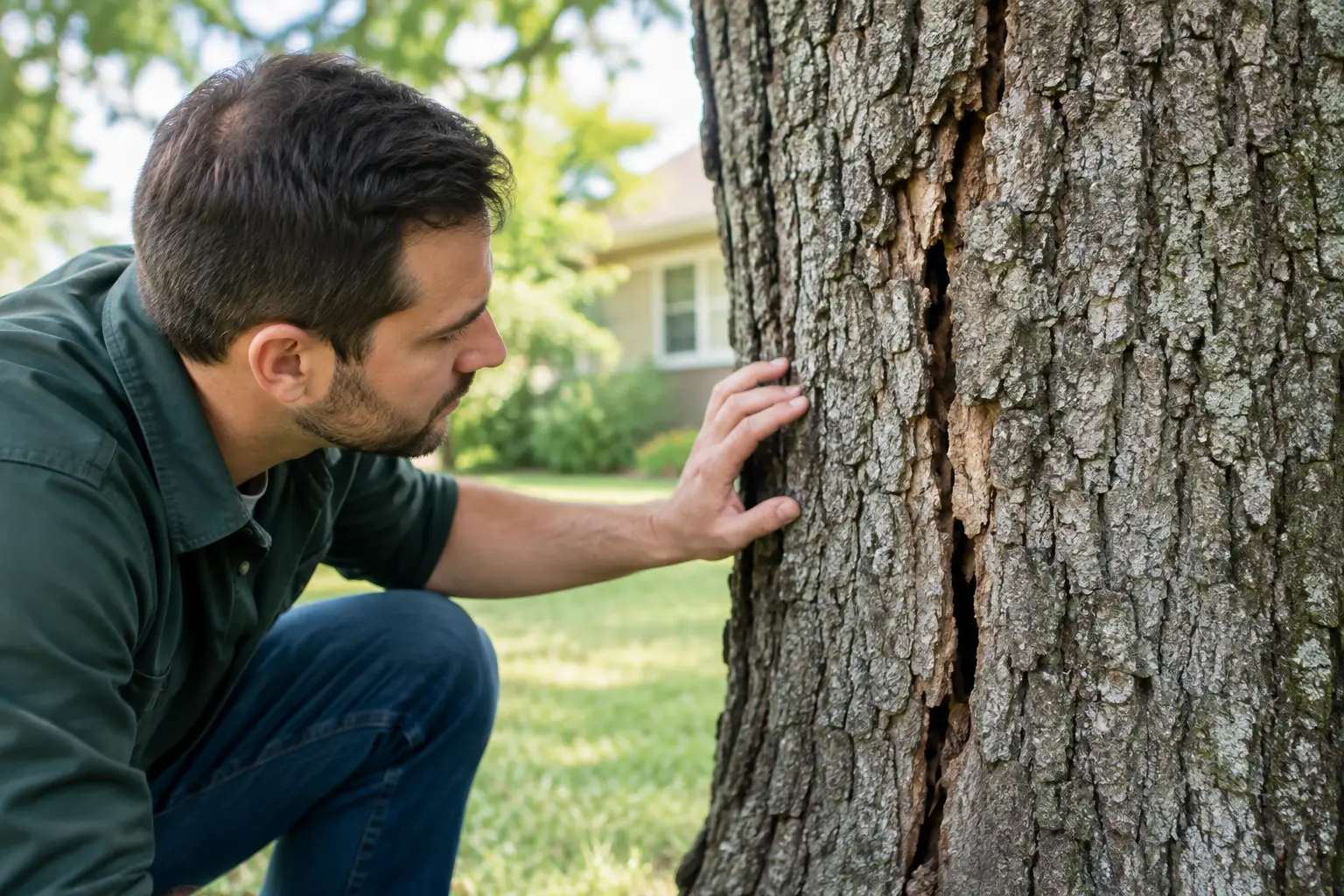
Are tree cracks dangerous? Learn which trunk splits signal a hazard, what causes them, and when Lafayette homeowners should call a nearby tree profes…
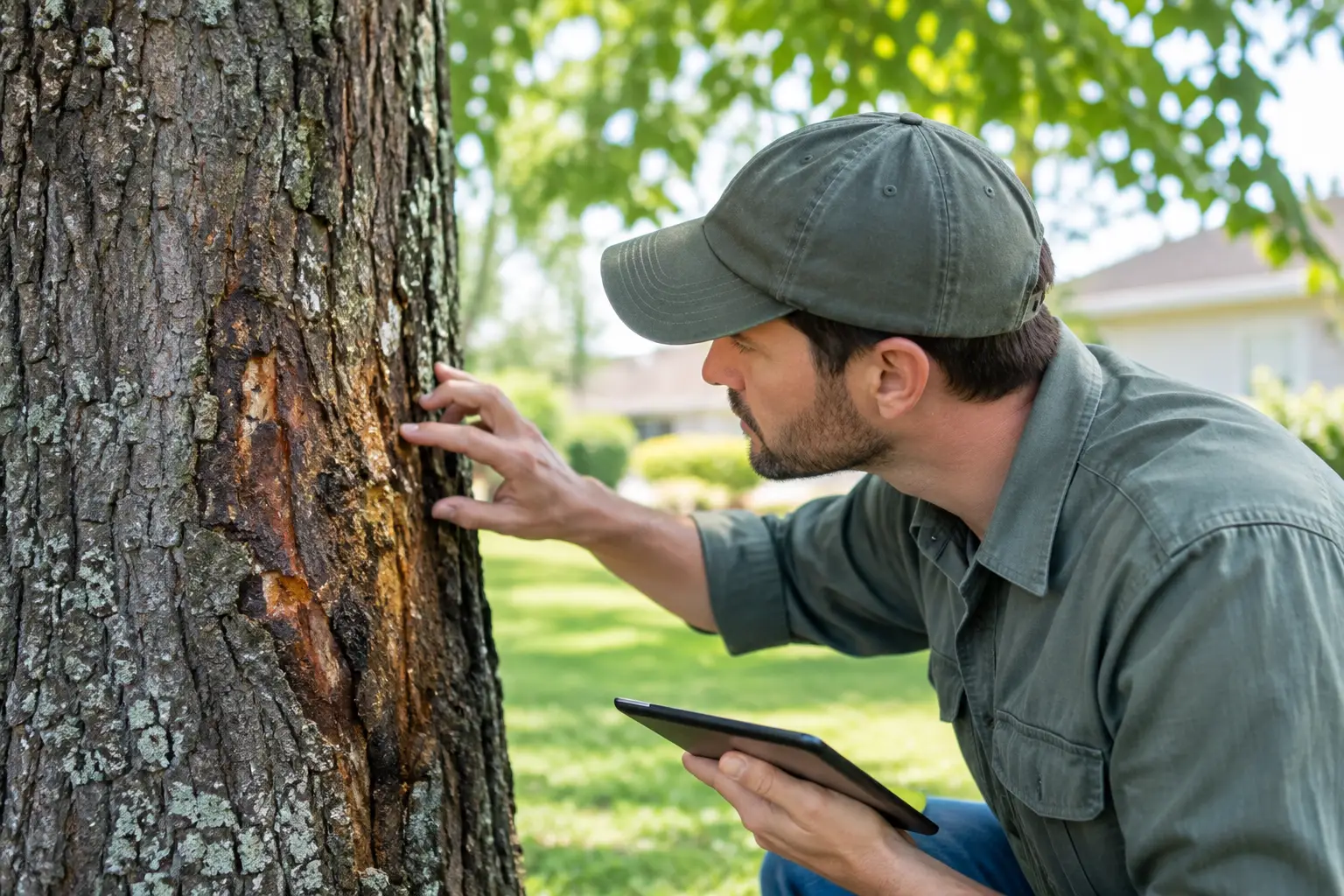
Get practical tree disease diagnosis Louisiana guidance: spot warning signs, protect your home, and know when professional tree care is needed right…
Tell us about your trees and we'll get back to you, usually the same day.
“They were prompt for the actual survey and gave a fair estimate. Crew showed up and did the job ahead of planned date and did an amazing job.”
Loading the quote form…
Form not showing? Open the quote form or call (337) 568-2739.
Get a free, no-obligation estimate from Lafayette's locally owned tree service.