

Who Clears Tree Debris From Your Property?
Wondering who clears tree debris after storms, trimming, or tree removal? Learn when to call professional crews for safe, full yard cleanup in Acadia…
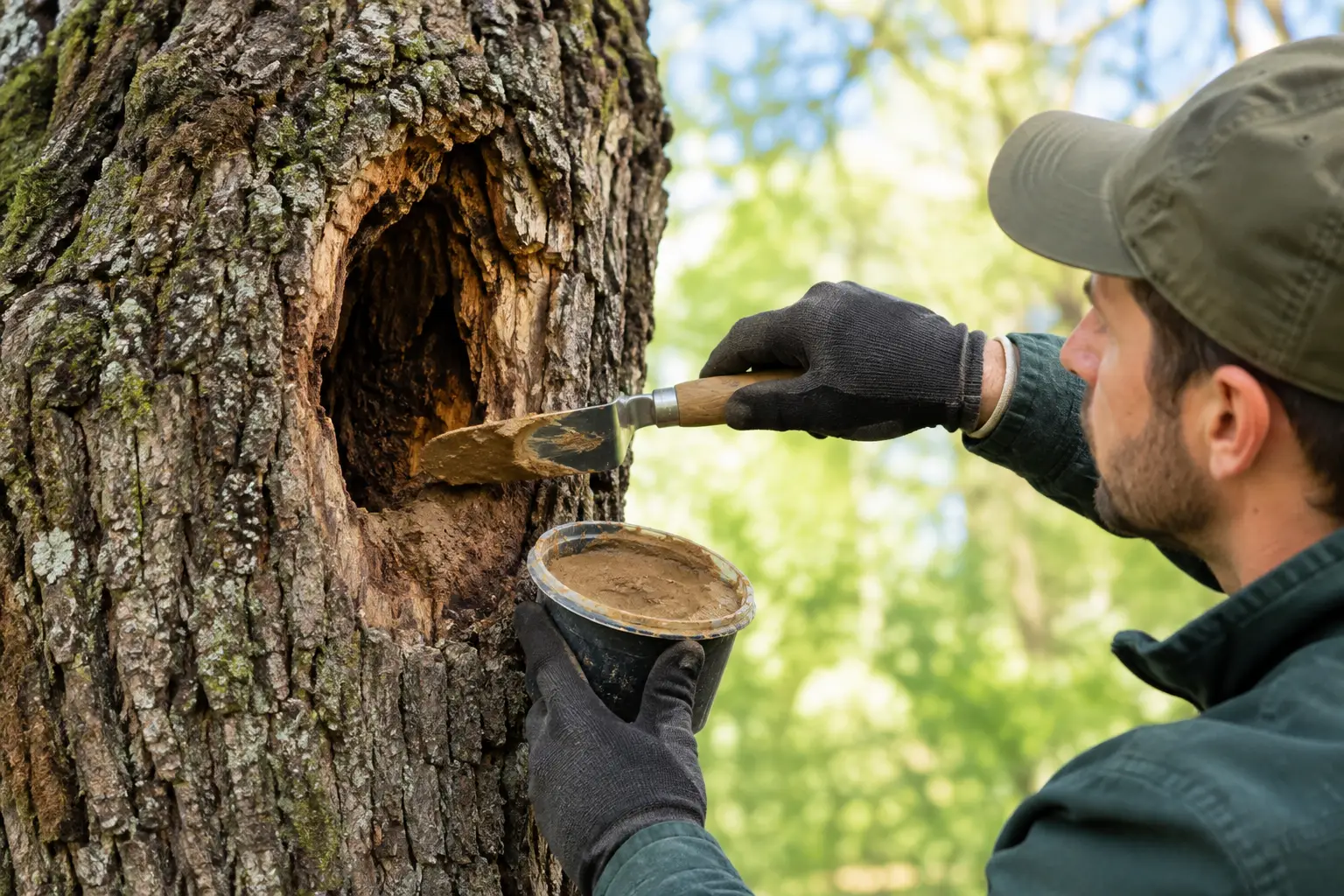
A hollow spot in a mature oak can make any homeowner look up at the roof, driveway, or patio beneath it and worry. Can tree cavities be repaired? Usually, not in the way people mean when they ask. A tree cannot regrow missing wood or close a deep hollow like a contractor repairs a hole in a wall. The right response is to evaluate the tree’s remaining strength, reduce unnecessary stress, and decide whether pruning, structural support, monitoring, or removal is the safest option.
For property owners in Lafayette and across Acadiana, that decision matters even more after heavy rain, high winds, and hurricane-season storms. A cavity may be only a cosmetic issue in one tree and a serious failure risk in another. Location, size, decay, species, root condition, and nearby targets all affect the recommendation.
Filling a cavity with concrete, expanding foam, tar, gravel, or other materials was once common advice. Modern arboriculture does not generally recommend it. These materials do not restore the trunk’s living structure, stop internal decay, or make the tree reliably stronger.
In some cases, filler can trap moisture against the wood, hide worsening decay, or interfere with inspection. Concrete is particularly problematic because it is rigid while a living tree moves and grows. That mismatch can create additional cracking and damage over time. Foam may seem lighter, but it still does not reconnect healthy wood or solve the cause of the cavity.
Trees respond to injury differently than people do. They do not heal damaged wood by replacing it. Instead, they form protective barriers around the injured area through a process called compartmentalization. Healthy tissue can continue growing around the wound’s edges, while the tree attempts to limit decay inside. That is why a hollow trunk can sometimes support a living tree for many years, but it is also why the goal is not to patch the hollow shut.
The practical question is not, “What can fill this hole?” It is, “How much sound wood remains, and can this tree safely remain where it is?”
Most cavities begin with an opening that lets decay organisms enter the tree. A broken limb, old pruning wound, lightning damage, storm split, lawn equipment injury, or bark damage can create that opening. Fungi then break down wood inside the trunk or a major limb. The outer layer of living tissue may remain active even as the interior loses strength.
Poor pruning can also contribute. Removing large limbs improperly, leaving stubs, or cutting too close to the trunk makes it harder for a tree to seal off the wound. In Louisiana’s warm, humid climate, decay can advance quickly once conditions support fungal growth.
A cavity is not always a sign that a tree is dying. Large, old trees frequently carry scars from decades of weather and limb loss. But visible hollows, soft wood, loose bark, mushrooms near the base, or cracks around the opening deserve professional attention, especially when the tree stands near people or property.
A qualified tree professional starts with the whole tree, not just the cavity. The visible opening may show only part of the condition inside. An on-site assessment considers the tree’s species, age, canopy health, trunk shape, root flare, lean, past damage, and exposure to wind.
The most important factor is often the amount and condition of sound wood around the cavity. A tree with a small hollow and a thick ring of solid wood may remain stable. A trunk with extensive internal decay, a narrow shell of remaining wood, multiple cavities, or a major crack is a different situation.
The tree’s location changes the risk calculation as well. A decayed tree in an open area away from people may be monitored or pruned to reduce wind load. The same tree leaning over a bedroom, fence, vehicle, play area, or power line may require a more conservative recommendation. A healthy-looking canopy does not guarantee a safe trunk.
Professional assessment may include sounding the trunk with specialized tools, inspecting decay around branch unions, and checking for root problems. When necessary, advanced diagnostic methods can help determine the extent of internal decay. The purpose is to make a site-specific recommendation instead of treating every cavity as an emergency or assuming every hollow tree is safe.
A cavity cannot be structurally rebuilt, but careful tree care can sometimes reduce the chance of failure. Precision pruning may remove dead, cracked, overextended, or heavily loaded branches. Reducing weight in the canopy can lower the stress placed on a compromised trunk or limb during wind and rain.
If a tree has a weak union between two major stems, a properly designed cabling and bracing system may provide supplemental support. These systems are not a cure for decay, and they require appropriate installation and ongoing inspection. Used in the right situation, they can help preserve a valuable tree while reducing movement at a structurally weak area.
Mulching correctly and avoiding further trunk or root damage also support long-term tree health. Keep mulch away from direct contact with the trunk, avoid cutting or compacting roots, and do not pile soil against the base. These steps will not reverse an existing hollow, but they can reduce stress on the tree and help healthy tissues continue functioning.
Call for an assessment promptly if you see a cavity along with any of the following conditions:
These signs do not automatically mean the tree will fail immediately. They do mean the tree should not be dismissed as a simple cosmetic issue. Storm damage can turn a marginal condition into an urgent one, particularly when saturated soil and gusting winds place extra force on roots and trunks.
Removal may be recommended when decay has significantly reduced the trunk’s load-bearing capacity, when a crack indicates an active structural failure, or when the tree’s location leaves little room for error. This can be disappointing when the tree is mature and provides shade, but protecting people and property has to come first.
A safe removal plan accounts for nearby structures, utility areas, fences, landscaping, and access for equipment. Professional crews can dismantle a hazardous tree in controlled sections rather than allowing a weakened trunk to fail unpredictably. Complete debris cleanup and stump grinding can also restore the area for new landscaping or a replacement tree.
If removal is necessary, consider planting a suitable species in a location with adequate room for mature roots and canopy spread. A replacement will not provide immediate shade, but it can become a durable long-term investment in the property.
Do not climb a hollow tree to inspect the opening, probe deeply with tools, or try to cut away decay from inside the trunk. Those actions can damage protective tissues, dislodge weakened wood, and put you in the path of a falling limb or trunk failure.
Avoid sealing the cavity with paint, roofing products, cement, foam, or other household materials. There is no dependable DIY product that makes decayed wood structurally sound again. The safest action is to keep people and vehicles out from beneath questionable limbs and arrange an evaluation.
Apex Tree Care helps homeowners make practical decisions about trees with cavities, decay, storm damage, and structural weaknesses. The work begins with an on-site look at the tree and its surroundings, followed by a clear recommendation based on safety, tree condition, and the needs of the property.
A hollow tree does not always need to come down, and a cavity does not always mean disaster. But it should be treated as useful information from the tree, not a hole to hide. A timely professional assessment can preserve a tree that still has a safe future or prevent a weakened one from becoming the next storm-related property emergency.

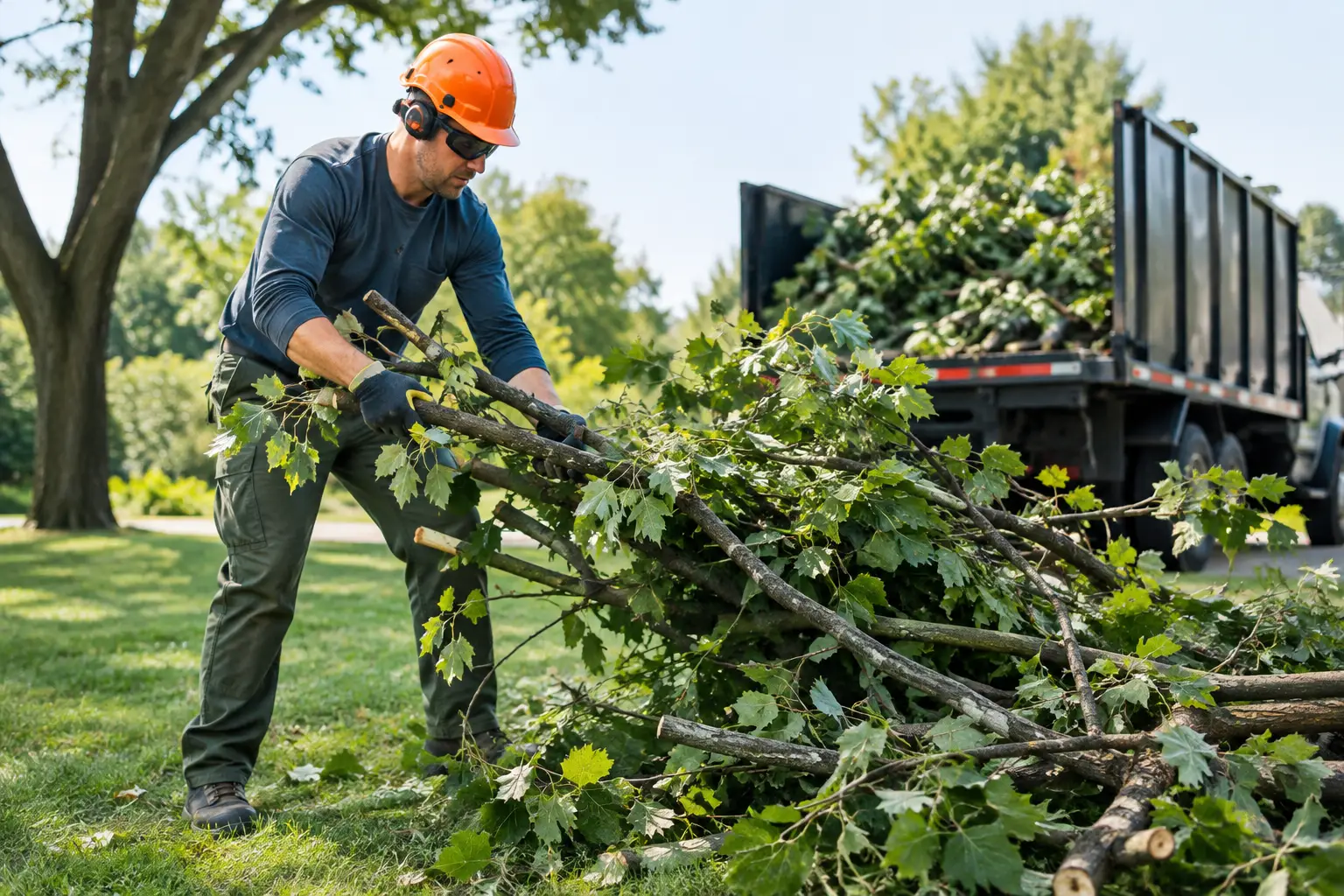
Wondering who clears tree debris after storms, trimming, or tree removal? Learn when to call professional crews for safe, full yard cleanup in Acadia…
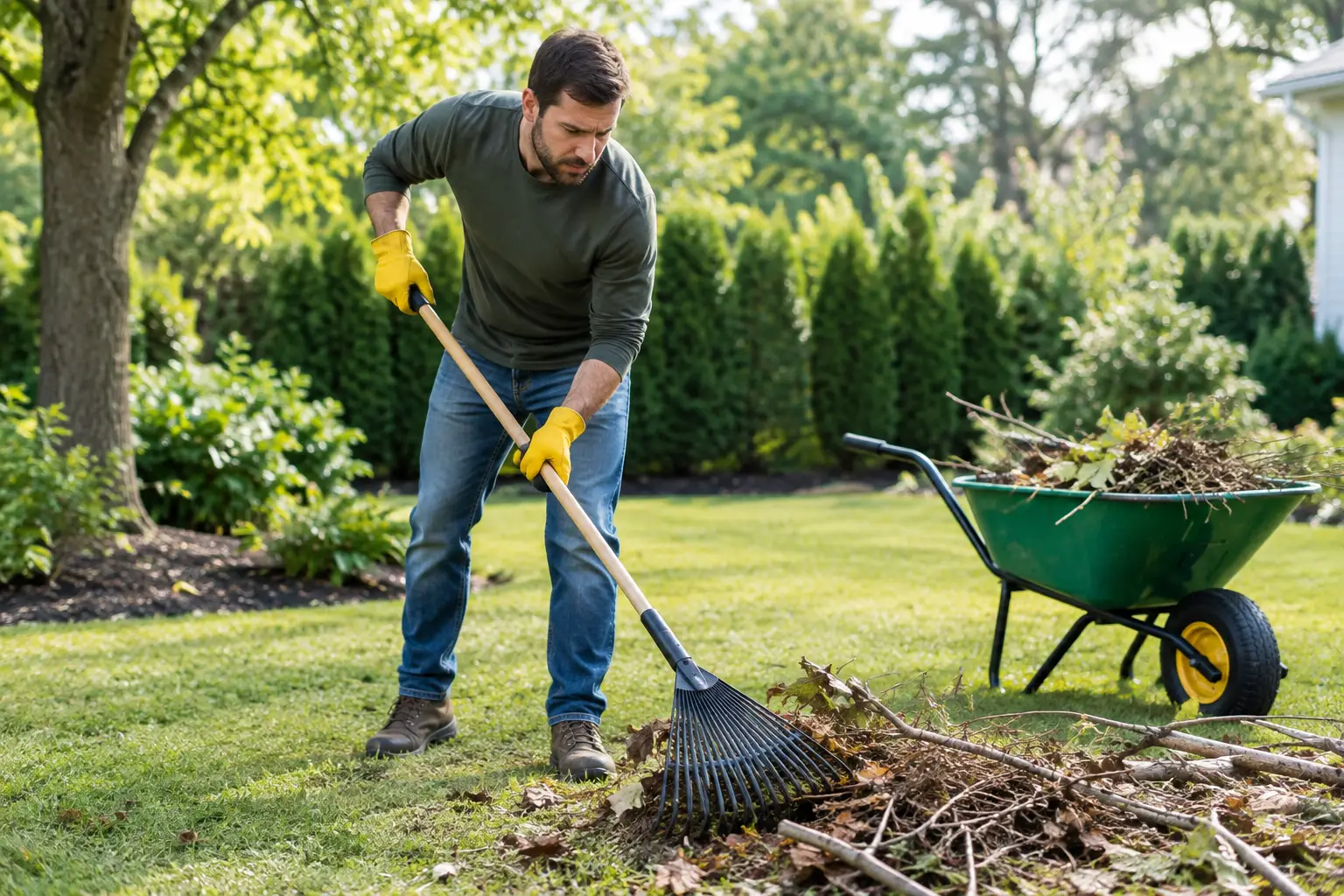
Learn how to clear tree debris safely after storms or trimming, protect your Lafayette property, and know when professional help is the safer choice…
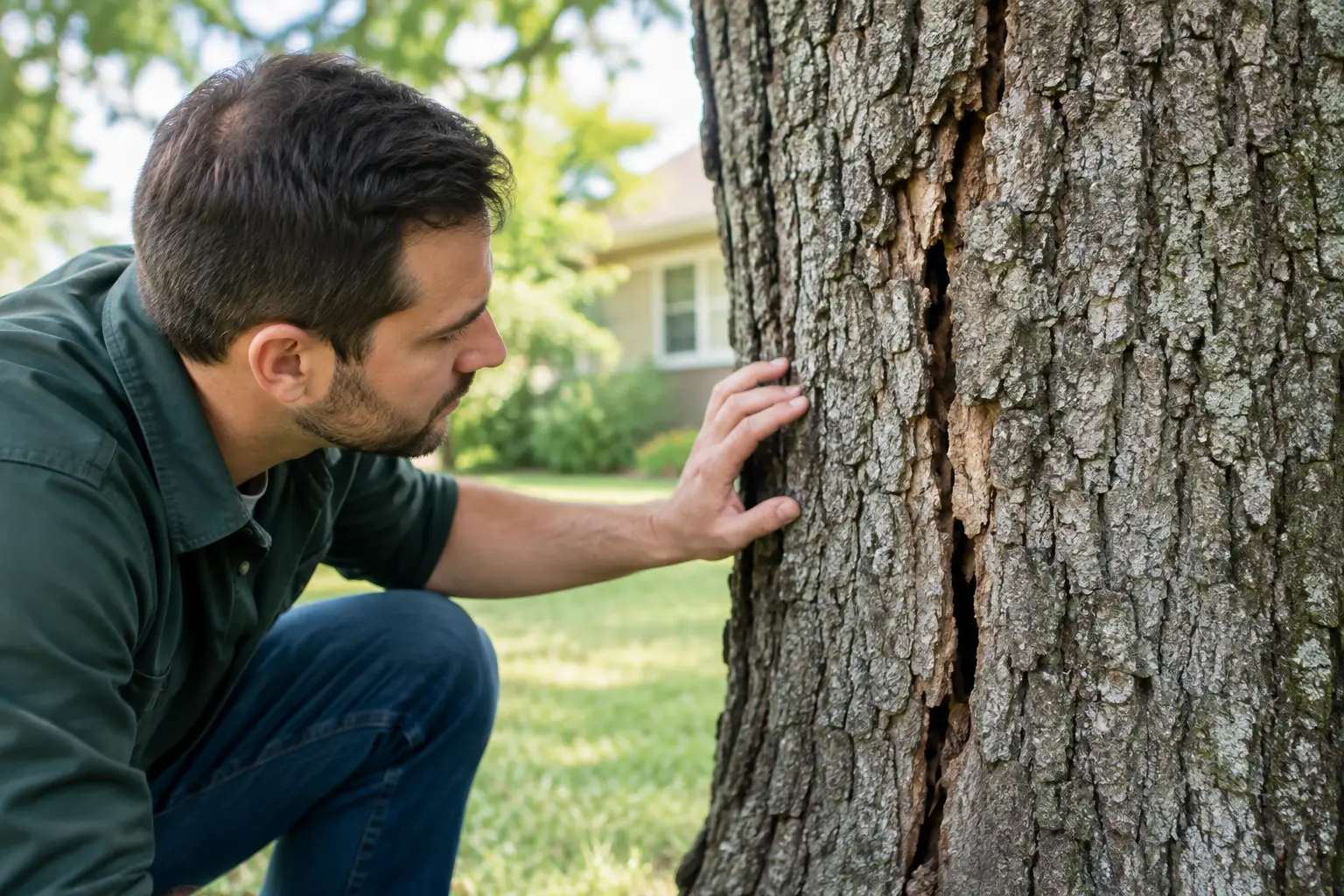
Are tree cracks dangerous? Learn which trunk splits signal a hazard, what causes them, and when Lafayette homeowners should call a nearby tree profes…
Tell us about your trees and we'll get back to you, usually the same day.
“They were prompt for the actual survey and gave a fair estimate. Crew showed up and did the job ahead of planned date and did an amazing job.”
Loading the quote form…
Form not showing? Open the quote form or call (337) 568-2739.
Get a free, no-obligation estimate from Lafayette's locally owned tree service.