

Crown Thinning Versus Topping: Which Is Safer?
See how crown thinning versus topping affects tree health, storm safety, and property risk - and why skilled pruning protects Louisiana and nearby ho…
A branch brushing your roof after a hard Louisiana rain is not just a landscaping annoyance. It can be a warning that the tree needs attention. When homeowners compare pruning versus tree trimming, the terms can sound interchangeable, but they solve different problems. Knowing the difference helps you protect your home, improve your yard, and make a better decision when a tree starts looking overgrown or unsafe.
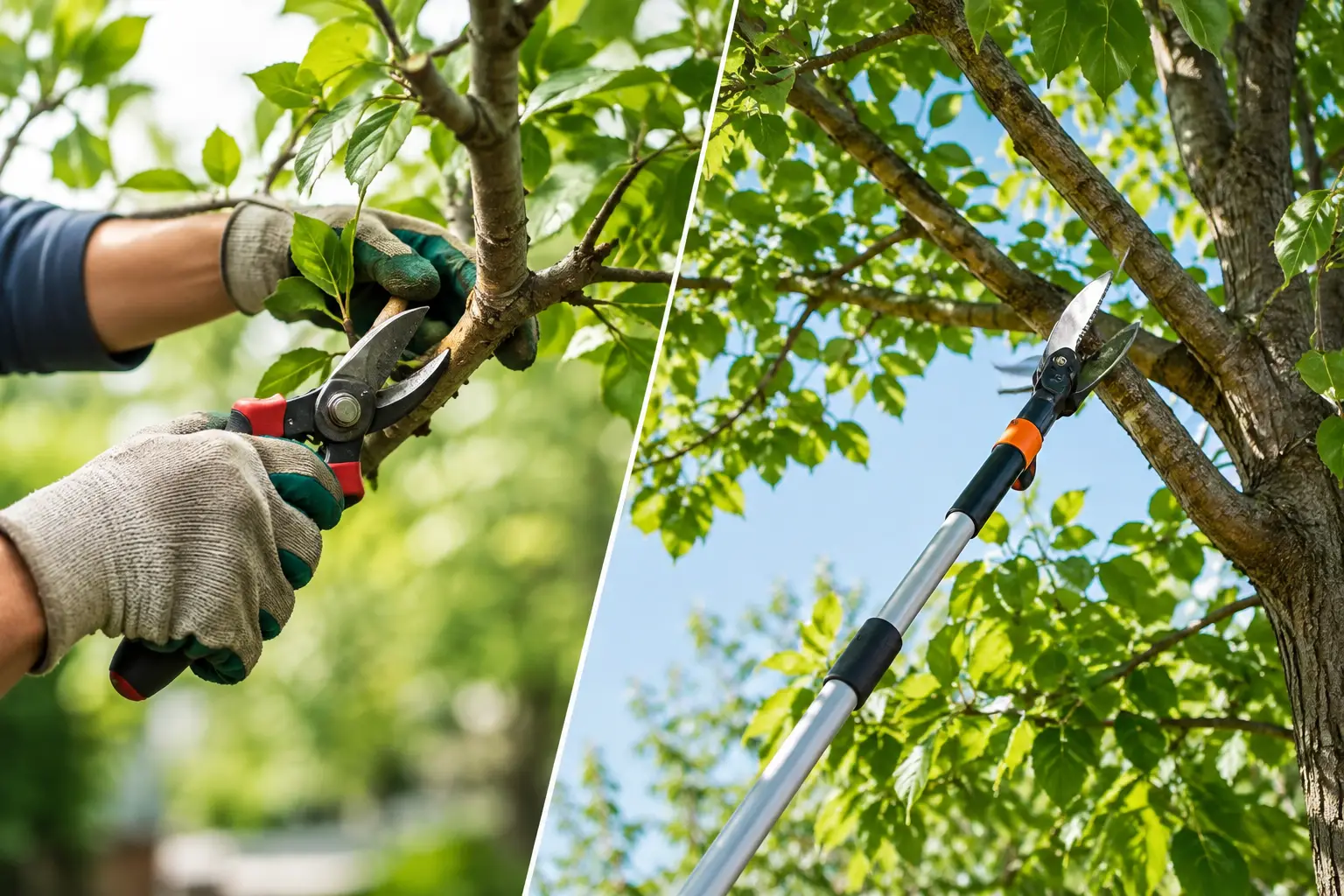
Tree pruning is selective work performed for the tree's health, structure, and long-term safety. A trained crew identifies dead, diseased, rubbing, weak, or poorly positioned limbs and removes them with intentional cuts. The goal is not simply to make a tree smaller. It is to support a stronger, healthier form while reducing future failure risks.
Tree trimming is usually focused on managing a tree's size, shape, clearance, and appearance. It is commonly needed when branches are growing over a driveway, hanging near a roofline, blocking a walkway, crowding a fence, or extending toward utility areas. Proper trimming creates usable space and a cleaner-looking landscape without stripping the tree of the foliage it needs.
The two services often overlap. A crew may prune dead limbs while trimming back growth from a roof, for example. The difference is the primary reason for the work: pruning addresses tree condition and structure, while trimming manages growth and clearance.
Pruning is the better choice when the tree itself shows signs that need correction. Mature oaks, pines, maples, and ornamental trees can develop structural issues slowly, especially after storms, extended wet weather, or years without maintenance. A branch may look alive from the ground while having decay, a weak union, or a crack that makes it more likely to fail.
A professional pruning assessment looks beyond what is visible at eye level. It considers branch attachment, weight distribution, trunk condition, canopy density, nearby targets, and the tree species. This matters because a cut that seems obvious to a homeowner can create a larger problem if it changes how the tree carries wind or seals a wound.
Deadwood removal is one of the most common pruning needs. Dead limbs can fall without warning, particularly during heavy rain, high winds, or storm events common across Acadiana. Removing them protects people, vehicles, patios, roofs, and power-service areas while keeping the tree from wasting resources on declining tissue.
Damaged limbs also deserve prompt attention. A hanging branch may remain attached after a storm, but that does not make it stable. Splintered wood, cracked unions, and partially detached limbs can shift suddenly as they dry or take on additional wind load.
Some trees grow multiple leaders or develop limbs that compete for the same space. Others produce crossing branches that rub together and create wounds. Structural pruning can reduce these conflicts before they become expensive hazards.
Canopy thinning may also be appropriate when a tree has overly dense interior growth. Done carefully, it improves air movement and lets light reach parts of the canopy that are being crowded out. It should not mean aggressively hollowing out the center of the tree. Removing too much interior growth can encourage weak new shoots and leave the tree less prepared for sun and wind exposure.
Young trees benefit from corrective pruning because small adjustments can shape their future structure. Removing one poorly placed limb early is often easier and safer than dealing with a large, competing limb years later. The work should be light and deliberate so the tree can continue developing a healthy canopy and strong root system.
Trimming is often the practical answer when healthy branches are simply growing where they should not. Homeowners may need clearance above a driveway, room around an outdoor living area, better visibility near an entrance, or space between branches and the house.
A well-trimmed tree should still look natural. The objective is measured reduction, not a severely cut-back canopy. For most residential properties, the best result is one that creates room and improves appearance without making the tree look bare, lopsided, or stressed.
Branches resting on a roof can scrape shingles, collect leaves in gutters, and give pests easier access to the structure. Trees that overhang a driveway can interfere with vehicles, delivery access, and visibility. Limbs around patios and play areas can shed twigs, fruit, or larger pieces where people spend time.
Trimming provides the clearance needed to use these spaces safely. The right amount depends on the tree species, branch size, growth rate, and location. Fast-growing trees near a home may need more frequent attention than slow-growing, well-positioned trees farther from structures.
Branches near utility lines are not a routine DIY trimming project. The risk of electrocution is serious, even when a line appears insulated or inactive. If growth is approaching electrical service equipment or overhead lines, contact the utility provider or a qualified tree care professional before anyone climbs, cuts, or uses pole tools in that area.
There is no single calendar date that fits every tree. Species, health, weather patterns, storm damage, and the reason for the cut all affect timing. Still, many trees respond well to planned pruning during dormant or lower-growth periods, when their structure is easier to inspect and pest pressure may be reduced.
Dead, broken, or hazardous branches should not wait for the ideal season. Safety work is needed when the risk is present. Similarly, a limb actively damaging a roof or blocking access may need trimming now, even if a different season would be preferable for routine maintenance.
Louisiana's heat, humidity, and frequent storms add another layer to the decision. Fresh cuts made during stressful weather can be harder on a tree, while storm season can expose weaknesses that were not obvious before. A site-specific assessment is more useful than a one-size-fits-all schedule.
Homeowners often ask for a tree to be “cut back” because it looks large. Size alone is not always a problem. Severe topping, which removes large upper portions of a tree or leaves blunt branch stubs, can trigger weak regrowth, increase decay, and create a more hazardous tree over time.
Over-trimming can also reduce the tree's ability to produce energy, expose limbs to sunscald, and upset its natural balance. The tree may respond with fast, upright shoots that are more weakly attached than the original branches. That can make the property look better briefly while increasing the amount of corrective work needed later.
Professional pruning and trimming use proper cut placement and measured canopy reduction. The work considers what should remain, not just what should be removed. This is especially valuable for large, mature trees near homes, fences, pools, sheds, and neighboring properties.
Before cutting begins, a responsible crew should evaluate the tree, surrounding structures, access route, and cleanup needs. The plan may include pruning, trimming, cabling or bracing for a structurally weak limb, or removal if the tree is too compromised to retain safely.
Professional equipment and controlled work practices matter when branches are heavy, elevated, or located above valuable property. A crew should be able to lower material safely, protect landscape features where possible, and remove debris so the yard is usable when the job is finished. At Apex Tree Care, recommendations are based on the conditions at your property, not a generic cutting formula.
For small, reachable twigs, a homeowner may be able to handle basic maintenance with clean, sharp hand tools. Anything involving climbing, chainsaws, ladders, large limbs, storm damage, or nearby utilities is better left to trained professionals. The cost of a preventable injury or property strike is far greater than the convenience of doing it yourself.
Instead of choosing between pruning and trimming by name, start with the result you need. Are dead limbs threatening the yard? Is a heavy branch developing a crack? Are healthy branches crowding your roofline or driveway? Is the tree losing shape after a storm?
Those answers point to the right service. Pruning supports health and structural safety. Trimming manages clearance and appearance. In many cases, the safest plan uses both with a clear purpose for every cut. A healthy tree does more than improve curb appeal - it provides shade, character, and value without putting your property in a difficult position when the next storm rolls through.

See how crown thinning versus topping affects tree health, storm safety, and property risk - and why skilled pruning protects Louisiana and nearby ho…
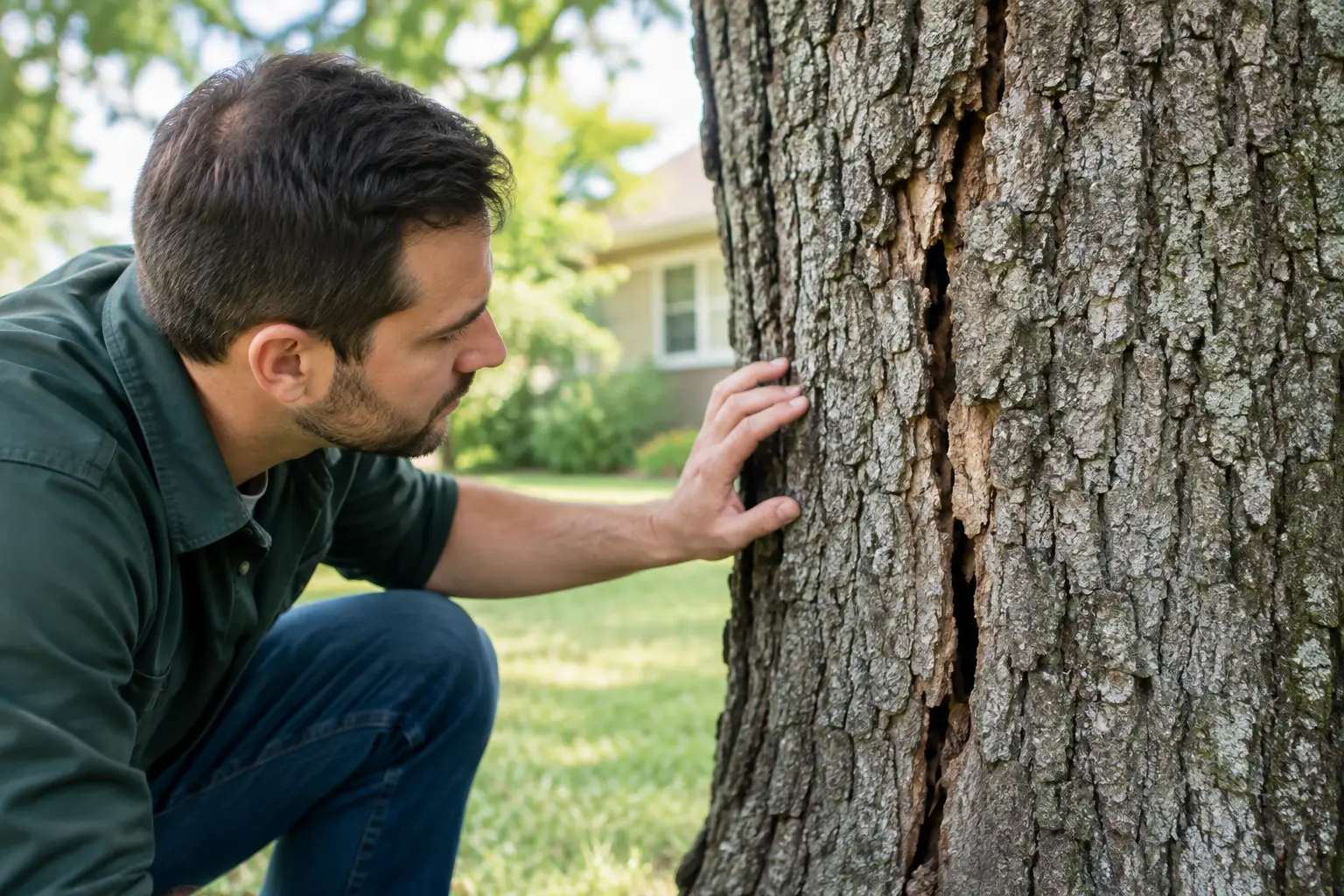
Are tree cracks dangerous? Learn which trunk splits signal a hazard, what causes them, and when Lafayette homeowners should call a nearby tree profes…
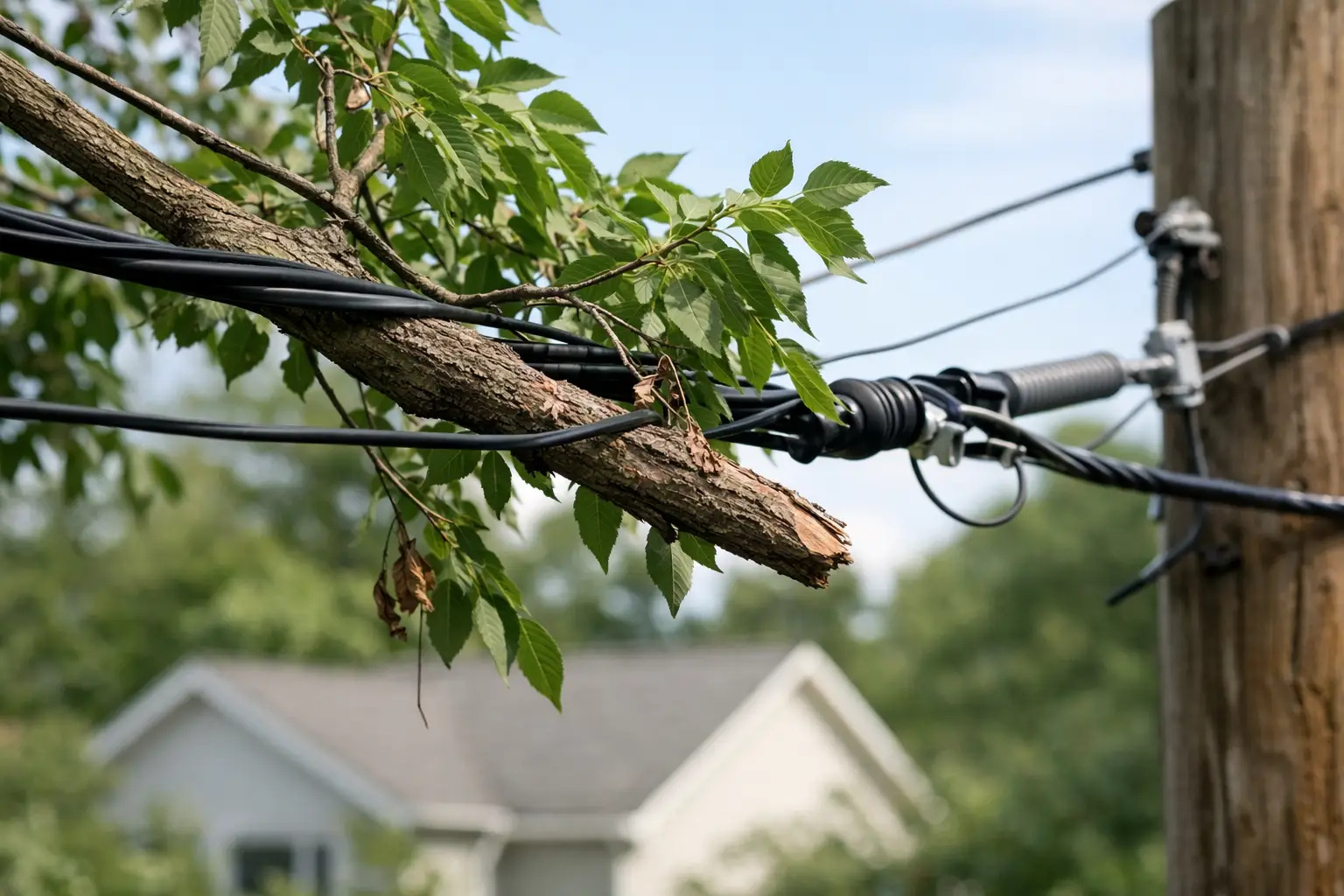
Branches touching power lines safety starts with distance: learn what to do, when to call the utility, and how to protect your Louisiana home and yar…
Tell us about your trees and we'll get back to you, usually the same day.
“They were prompt for the actual survey and gave a fair estimate. Crew showed up and did the job ahead of planned date and did an amazing job.”
Loading the quote form…
Form not showing? Open the quote form or call (337) 568-2739.
Get a free, no-obligation estimate from Lafayette's locally owned tree service.