

Crown Thinning Versus Topping: Which Is Safer?
See how crown thinning versus topping affects tree health, storm safety, and property risk - and why skilled pruning protects Louisiana and nearby ho…
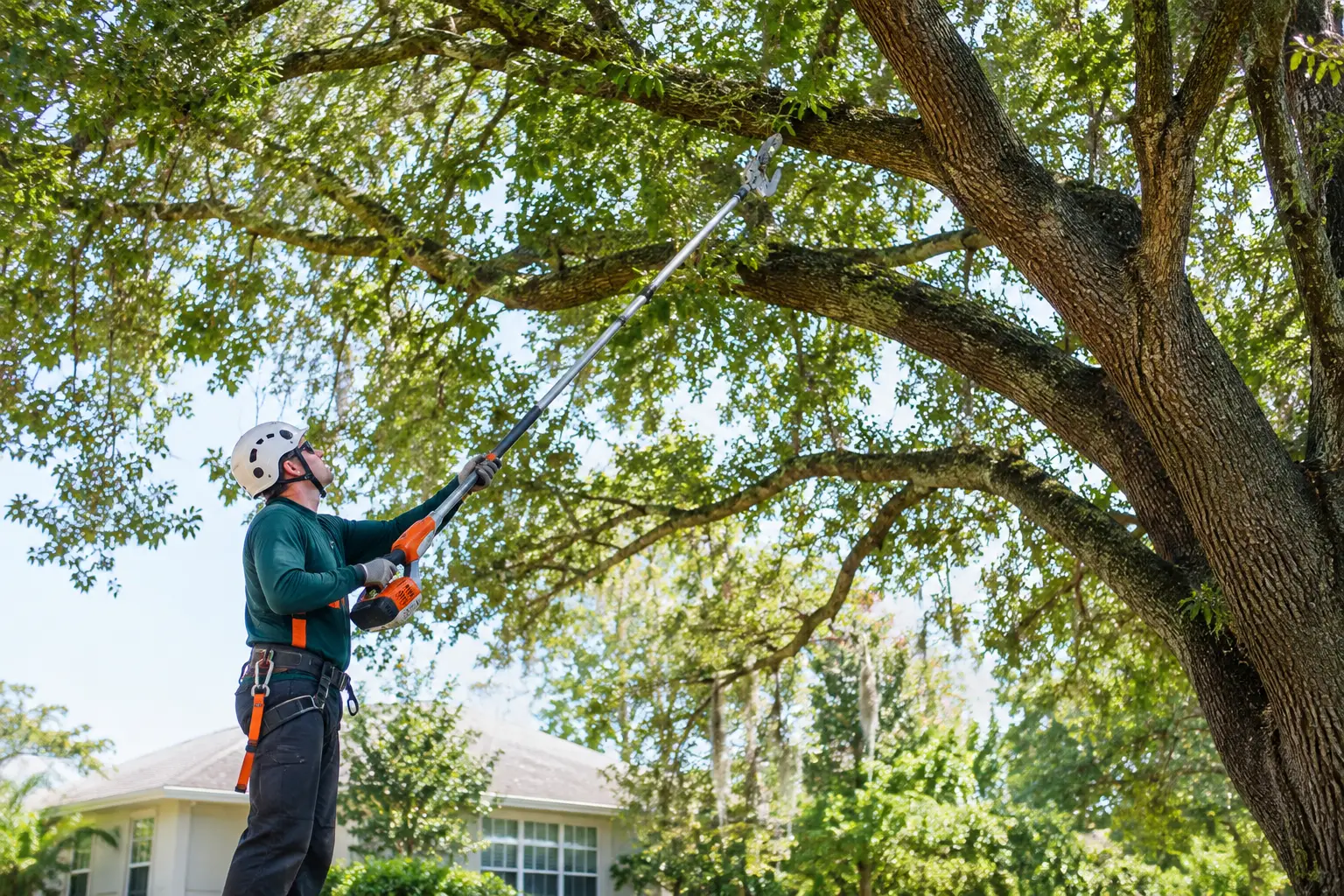
A mature live oak can be the centerpiece of a Louisiana yard for generations, but its broad, heavy limbs need attention as they grow. Thoughtful live oak trimming keeps branches clear of roofs, driveways, walkways, and outdoor spaces without sacrificing the shade and character homeowners value. The goal is not to make the tree smaller at any cost. It is to reduce risk, support healthy structure, and keep the property usable.
For homeowners in Lafayette and surrounding Acadiana communities, trimming decisions often become urgent after a limb starts brushing the roof, hanging over a parking area, or showing storm damage. A professional assessment can separate a routine pruning need from a structural concern that calls for more involved support or removal.
Live oaks are built differently from many smaller landscape trees. Their limbs often extend far beyond the trunk, carrying substantial weight over patios, fences, pools, and homes. Their dense canopies also catch wind, which can place added pressure on long horizontal limbs during Louisiana storms.
That does not mean a large live oak should be aggressively cut back. Removing too much live growth at once can stress the tree, trigger weak new shoots, and leave large wounds that take longer to close. Topping, or cutting major limbs back indiscriminately, is especially damaging. It changes the tree's natural form and can create poorly attached regrowth that becomes a future hazard.
Precision pruning works with the tree's structure. A trained crew identifies deadwood, rubbing limbs, overextended branches, poor branch attachments, and areas where weight can be reduced without stripping away the canopy. The result should look natural from the ground while making a meaningful difference in safety and clearance.
Some pruning needs are easy to see. A branch touching shingles, blocking a driveway, or hanging low over a sidewalk deserves prompt attention. Other warning signs are less obvious, especially in a large, established tree.
Dead branches are a priority because they can fall without warning. Look for limbs with peeling bark, no healthy foliage during the growing season, visible decay, cracks, or sections that have broken but remain caught in the canopy. Storms can also leave split limbs or partially detached branches high above the ground. Those should not be treated as a weekend ladder project.
Live limbs may need pruning when they are growing toward a roof, crowding another major limb, scraping gutters, blocking exterior lighting, or extending over places where people and vehicles regularly pass. Clearance pruning can prevent expensive roof, siding, fence, and vehicle damage before a strong wind turns a minor issue into an emergency.
A tree that suddenly appears thin, has dieback at branch tips, or develops mushrooms near its base may have a health or decay issue beyond standard trimming. In those cases, pruning may be only part of the recommendation. An on-site evaluation helps determine whether the tree can be managed safely or whether a more significant solution is needed.
Timing depends on the reason for the work. Broken, hanging, or hazardous limbs should be addressed promptly regardless of season. Waiting on a damaged branch over a roof or driveway adds unnecessary risk.
For planned maintenance, cooler months are often a practical time to prune because the tree is under less active growth pressure and crews can better see the branch structure. However, weather, tree condition, storm preparation needs, and the scope of pruning all matter. A branch growing into a structure should not be ignored simply because it is not the preferred pruning season.
In southern Louisiana, homeowners should also consider the hurricane season. Scheduling maintenance before periods of severe weather can reduce the chance of deadwood and overextended limbs becoming airborne hazards. Still, storm preparation is not a reason to remove large portions of a healthy canopy. Properly targeted cuts are safer and healthier than a rushed, heavy-handed trim.
Good pruning is more than cutting what appears too long. Before work begins, a professional crew should inspect the full tree and the space beneath it. That includes the trunk, major branch unions, canopy balance, nearby structures, access points, and the location of utility lines.
The trimming plan may include deadwood removal, selective thinning in crowded areas, reduction cuts to shorten an overextended limb, and clearance pruning above roofs or walkways. Each cut should have a purpose. Removing a smaller branch back to an appropriate lateral branch is usually preferable to leaving a stub or making a random cut through a major limb.
For heavy limbs, safe rigging and controlled lowering may be necessary to protect the home, landscaping, fence, and nearby hardscape. This is one reason large-tree work is not suited to improvised equipment. A falling section can cause major damage even when the cut itself is correct.
Complete cleanup matters, too. When the crew leaves, the yard should not be covered in sawdust, twigs, and branch sections. Professional tree care includes removing debris and leaving the work area clean and usable.
Not every weak-looking limb needs to be removed. Some mature live oaks have large co-dominant stems or extended limbs with structural weaknesses that may benefit from a cabling or bracing system. These systems can provide supplemental support when designed for the specific tree and installed correctly.
Cabling is not a cure for decay or a substitute for pruning. It is a management tool that may help preserve a valued tree or limb when the structure is otherwise suitable. A qualified assessment can explain whether support, weight reduction, monitoring, or removal is the responsible option.
The most expensive mistakes usually start with good intentions. Cutting every low limb can expose a trunk and make the landscape look bare, while removing too much canopy can weaken the tree over time. Live oaks need a balanced crown and enough foliage to produce energy.
Avoid climbing with a chainsaw, using a ladder near overhead limbs, or attempting to cut branches close to power lines. If a limb is within or near a utility area, contact the utility provider or a qualified tree service that can coordinate safe work. No branch is worth a serious injury or electrical hazard.
It is also wise to avoid treating wound paint as a solution after pruning. Clean, properly placed cuts and a healthy tree are generally more useful than coating wounds. The focus should be on sound pruning practices, not quick cosmetic fixes.
Finally, do not wait until a limb fails to ask for help. A small crack, a low branch over the driveway, or a roofline that is slowly being crowded is easier and less costly to address before a storm arrives.
Most established live oaks do not need major trimming every year. They benefit more from periodic inspection and selective maintenance based on growth, weather exposure, and the way the property is used. A tree near a home, pool, play area, or busy driveway may need closer monitoring than one growing in an open part of the yard.
After major storms, walk the property from a safe distance. Check for hanging limbs, fresh cracks, displaced soil around the base, or branches resting on structures. Take photos if needed, keep people and vehicles away from the area below a damaged limb, and arrange an evaluation.
Apex Tree Care provides precision pruning, hazardous limb removal, structural support options, and full debris cleanup for homeowners who need practical answers about their trees. A site-specific recommendation can protect the live oak's long-term health while addressing the hazards that matter most around your home.
A well-maintained live oak should still look like a live oak: broad, strong, and generous with shade. The best trimming work is often the kind that makes your yard safer while leaving the tree's natural beauty firmly in place.


See how crown thinning versus topping affects tree health, storm safety, and property risk - and why skilled pruning protects Louisiana and nearby ho…
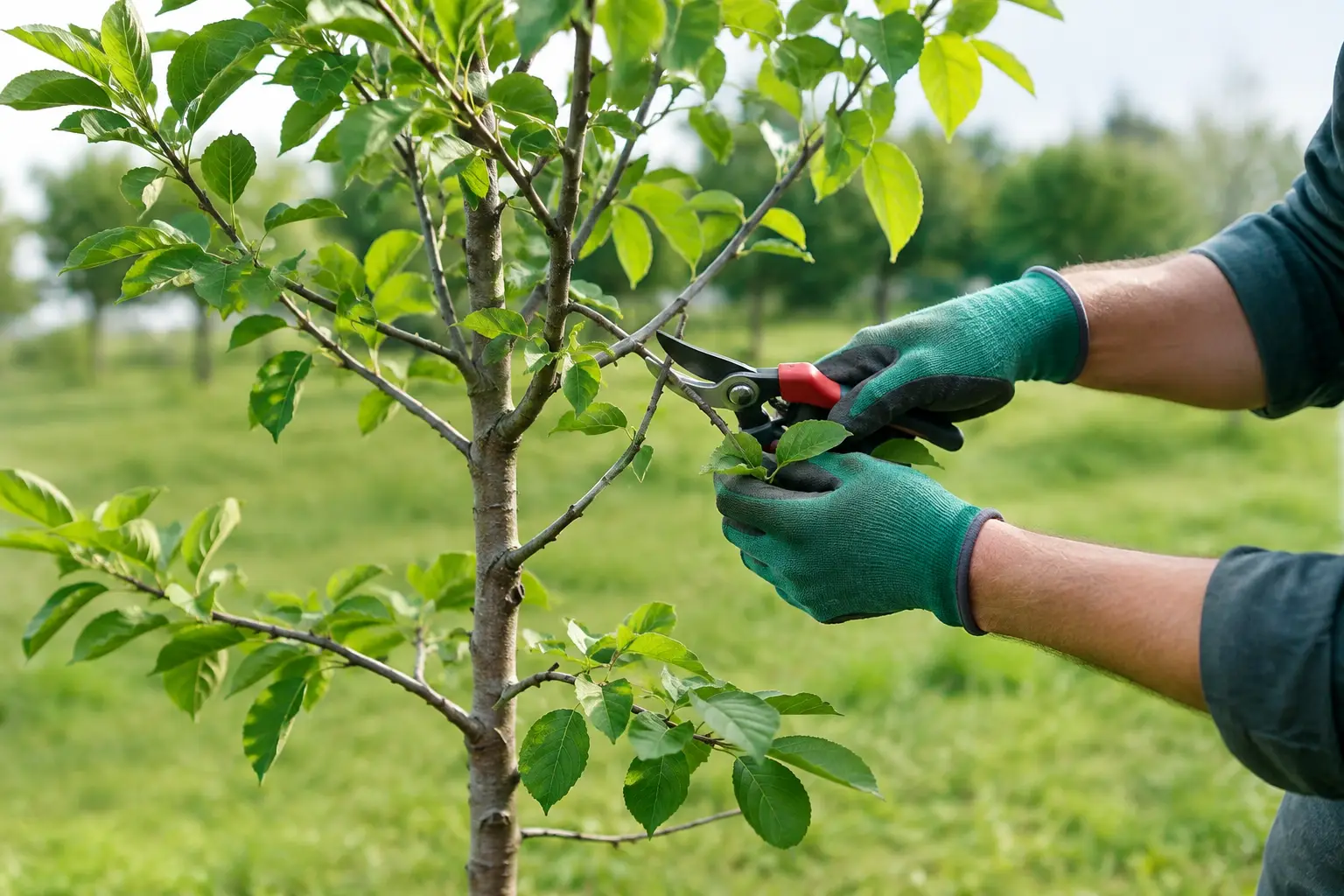
Learn how to prune young trees with safe, simple cuts that build stronger structure, protect your Louisiana property, and prevent future damage later.
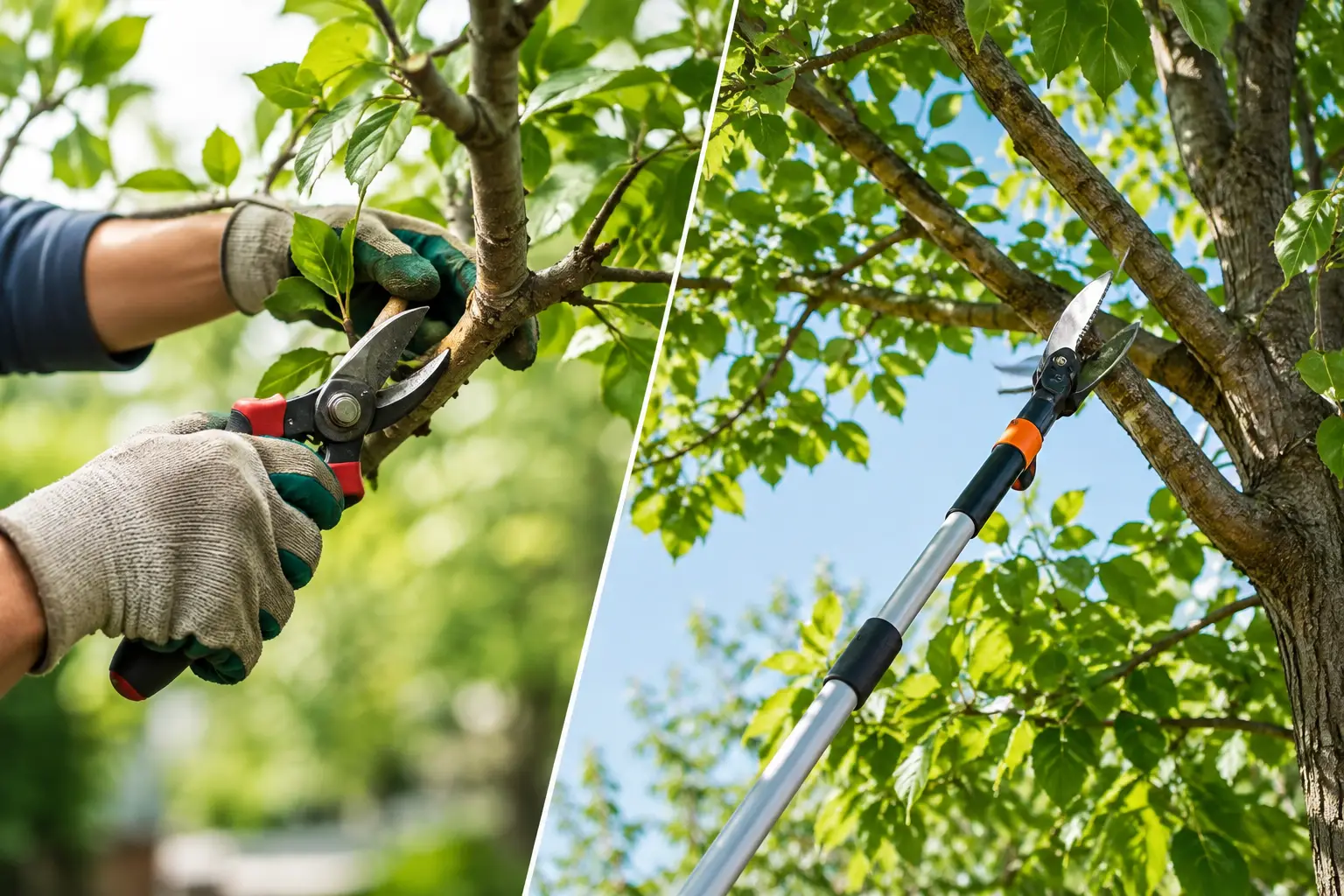
Learn pruning versus tree trimming, when each service protects your Louisiana property, and why professional timing prevents damage and costly repair…
Tell us about your trees and we'll get back to you, usually the same day.
“They were prompt for the actual survey and gave a fair estimate. Crew showed up and did the job ahead of planned date and did an amazing job.”
Loading the quote form…
Form not showing? Open the quote form or call (337) 568-2739.
Get a free, no-obligation estimate from Lafayette's locally owned tree service.