

How Far to Plant Trees From Homes and Fences
Learn how far to plant trees from homes, fences, driveways, and utilities in Louisiana, with spacing tips that protect your property as trees grow sa…
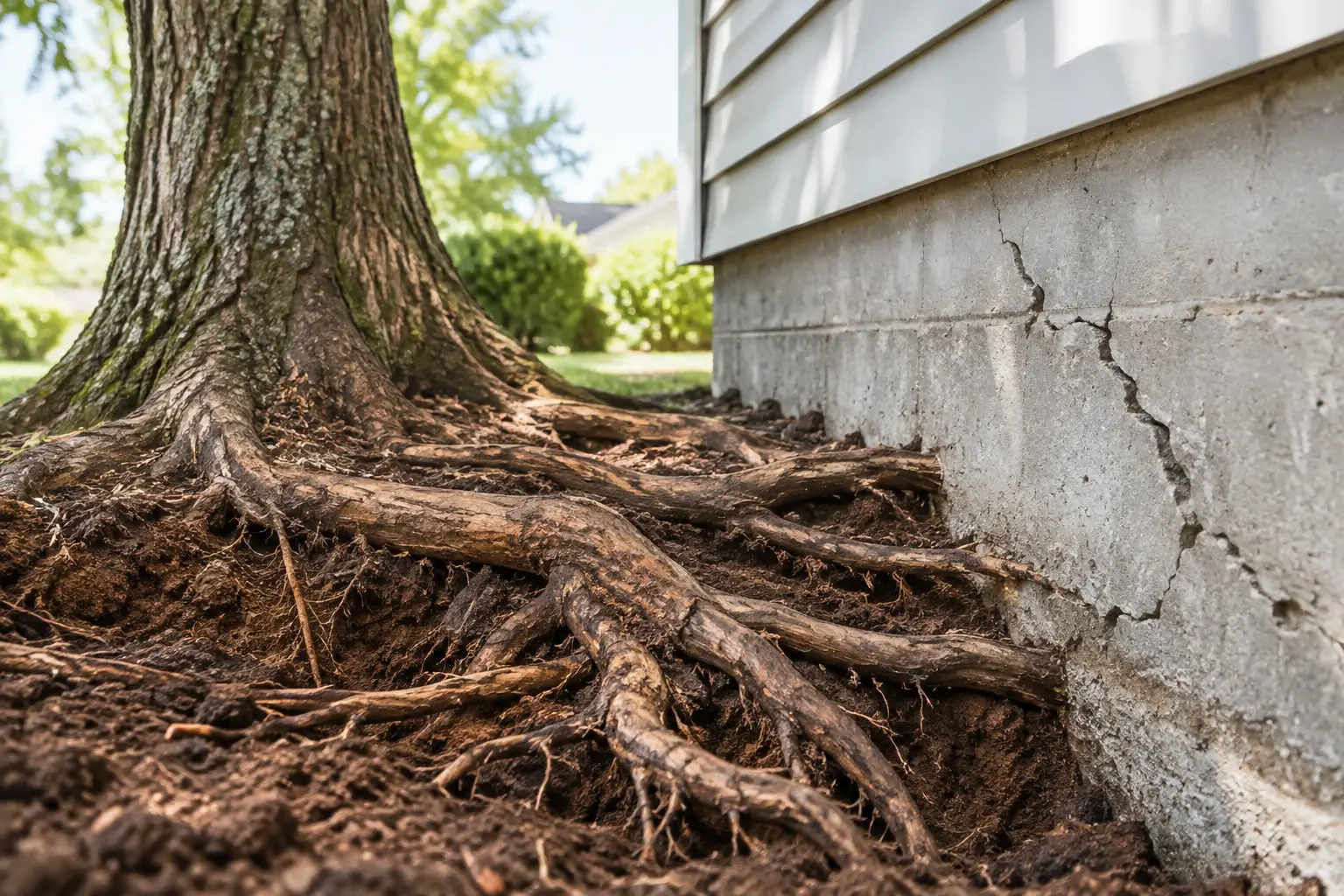
A mature tree can make a Lafayette yard feel established, shady, and valuable. But when its trunk is close to the house or its roots begin lifting concrete, homeowners understandably ask: can roots damage foundations? The answer is yes, but usually not in the dramatic way people imagine. Roots can contribute to foundation problems, especially where soil moisture changes, existing cracks are present, or a large tree was planted too close to the home.
The right response is not automatically to remove every tree near the house. It is to understand what is happening below and above ground, identify the real source of the movement, and choose a solution that protects both the structure and the landscape.
Tree roots are persistent, but they do not normally break through sound, properly built concrete simply by pushing against it. They follow moisture, oxygen, and paths of least resistance. If a foundation, slab, retaining wall, or underground pipe already has a crack or weak joint, fine roots may enter that opening and gradually enlarge the problem.
The more common concern in Acadiana is soil movement. During dry stretches, a large tree can draw significant moisture from soil near the foundation. In soils that shrink as they dry and swell when wet, that uneven change can cause sections of a slab or footing to move. The tree did not necessarily crack the foundation directly, but its water use may be part of the conditions causing the movement.
Roots can also create clear surface problems. Large, shallow roots may lift sidewalks, patios, driveways, landscape edging, and pool decking. Those issues can become trip hazards, interfere with drainage, or direct water toward the house. A raised driveway or patio is not proof that the foundation is failing, but it is a reason to inspect the area.
Risk depends on the tree species, mature size, soil, foundation type, drainage, and distance from the structure. A small ornamental tree near a home is very different from a mature oak, pine, or fast-growing tree with an extensive root system.
Distance matters, but there is no single safe number that applies to every yard. As a practical rule, the larger the tree will become, the farther it should be from the house. A tree with a broad canopy often has roots extending well beyond the drip line, although most roots stay in the upper layers of soil rather than growing straight down.
A foundation is more vulnerable when a large tree is close to one side of the home, the lot has poor drainage, gutters dump water beside the slab, or the house has a history of settling. Older homes and structures with existing cracks deserve closer attention because roots can take advantage of openings that are already there.
A crack in concrete does not automatically mean tree roots are responsible. Some hairline cracks are common as concrete cures and ages. What matters is whether the crack is new, widening, shifting, or appearing alongside other changes in the house.
Watch for several symptoms occurring together: doors or windows that suddenly stick, diagonal cracks above doors or windows, cracks in brick or interior drywall, uneven floors, gaps around trim, or separated patios and walkways. Outside, look for roots lifting hardscape, soil pulling away from the foundation during dry weather, standing water near the house, or visible cracks where roots are growing nearby.
If you notice a rapid change after heavy rain, drought, construction, or storm damage, document it with dated photos. That record helps a qualified professional determine whether the issue is active and whether tree roots, drainage, soil conditions, or structural settling may be involved.
Many foundation concerns that appear to be root problems are partly water-management problems. Roots seek moisture, and water follows the easiest path. When downspouts discharge beside a foundation, a low area holds runoff, or a patio slopes toward the house, the soil around the structure can experience repeated wet-dry cycles.
Keeping water moving away from the home reduces stress on both the foundation and nearby trees. Maintain gutters, extend downspouts where appropriate, and avoid creating low spots when adding soil or landscaping. Do not pile mulch against the trunk or build up soil around the tree's root flare. These practices protect tree health while making it easier to see whether roots are affecting nearby surfaces.
It can be tempting to cut exposed roots near a slab, driveway, or patio. That can create a different hazard. Large roots help anchor the tree, and removing too much root mass can make a tree unstable, especially during Louisiana storms and saturated-soil conditions. Root cutting also creates wounds where decay organisms may enter.
The risk is highest when roots are cut close to the trunk or on one side of a mature tree. A tree may appear fine immediately after root damage, then decline or become structurally compromised months later. That is not a problem to leave beside a home, fence, play area, or utility line.
Before any root pruning, an experienced tree care professional should assess the tree's condition, size, lean, root exposure, and proximity to structures. If there are signs of foundation movement, a foundation or structural professional should evaluate the home as well. Tree care and structural evaluation answer different questions, and both may be necessary before deciding whether pruning, drainage work, a root barrier, or removal makes sense.
The best solution depends on the cause and the level of risk. Selective pruning may reduce canopy weight and improve clearance, but it does not stop established roots from using water. Root barriers can sometimes help protect a new planting or redirect roots in a limited area, but installing one around a mature tree can damage critical roots if it is not carefully planned.
Removing a tree may be appropriate when it is too close to the home, declining, unstable, or causing repeated damage to hardscape. However, removal does not automatically correct foundation movement. The soil moisture pattern may change after removal, and repairs to drainage, concrete, or the foundation itself may still be needed.
For a healthy tree with manageable risk, a tailored maintenance plan is often the better choice. Precision pruning, routine monitoring, and improved drainage can preserve the shade and appearance of the tree while reducing pressure on nearby structures. If removal is the safest option, professional crews can handle the work with controlled techniques, stump grinding when needed, and complete debris cleanup.
The easiest root problem to solve is the one prevented at planting. Choose trees based on their mature height and spread, not the size of the container at the nursery. Give large shade trees room to develop away from the house, driveway, underground utilities, and septic components.
Place new trees where their future canopy will have clearance from the roof and where their roots will not compete heavily with foundation soils. A smaller tree may be a better choice for a narrow side yard or space between a home and a property line. Proper planting depth, mulch placed away from the trunk, and steady early watering encourage healthier root development without creating avoidable stress.
A tree near your home does not have to become a foundation emergency. A careful inspection, sensible water management, and professional guidance can turn uncertainty into a clear plan that protects the structure, keeps the yard usable, and respects the value of a healthy mature tree.

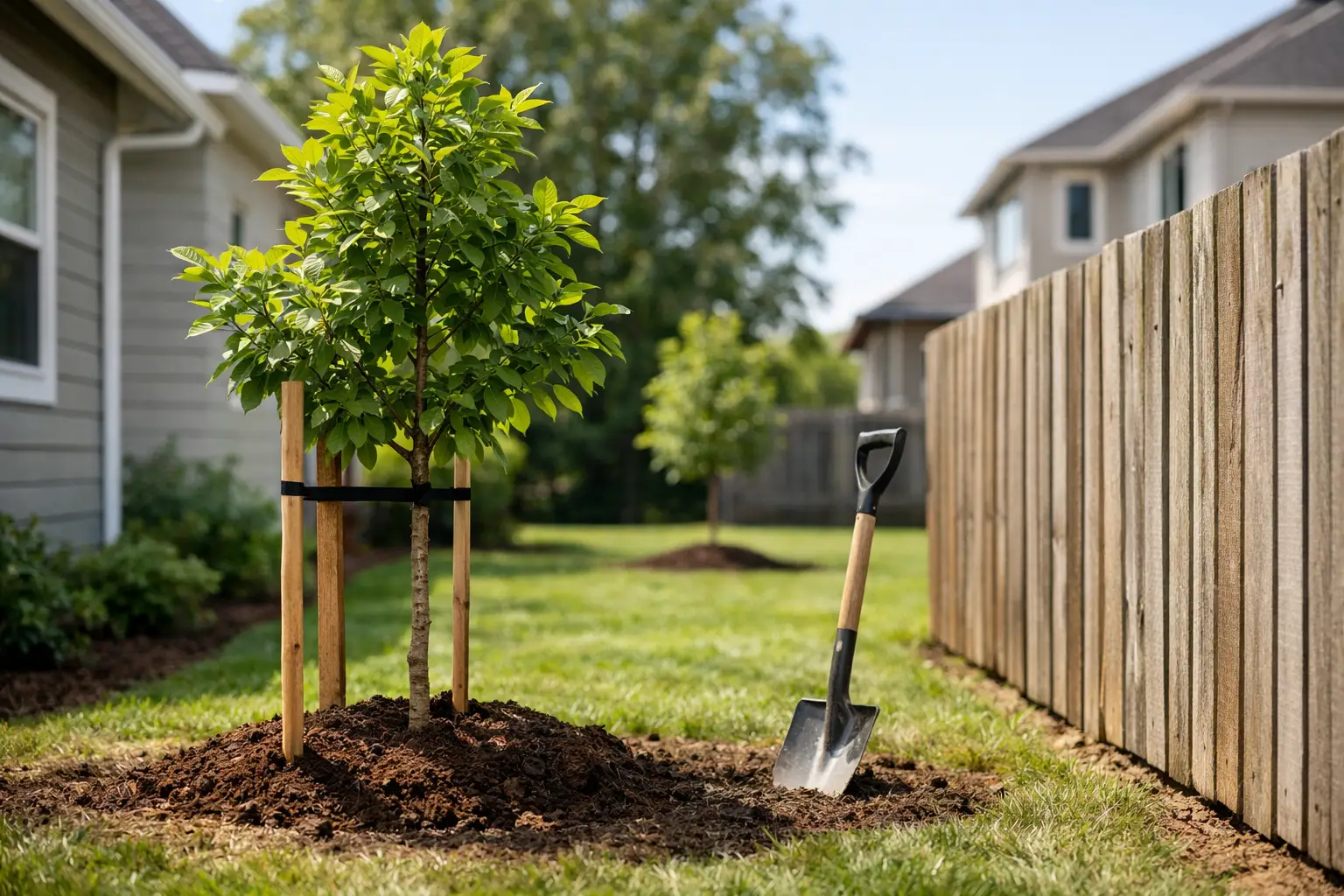
Learn how far to plant trees from homes, fences, driveways, and utilities in Louisiana, with spacing tips that protect your property as trees grow sa…
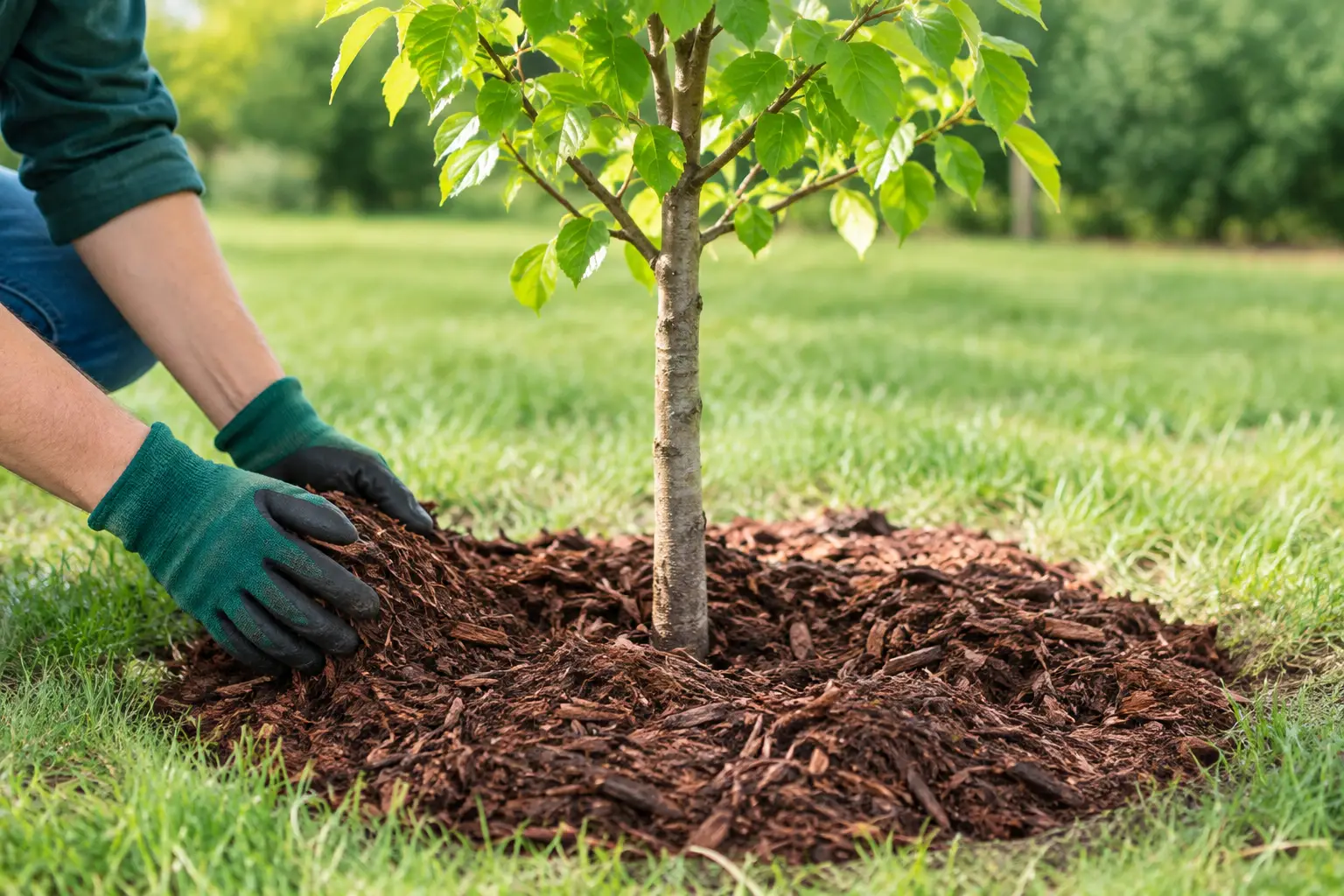
Learn how to mulch newly planted trees in Louisiana yards with the right depth, spread, and clearance to retain moisture, limit weeds, and prevent ro…
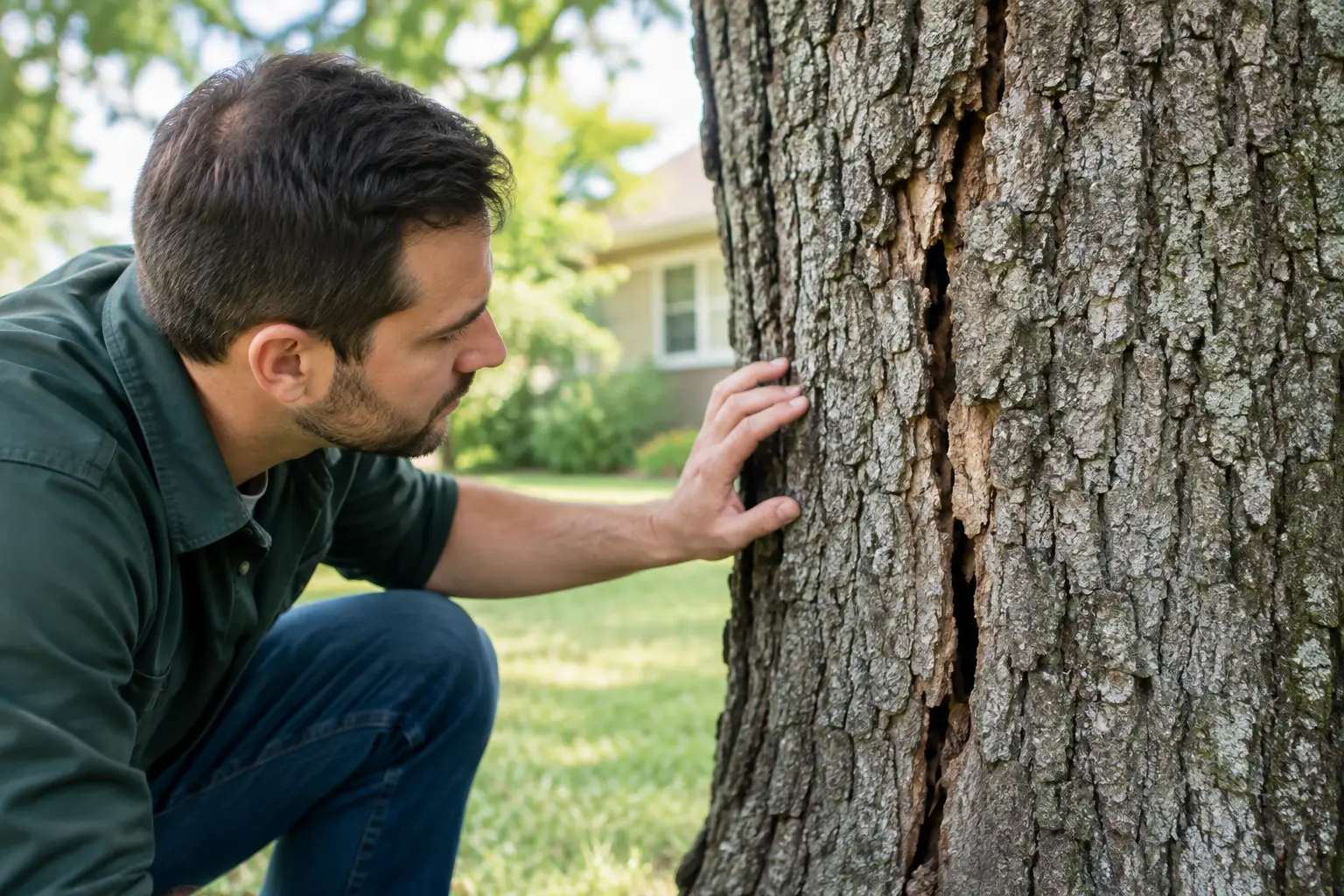
Are tree cracks dangerous? Learn which trunk splits signal a hazard, what causes them, and when Lafayette homeowners should call a nearby tree profes…
Tell us about your trees and we'll get back to you, usually the same day.
“They were prompt for the actual survey and gave a fair estimate. Crew showed up and did the job ahead of planned date and did an amazing job.”
Loading the quote form…
Form not showing? Open the quote form or call (337) 568-2739.
Get a free, no-obligation estimate from Lafayette's locally owned tree service.