
10 Signs of a Hazardous Tree Around Your Home
Learn the signs of a hazardous tree, what raises risk in Louisiana weather, and when to call a professional for a safe property assessment near you n…
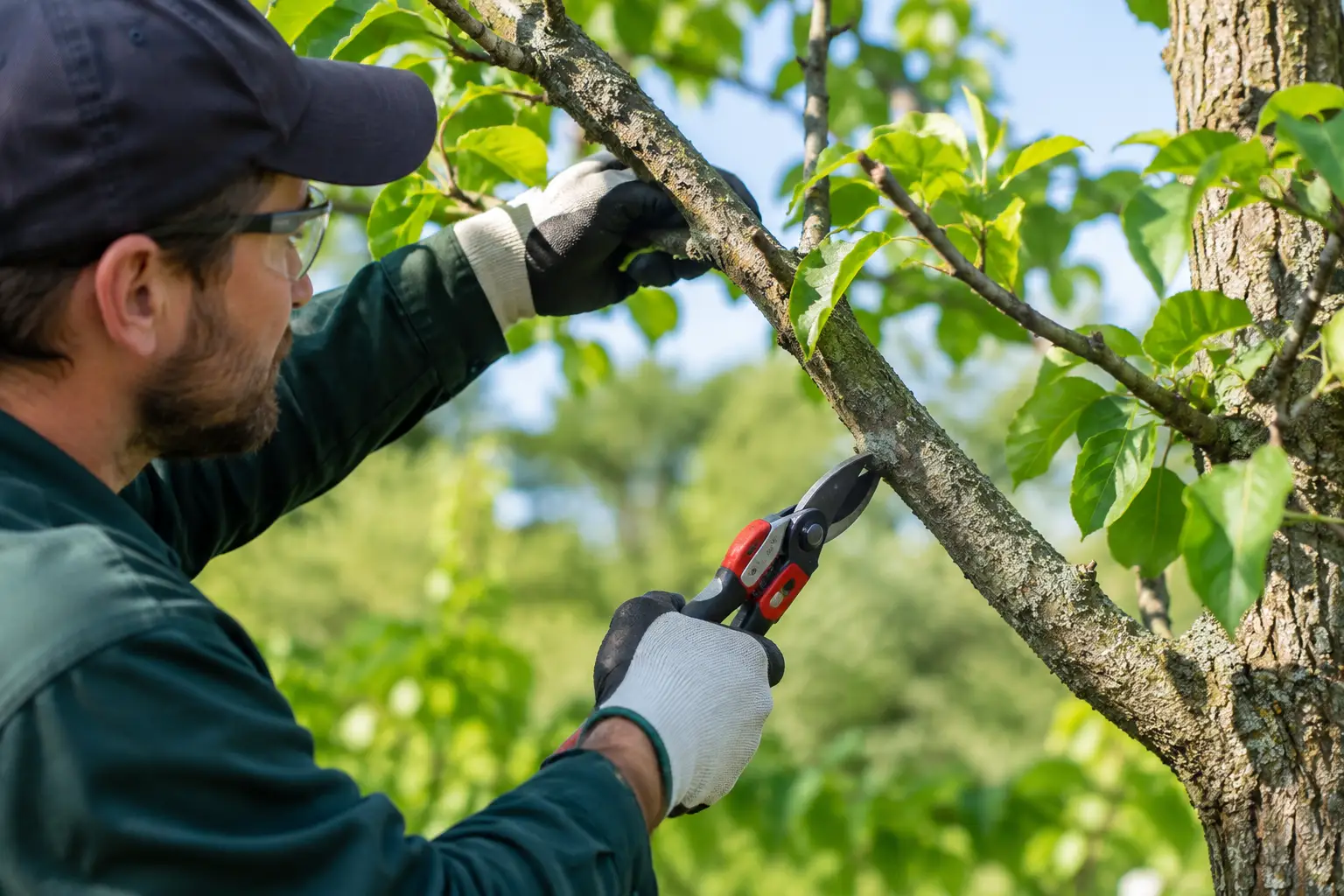
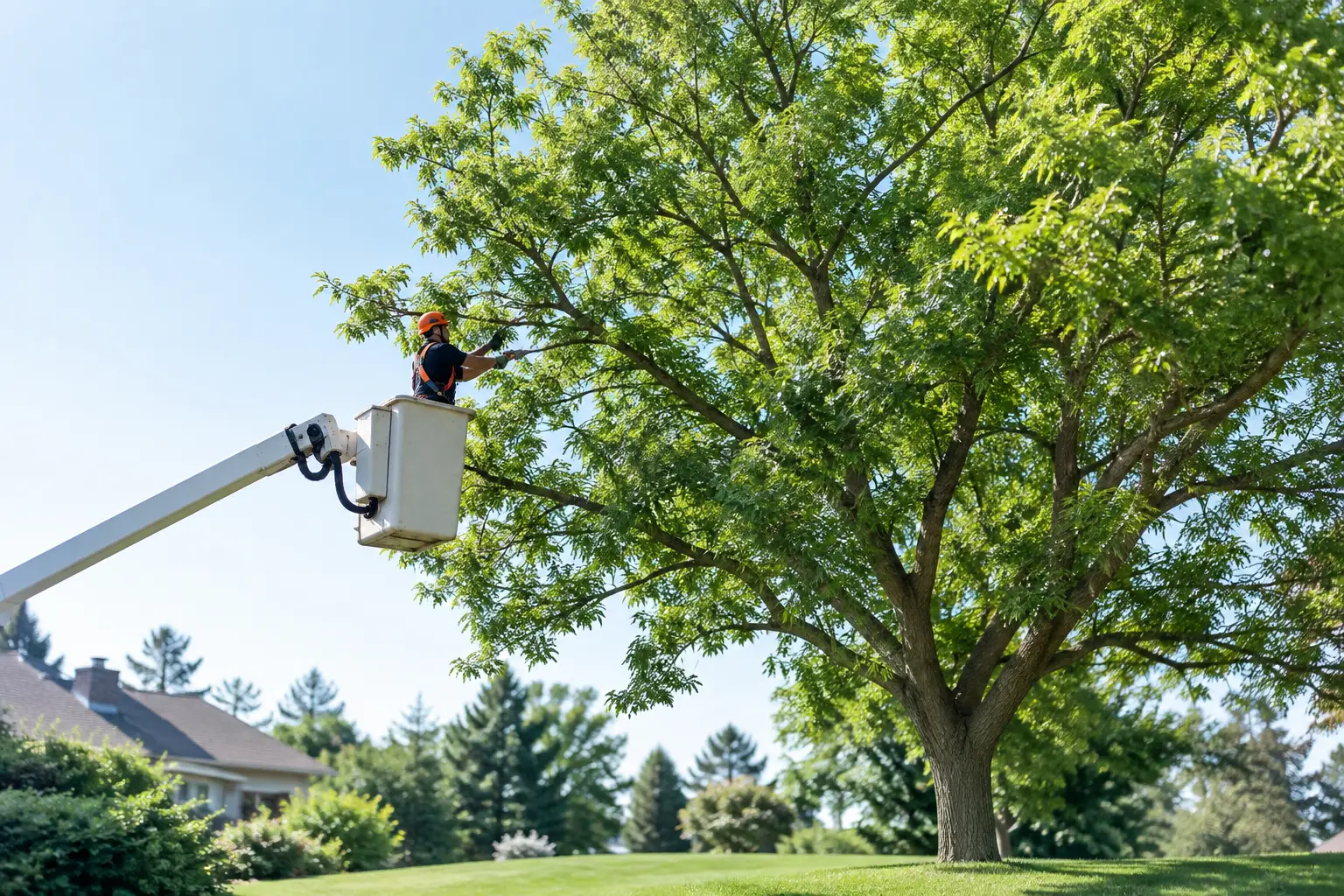
A discolored limb over your roof is more than an appearance issue. It may be dead wood, an insect problem, storm damage, or an active infection moving through the tree. Can pruning stop disease? Sometimes, yes. Removing an infected branch early can reduce the amount of diseased tissue in a tree and protect nearby limbs. But pruning is not a cure-all, and the wrong cut at the wrong time can create fresh wounds, spread pathogens, or weaken a tree that is already under stress.
For homeowners in Lafayette and across Acadiana, the best approach is to identify the problem first, then use precision pruning only when it makes sense for the tree, the disease, and the season.
Pruning can help manage diseases that are contained in specific branches, twigs, or shoots. If infection has not moved into the trunk, roots, or most of the canopy, a properly placed cut can remove a source of spores, bacteria, or decay before it advances further.
This is especially useful when a tree has localized cankers, dead branch tips, blighted shoots, or broken limbs that have begun to decay. Removing those areas improves air movement through the canopy, allows foliage to dry faster after rain, and eliminates places where pests and disease organisms can gain a foothold.
Still, the answer depends on the cause. A tree with root rot, a vascular disease, widespread decline, or extensive trunk decay will not recover simply because a few branches are removed. In some cases, pruning can make the tree look better temporarily while the underlying issue continues below ground or inside the trunk.
A professional assessment separates a branch-level concern from a tree-wide health problem. That distinction matters when the tree is close to your home, driveway, fence, pool area, or utility lines.
Early action gives pruning the best chance of helping. When only a small portion of the canopy is affected, the goal is to remove diseased material with enough healthy wood below it to avoid leaving infected tissue behind. The cut should be made at an appropriate branch union or back to a sound lateral branch, not halfway along a limb where it leaves a stub.
Pruning is often valuable in these situations:
Louisiana's heat, humidity, and frequent rain can keep leaves and bark wet for long periods. Dense canopies around homes may also receive less airflow. Selective thinning can improve drying conditions, but it must be done conservatively. Removing too much live canopy at once can stress a tree, expose interior limbs to sun damage, and trigger weak, fast-growing sprouts.
The goal is not to strip out every interior branch. It is to preserve the tree's natural structure while removing the problem areas and improving conditions that support healthy growth.
A clean cut gives the tree its best opportunity to seal off the wound naturally. Improper cuts can do the opposite. Leaving long stubs invites decay, while cutting flush against the trunk can damage the branch collar, the area that helps the tree form protective tissue around a pruning wound.
Diseased wood should be handled separately from healthy debris when practical. Professional crews also clean pruning tools between cuts when working around suspected infectious diseases. That step is easy to overlook, but contaminated saws and pruners can carry bacteria or fungal material from one branch to another.
Tree wound paints are generally not the answer. Healthy trees have their own compartmentalization process for isolating wounds, and coatings can trap moisture or interfere with that process. The better solution is a clean, correctly located cut and a plan that addresses the tree's growing conditions.
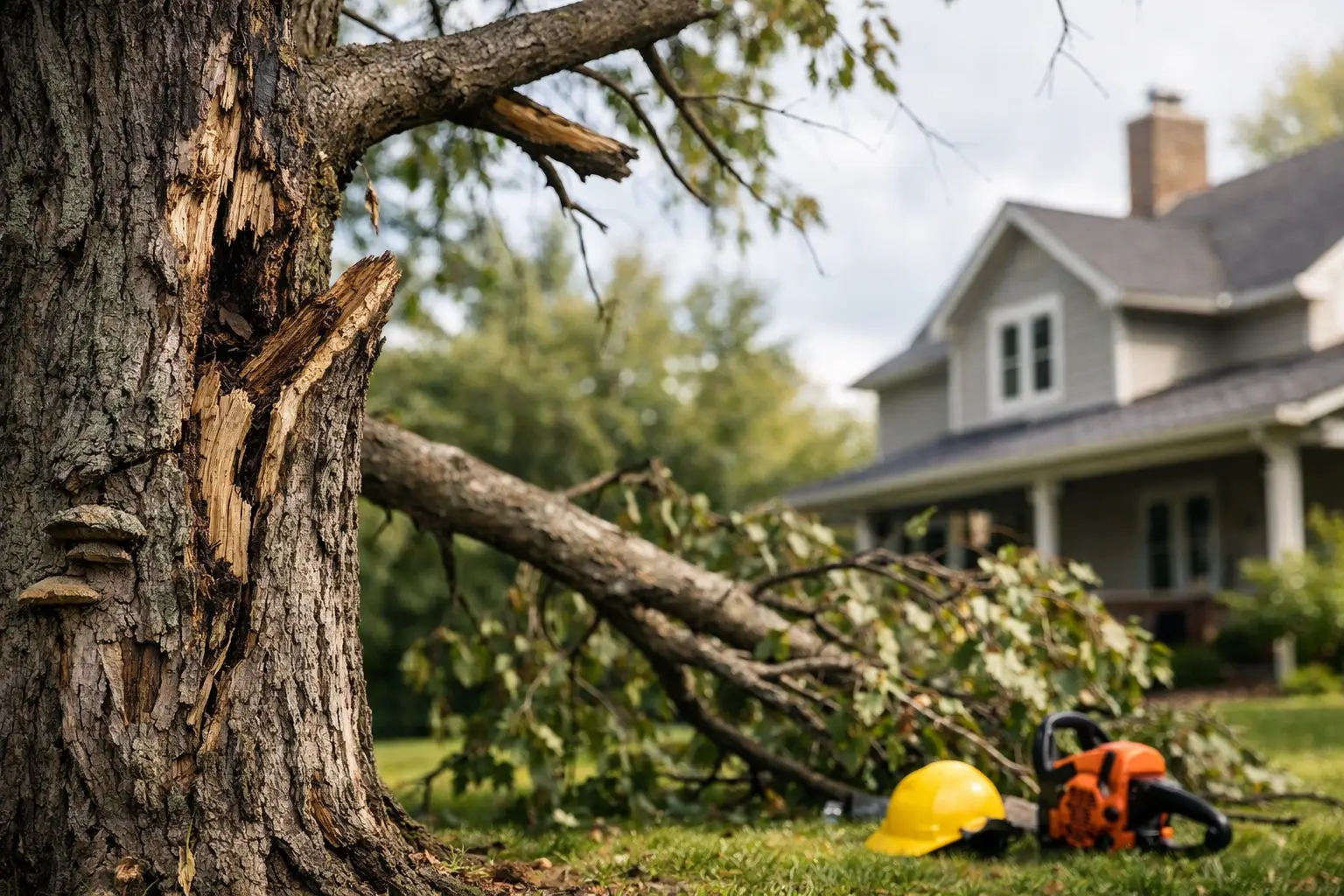
Pruning has limits. If disease is in the roots, lower trunk, or internal vascular system, removing visible symptoms may not stop its progress. Mushrooms or conks at the base of a tree, soft or hollow areas in the trunk, peeling bark, major dieback throughout the canopy, and sudden leaning are all reasons to take the situation seriously.
Root diseases and advanced decay can affect structural stability long before a tree falls. A tree may still carry green leaves while its roots or trunk have lost the strength needed to support heavy limbs during a storm. That is why a diseased tree near a house should be evaluated for both health and hazard risk.
Some leaf diseases are also more frustrating than dangerous. Fungal leaf spots may make a tree look rough during a wet season, but they do not always require branch removal. In those cases, collecting fallen leaves, improving spacing around the tree, avoiding unnecessary irrigation on foliage, and supporting overall tree health may be more useful than aggressive pruning.
A tree can also decline from non-disease causes that resemble infection. Compacted soil, poor drainage, construction damage, lightning, drought stress, herbicide exposure, and insect activity can all lead to thinning leaves, dead twigs, or discolored foliage. Treating every symptom as a pruning problem can delay the right solution.
There is no single pruning season that fits every tree or disease. Dormant-season pruning is often preferred for many deciduous trees because it reduces stress and makes branch structure easier to see. However, dead, broken, hanging, or hazardous branches should be addressed promptly regardless of the calendar.
For active bacterial or fungal issues, timing may need to be more specific. Some pathogens spread more readily during wet weather or through fresh cuts. Pruning during dry conditions can reduce risk, but the right timing depends on the species and suspected disease.
Avoid routine heavy pruning during periods of extreme heat or drought. Trees in Acadiana already work hard through long summers, high humidity, and storm season. Removing too much foliage reduces the tree's ability to produce energy and recover from stress.
If a limb is touching your roof, blocking a driveway, hanging over a play area, or damaged after a storm, safety comes first. A qualified crew can remove the immediate hazard while recommending the right follow-up care for the rest of the tree.
You do not need to diagnose the disease before requesting help. Clear photos and a few observations can make an on-site evaluation more productive. Look for whether the problem is limited to one branch or spread throughout the canopy, whether symptoms appeared suddenly or gradually, and whether there has been recent storm damage, flooding, construction, or changes in drainage.
Pay particular attention to branches with dead leaves that remain attached, cracked unions, oozing or sunken bark, repeated dieback at branch tips, visible fungi near the trunk base, or limbs that drop bark and small branches without warning. These signs do not always mean immediate removal is necessary, but they justify a closer look.
Do not climb the tree or use a chainsaw from a ladder. Diseased and decayed limbs can fail unpredictably, and branches near power lines require special caution. Small, reachable dead twigs may be manageable for a homeowner with clean hand pruners, but larger limbs, elevated work, and any tree near structures are professional jobs.
The most effective tree care plan usually combines selective pruning with basic site care. Once dead, damaged, or infected limbs are removed, the next step may be reducing soil compaction, correcting drainage problems, adding mulch properly, or monitoring the tree through the next growing season. Mulch should be spread around the root zone without piling it against the trunk.
In certain cases, the responsible recommendation is removal rather than repeated pruning. A severely decayed tree cannot be made safe with cosmetic trimming, and a tree with an untreatable disease may threaten nearby healthy trees. Removing it safely and completely can protect the rest of the landscape and prevent a more expensive emergency later.
Apex Tree Care evaluates the full picture: disease symptoms, branch structure, proximity to property, and the practical options for your yard. Whether the right answer is precision pruning, structural support, ongoing maintenance, or safe removal, the work should leave your property cleaner and your next step clearer.
If a tree on your property is showing new dieback or carrying a dead limb over an area your family uses, have it assessed before the next heavy rain or wind event turns a manageable issue into a hazard.
Learn the signs of a hazardous tree, what raises risk in Louisiana weather, and when to call a professional for a safe property assessment near you n…
A practical guide to tree crown reduction for Lafayette homeowners: when it helps, what safe pruning looks like, and when to call a nearby profession…

See how crown thinning versus topping affects tree health, storm safety, and property risk - and why skilled pruning protects Louisiana and nearby ho…
Tell us about your trees and we'll get back to you, usually the same day.
“They were prompt for the actual survey and gave a fair estimate. Crew showed up and did the job ahead of planned date and did an amazing job.”
Loading the quote form…
Form not showing? Open the quote form or call (337) 568-2739.
Get a free, no-obligation estimate from Lafayette's locally owned tree service.