

Stump Grinding Versus Stump Removal Explained
Compare stump grinding versus stump removal to choose the right solution for your Lafayette yard, budget, drainage, landscaping, and future plans wis…
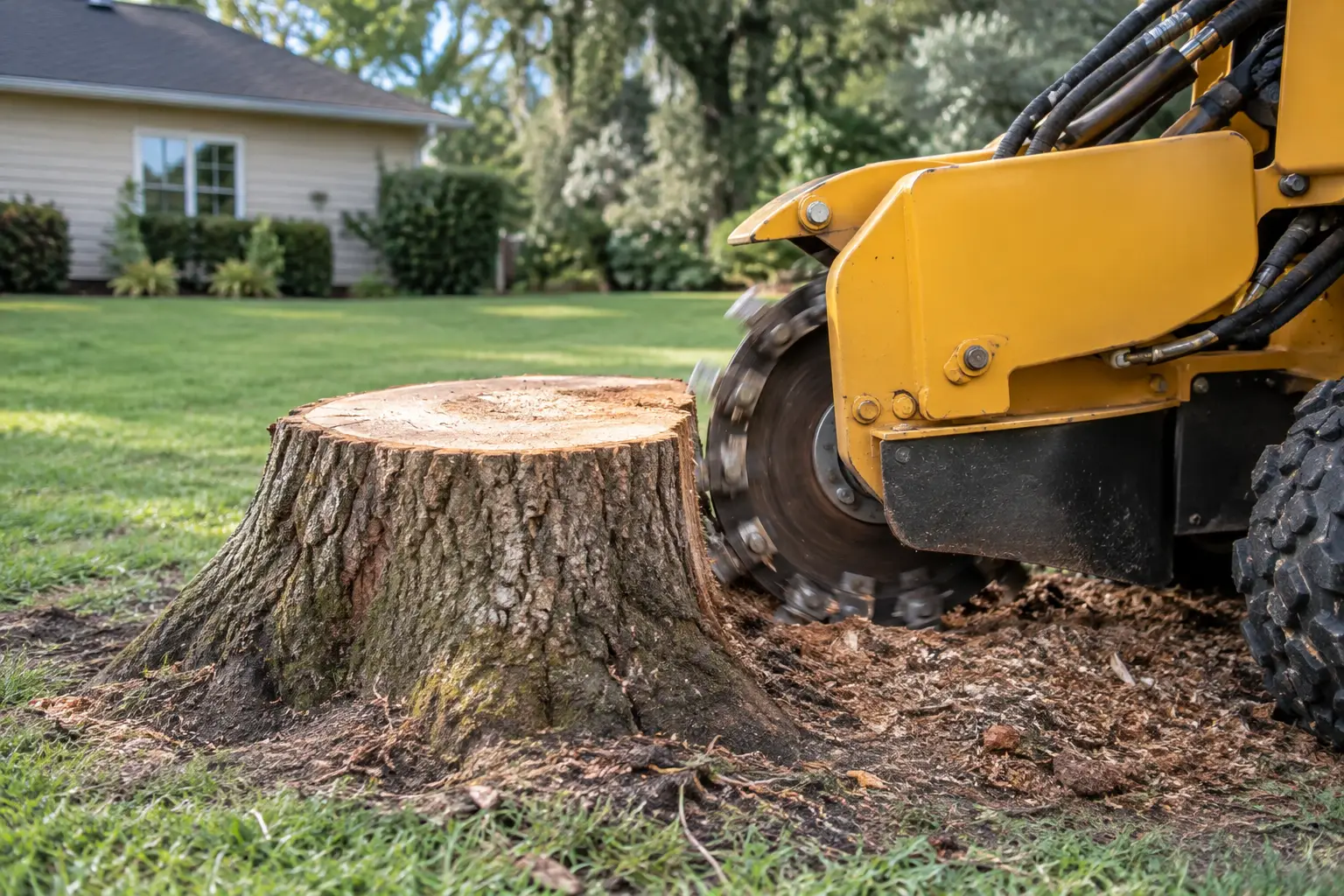
A stump can turn a freshly cleared yard into a problem that lingers for years. In South Louisiana, frequent rain, soft soil, termites, and fast-growing landscape plants can make an old stump even more troublesome. The best stump removal methods depend on where the stump sits, how large it is, what you plan to do with the space, and whether roots are close to a home, fence, driveway, or utility line.
For most homeowners in Lafayette and surrounding Acadiana communities, the right answer is not simply to make the stump disappear. It is to restore the area safely, protect the property around it, and leave the yard clean enough for its next use.
There are several ways to handle a leftover stump, but they do not produce the same result. A small ornamental-tree stump in an open flower bed calls for a different approach than a mature oak stump beside a patio or underground irrigation line.
Professional stump grinding is often the preferred solution for residential properties. A specialized machine uses a rotating cutting wheel to grind the stump below ground level. The remaining wood chips can be hauled away, used as mulch where appropriate, or spread and mixed with soil as part of site restoration.
Grinding is effective because it removes the visible stump without requiring a large excavation. It is generally faster and less disruptive than pulling out the full root system, especially around established lawns, fences, walkways, and landscaping beds.
A properly ground stump leaves the area ready for topsoil, sod, mulch, or a new planting plan. However, large roots remain underground and will decay gradually. That is usually not an issue for lawn restoration, but it can matter if you want to build a structure, install a pool, or place a new tree in the exact same location.
Stump grinding is often the best fit when you want to reclaim usable yard space quickly while limiting damage to the surrounding landscape.
Full removal involves excavating the stump and major root structure from the ground. This is more invasive than grinding, but it may be the better option when the site needs a clean foundation below grade.
Homeowners may choose full removal when they are preparing for a driveway expansion, patio, shed, fence post, drainage project, or new tree planting. It can also be appropriate when surface roots are lifting nearby hardscape or when a stump is located in a narrow area where future settling would cause concern.
The trade-off is excavation. Removing roots can disturb a larger section of lawn and may require more cleanup, soil replacement, and grading afterward. On wet Louisiana ground, equipment access and soil conditions also affect how the work should be planned.
A qualified tree care crew should assess the stump’s size, tree species, root spread, access route, and nearby utilities before recommending full removal. The goal is not just to pull harder. It is to remove the stump without creating unnecessary damage around it.
Digging out a stump by hand can work for a small, young tree with shallow roots. It usually involves digging around the root flare, cutting roots with hand tools, loosening the stump, and lifting it from the hole.
This method is labor-intensive and becomes difficult quickly as stump diameter increases. Mature trees can have roots extending well beyond the visible stump, and roots near structures or buried lines should never be cut blindly. What appears to be a weekend project can turn into an injury risk or a damaged irrigation pipe.
Manual removal makes sense only when the stump is genuinely small, the area is open, and the homeowner is comfortable with the physical work. For larger stumps, professional grinding is typically more efficient and produces a cleaner result.
Chemical stump removers are designed to speed up decay. Holes are drilled into the stump, the product is applied, and the wood gradually softens over time. Depending on weather, tree species, stump size, and moisture levels, this process can take many months or longer.
This option may appeal to homeowners who are not in a hurry, but it does not offer a fast solution for a tripping hazard, a landscaping project, or an active pest concern. It also requires careful handling and should not be treated as a reason to burn a stump. Burning can spread underground through dry roots or create a fire hazard near homes, fences, and vegetation.
Chemical removal rarely delivers the immediate, finished appearance most property owners want. It may be a low-effort option for a remote stump, but it is not usually the best choice near an actively used yard.
Leaving a stump in place costs nothing upfront, but it can create ongoing issues. Decaying wood may attract insects, harbor fungi, produce mushrooms, and become a habitat for pests. A stump can also interfere with mowing, reduce curb appeal, and take up valuable space in a small yard.
Natural decay is reasonable only when the stump is far from the home, not in a maintained landscape area, and poses no safety concern. Even then, it can take years for a dense hardwood stump to break down.
The best choice comes down to the purpose of the area after the stump is gone. If you want grass, mulch, or a simple planting bed, grinding is usually sufficient. If you are building, regrading, replacing a driveway, or planting another large tree in the same spot, full root removal may be worth the additional disturbance.
Stump size matters as well. Small stumps are easier to manage, while large, mature stumps require commercial equipment and experienced operators. Access is another major factor. A stump behind a narrow gate, beside an air-conditioning unit, or near a pool may require smaller equipment and a more careful work plan.
Location should guide the safety decision. Extra caution is needed around utility areas, septic systems, drainage lines, irrigation, foundations, and retaining walls. Before any excavation work, buried utilities should be located. A professional assessment helps identify risks that are not visible from the surface.
A stump grinder is powerful equipment, not a lawn tool. The work involves flying wood chips, uneven ground, hidden roots, and the possibility of underground obstructions. Improper grinding can damage nearby turf, hardscape, irrigation components, fences, or landscaping.
Professional service brings the equipment and judgment needed to match the approach to the site. A careful crew plans access, protects nearby property, grinds to an appropriate depth, manages the debris, and leaves the work area orderly. That attention matters when the stump is close to the places you use every day, such as a driveway, outdoor living area, or children’s play space.
At Apex Tree Care, stump work is approached as part of the full cleanup and restoration process, not as an unfinished add-on after tree removal. The objective is a safer, more usable yard with a clear path for whatever comes next.
Once a stump is ground or removed, the site still needs attention. Grinding leaves a depression that should be backfilled with suitable soil and allowed to settle before seeding or laying sod. Wood chips are useful in some landscape beds, but excessive amounts mixed into turf soil can affect how the area settles and decomposes.
If you plan to plant in the same area, give the soil time to stabilize and consider shifting the new planting location away from the old root zone. Existing roots will continue to break down underground, and new trees need room to establish healthy roots of their own.
Pay attention to drainage after restoration, especially in low-lying parts of the yard. A properly finished stump area should not become a spot where water collects after a heavy rain.
The right stump solution should make your property easier to use, not create another project a few months later. Whether the goal is safer mowing, a cleaner landscape, or space for a new outdoor feature, a site-specific recommendation can save time, protect your yard, and provide a result that looks finished.

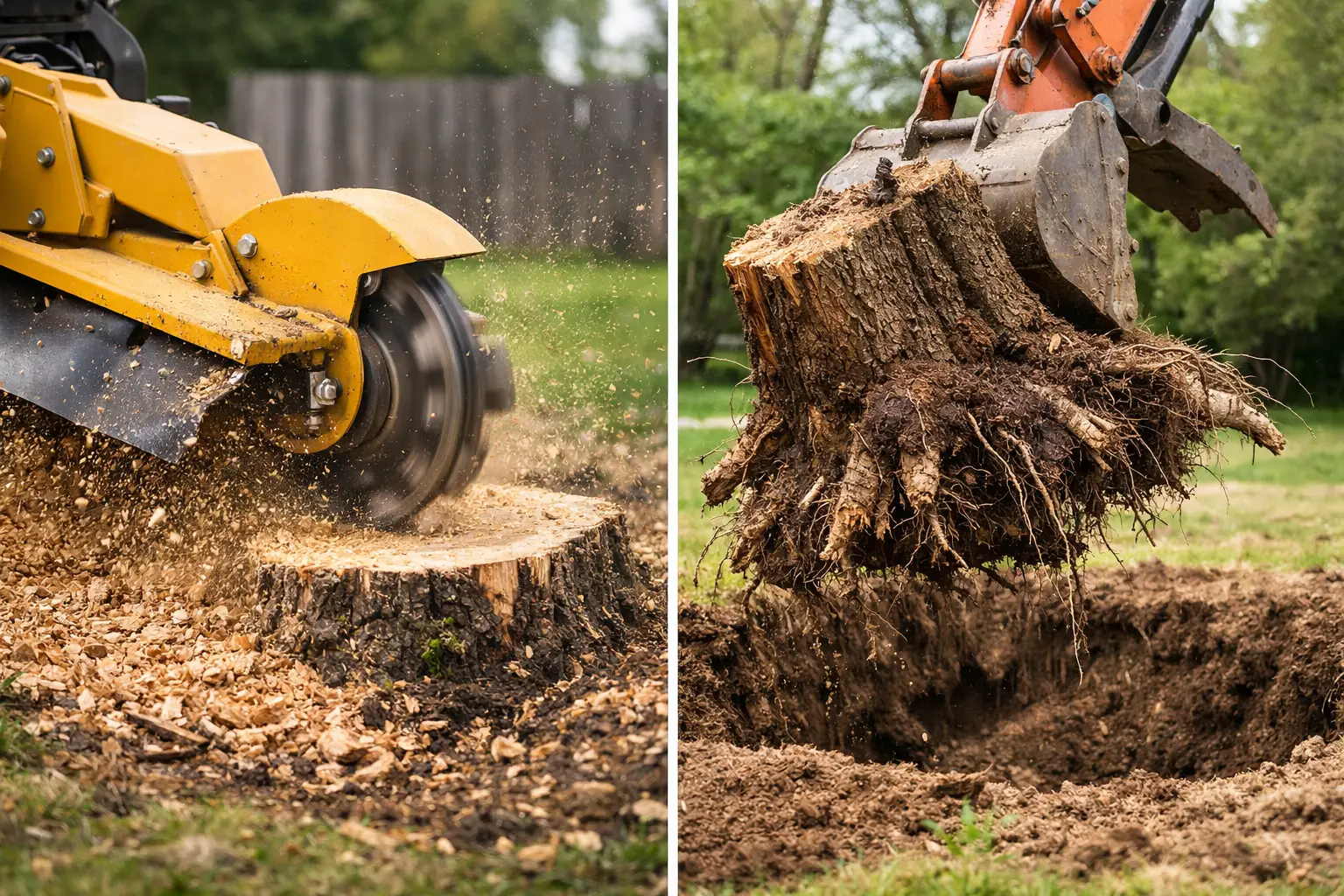
Compare stump grinding versus stump removal to choose the right solution for your Lafayette yard, budget, drainage, landscaping, and future plans wis…
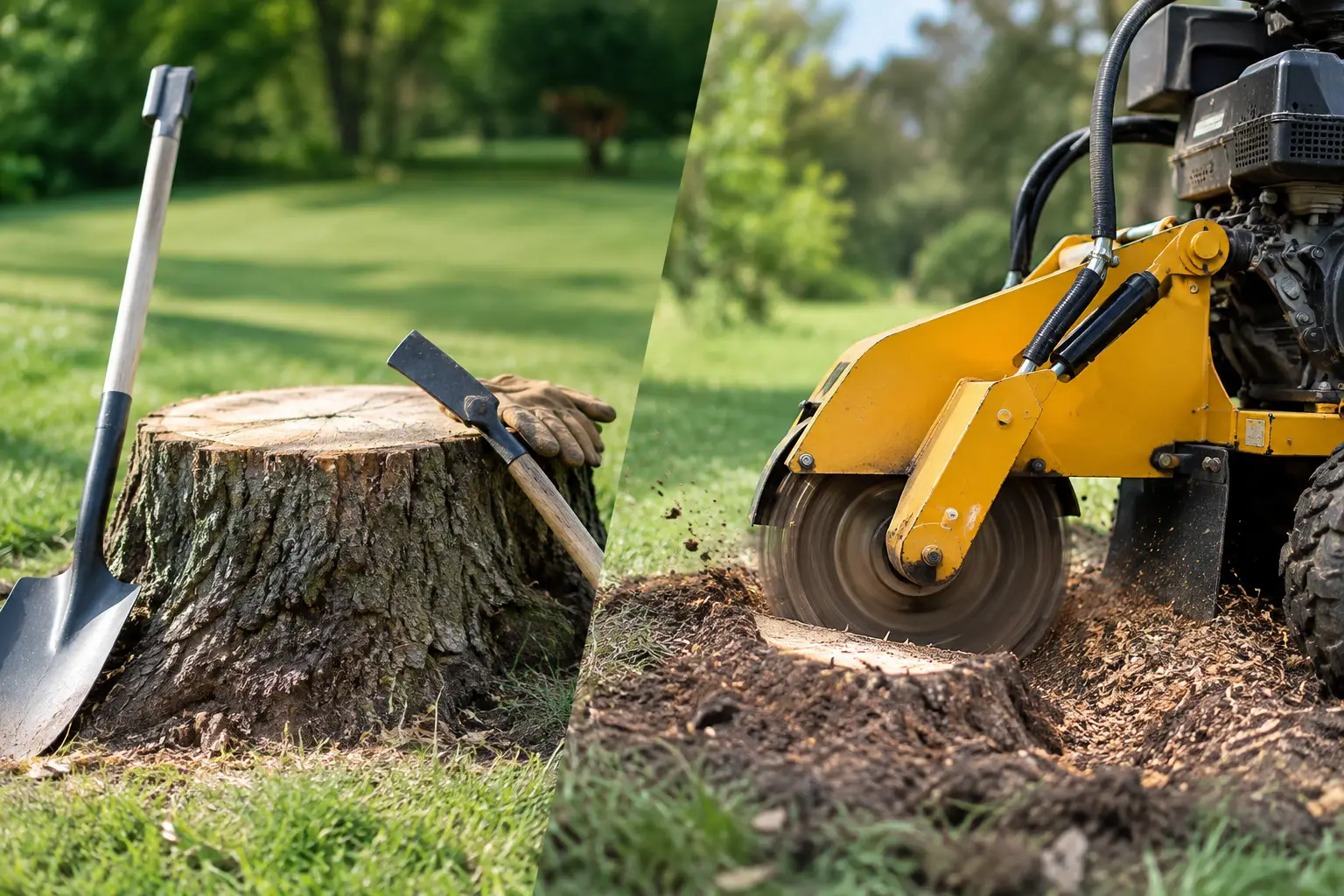
Compare manual versus mechanical stump removal for Louisiana yards, including cost, safety, cleanup, and the right choice for stubborn stumps near a…
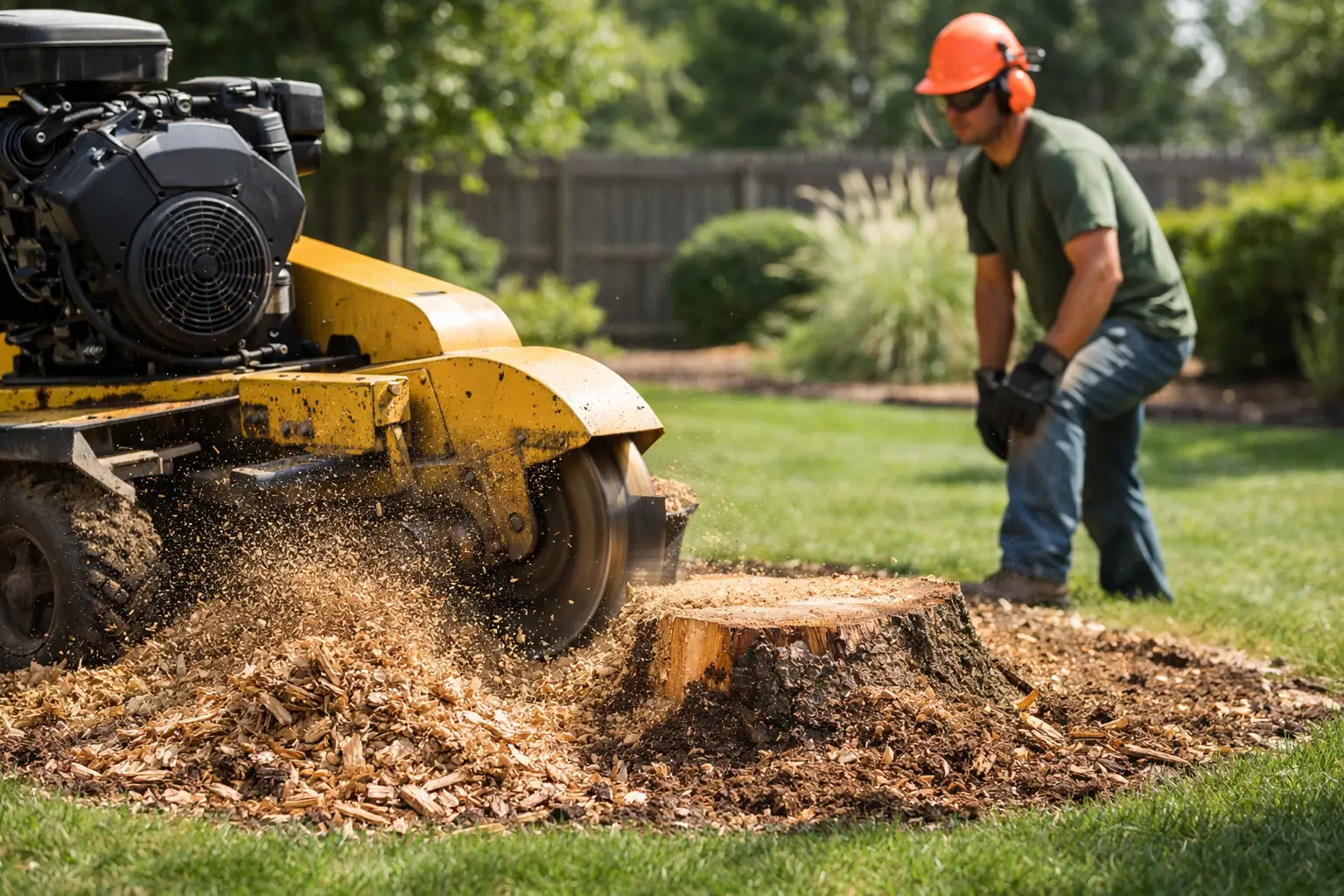
Choose stump grinding Lafayette LA homeowners can trust for safer lawns, cleaner landscaping, and a professional plan for old stumps and roots today.
Tell us about your trees and we'll get back to you, usually the same day.
“They were prompt for the actual survey and gave a fair estimate. Crew showed up and did the job ahead of planned date and did an amazing job.”
Loading the quote form…
Form not showing? Open the quote form or call (337) 568-2739.
Get a free, no-obligation estimate from Lafayette's locally owned tree service.