

Safe Tree Dismantling Techniques That Protect Homes
Safe tree dismantling techniques protect your Lafayette property from falling limbs, roof damage, and mistakes. Know when to call a professional crew.
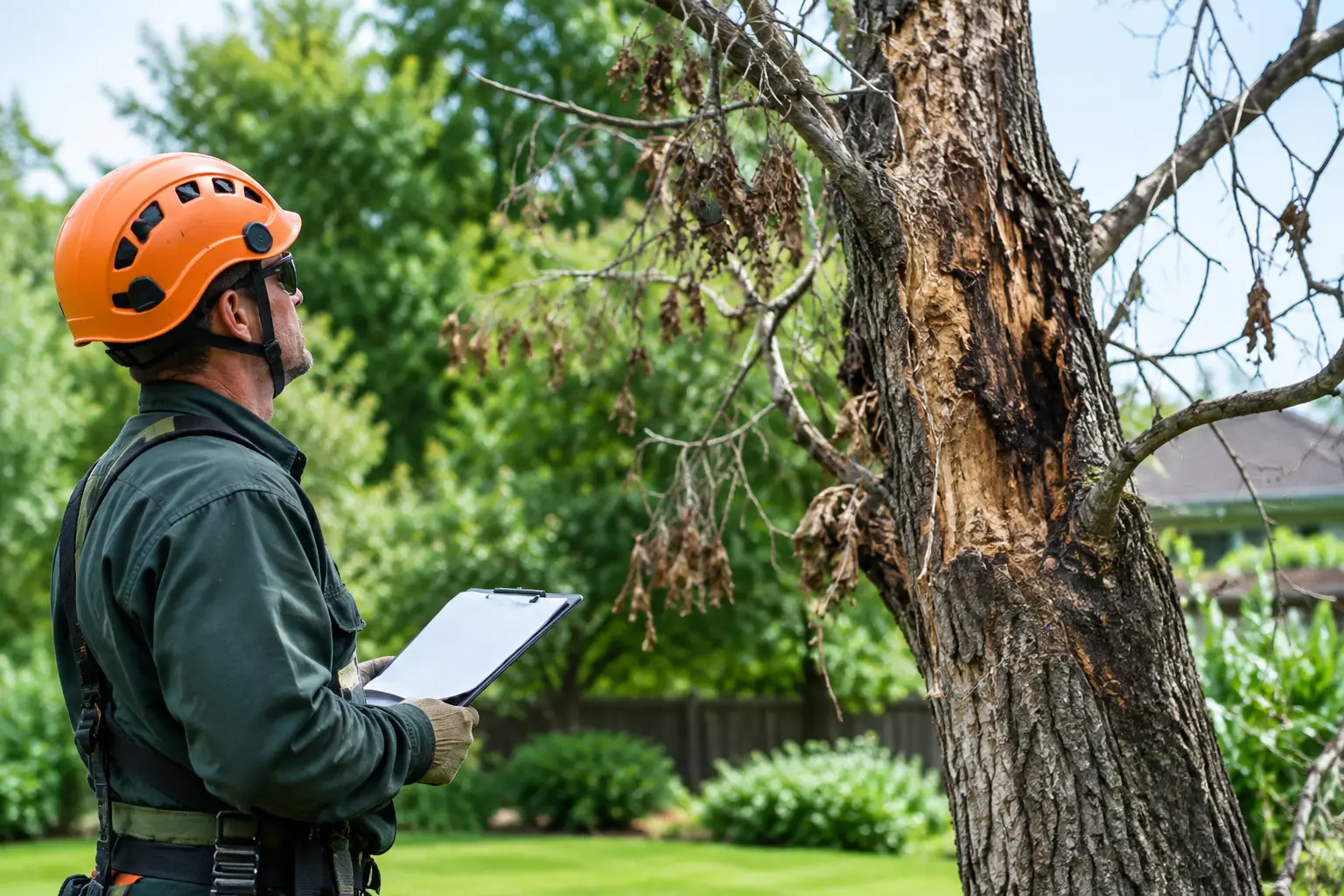
A tree can look green and still be unsafe. In South Louisiana, where heavy rain, humidity, wind, and storm seasons put extra pressure on mature trees, knowing when to remove diseased trees can protect your home, driveway, fence, and family before a weakened limb or trunk fails.
Disease does not always mean a tree must come down immediately. Some problems can be managed with proper pruning, improved growing conditions, or ongoing monitoring. But once disease has damaged a tree’s structure, spread through critical roots, or created a realistic risk of falling, removal is often the safer and more responsible choice.
The right decision depends on the type of disease, the tree species, its location, and how much sound wood remains. A small ornamental tree in an open corner of the yard presents a different level of risk than a large oak leaning over a roof or children’s play area.
Removal should be considered promptly when a diseased tree has a high chance of failing and could strike people, buildings, vehicles, utility areas, or neighboring property. A professional on-site assessment is the best way to separate a tree that needs treatment from one that has become a hazard.
A hollow trunk is not automatically a reason for removal. Some mature trees can continue standing with an internal cavity if enough healthy wood remains around the outside. The concern is whether decay has weakened the trunk’s load-bearing capacity, especially near the base or at a major branch connection.
Watch for soft, crumbly wood; deep vertical cracks; peeling bark; open cavities; or mushrooms growing from the trunk or root flare. Fungal growth can indicate internal decay, even when the canopy still looks healthy. If the decay is extensive or on the side facing a target such as your house, waiting through another storm season can be a costly gamble.
Dead branches in a tree are common, but their size and location matter. A few small dead twigs may be addressed through precision pruning. Large dead limbs over a roof, driveway, patio, or power-service area require faster attention because they can fall without warning.
Look for branches with no leaves during the growing season, brittle tips, detached bark, or limbs that have already started dropping smaller branches. Disease can move through a canopy unevenly, leaving one major leader weak while the rest of the tree appears normal. Removing the affected limb may preserve the tree, but widespread dieback can signal a deeper trunk, root, or vascular problem.
A lean that has developed recently deserves immediate attention, particularly after saturated ground, high winds, or storm damage. Roots affected by decay may no longer anchor the tree effectively. Signs such as raised soil on one side, cracked ground near the trunk, exposed roots, or a widening gap between roots and soil can indicate movement.
Do not try to pull a leaning tree upright or cut major roots to make mowing easier. Those actions can increase instability. Keep people and vehicles out of the fall zone and arrange for a qualified tree care crew to evaluate it.
Root disease is difficult for homeowners to see because much of the damage happens below ground. The symptoms may show up above ground as thinning leaves, undersized new growth, early leaf drop, branch dieback, or a canopy that looks sparse compared with nearby trees of the same type.
When root decay is advanced, pruning the canopy will not solve the underlying problem. A tree may retain leaves while its anchoring system continues to weaken. This is one of the situations where removal can be recommended even if the tree is not completely dead.
A diseased tree should be inspected soon if it is close to anything valuable or frequently used. The urgency increases when multiple warning signs appear at once. For example, a thinning canopy alone may be manageable, but a thinning canopy combined with trunk decay and a lean is a different situation.
Call for professional help quickly if you notice any of the following:
If a tree is touching or threatening a utility line, stay clear and contact the utility provider as appropriate. Never attempt to prune or remove branches near energized lines yourself.
Not every diseased tree should be removed. Early intervention can often reduce stress, improve airflow, remove infected material, and prevent a localized issue from becoming a larger structural concern.
Pruning may be appropriate when disease is limited to a few branches, the trunk and root system remain sound, and the tree has enough healthy canopy to recover. Proper cuts matter. Topping a tree or removing too much live growth at once can create large wounds, stimulate weak regrowth, and increase stress on an already compromised tree.
A professional pruning plan focuses on removing dead, broken, rubbing, or infected limbs while preserving the tree’s natural structure. In some cases, cabling or bracing can help support a structurally weak but otherwise viable limb or trunk union. These systems are not a cure for decay, but they can be a useful part of a carefully evaluated risk-management plan.
The trade-off is ongoing maintenance. A tree with a manageable issue may need seasonal inspections and additional pruning over time. That can be worthwhile for a healthy, well-placed shade tree, but not every tree is a good candidate for preservation. If the cost and risk of repeated treatment outweigh the tree’s condition or location, removal may be the better long-term decision.
Many homeowners wait because the tree still has leaves or because the visible damage seems minor. Unfortunately, disease and decay do not follow a convenient schedule. A tree can deteriorate quietly for years, then fail during a period of saturated soil or strong winds.
Early removal is usually more controlled. A crew can plan the work, use the proper equipment, protect surrounding landscaping, and lower sections safely around structures. Once a tree falls onto a roof, fence, vehicle, or neighboring property, the work becomes emergency damage response rather than planned tree care.
Waiting can also allow certain diseases or pests to spread to nearby susceptible trees. While removal is not always the answer to disease management, removing severely affected material can reduce a source of infection in the landscape.
A reliable assessment considers more than whether a tree looks unhealthy from the street. Arboriculture professionals examine canopy condition, trunk defects, branch attachments, root flare, soil conditions, previous pruning wounds, fungal activity, and the distance to nearby targets.
They also consider what could happen if a branch or the entire tree fails. A small decayed tree in an open area may be low risk. The same tree over a bedroom, sidewalk, gate, or busy driveway may need prompt removal. This target-based approach helps homeowners make a practical decision without removing every imperfect tree in the yard.
At Apex Tree Care, the goal is safe, efficient removal when a tree cannot be responsibly preserved, along with precision pruning when targeted care is the better option. The work should include a clear recommendation, strict safety measures, and complete debris cleanup so your yard is usable when the job is finished.
Once a diseased tree is removed, the stump deserves consideration. Leaving it may be acceptable in a natural area, but a stump in a lawn can interfere with mowing, attract insects, and limit your options for replanting. Stump grinding creates a cleaner, more usable area and helps restore the appearance of the landscape.
If you plan to plant another tree, avoid placing the new tree directly into the old stump location. The remaining roots, compacted soil, and possible disease concerns can make establishment harder. A nearby location with good drainage, enough mature spacing, and a species suited to Acadiana conditions gives the new tree a better start.
A diseased tree is not always an emergency, but it should never be ignored. If you are seeing decay, dieback, movement, or large dead limbs near your home, a timely assessment can turn an uncertain situation into a clear, safer plan for your property.
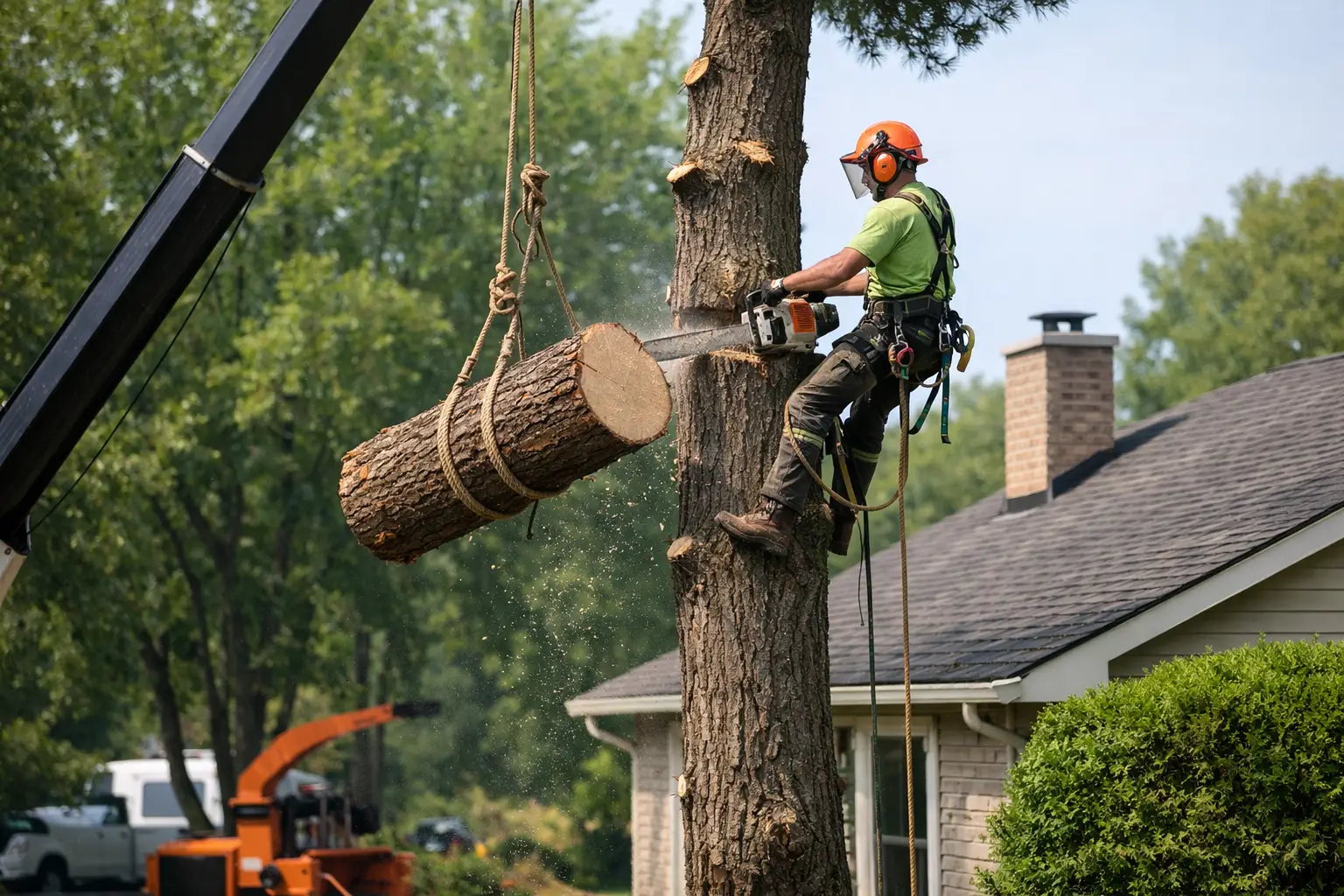
Safe tree dismantling techniques protect your Lafayette property from falling limbs, roof damage, and mistakes. Know when to call a professional crew.
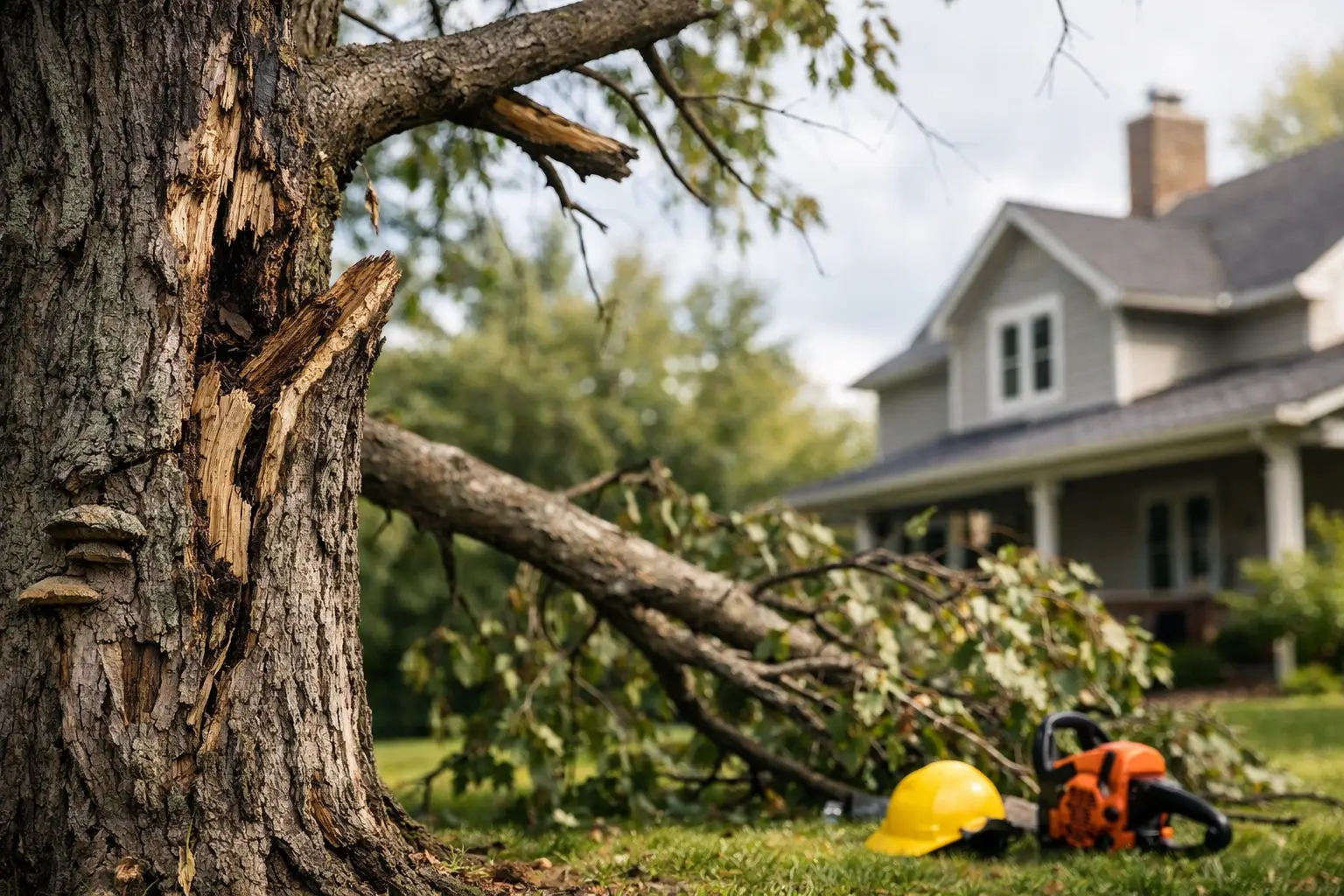
Learn the signs of a hazardous tree, what raises risk in Louisiana weather, and when to call a professional for a safe property assessment near you n…
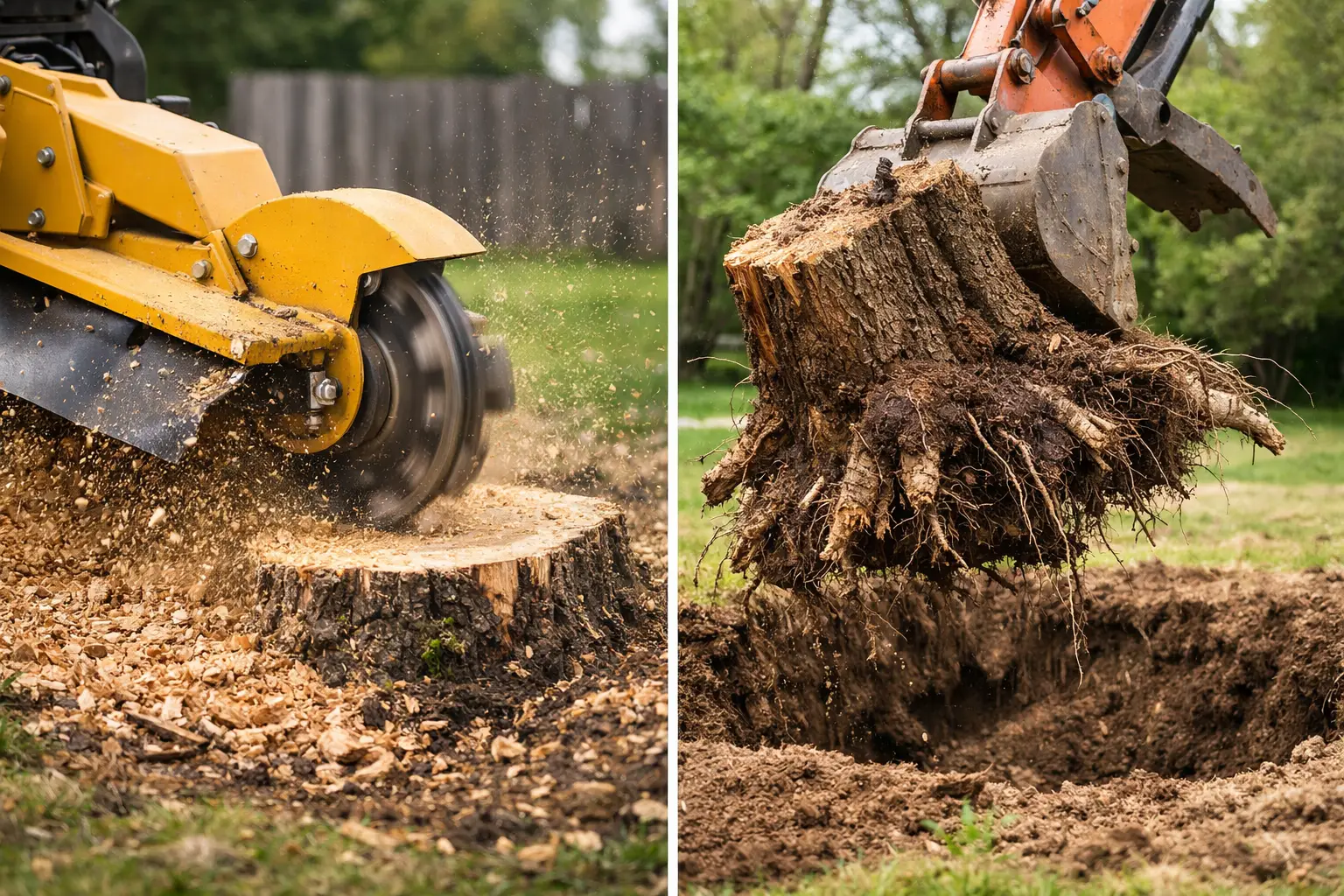
Compare stump grinding versus stump removal to choose the right solution for your Lafayette yard, budget, drainage, landscaping, and future plans wis…
Tell us about your trees and we'll get back to you, usually the same day.
“They were prompt for the actual survey and gave a fair estimate. Crew showed up and did the job ahead of planned date and did an amazing job.”
Loading the quote form…
Form not showing? Open the quote form or call (337) 568-2739.
Get a free, no-obligation estimate from Lafayette's locally owned tree service.